



Pull to refresh
Logo
Lilly's Omvoh meets primary endpoint in pediatric ulcerative colitis trial

Lilly's Omvoh meets primary endpoint in pediatric ulcerative colitis trial

New Capabilities

Half of child responders in one-year Phase 3 remission; Lilly plans a pediatric filing as shares hit a record

Overview

Updated Oct 25

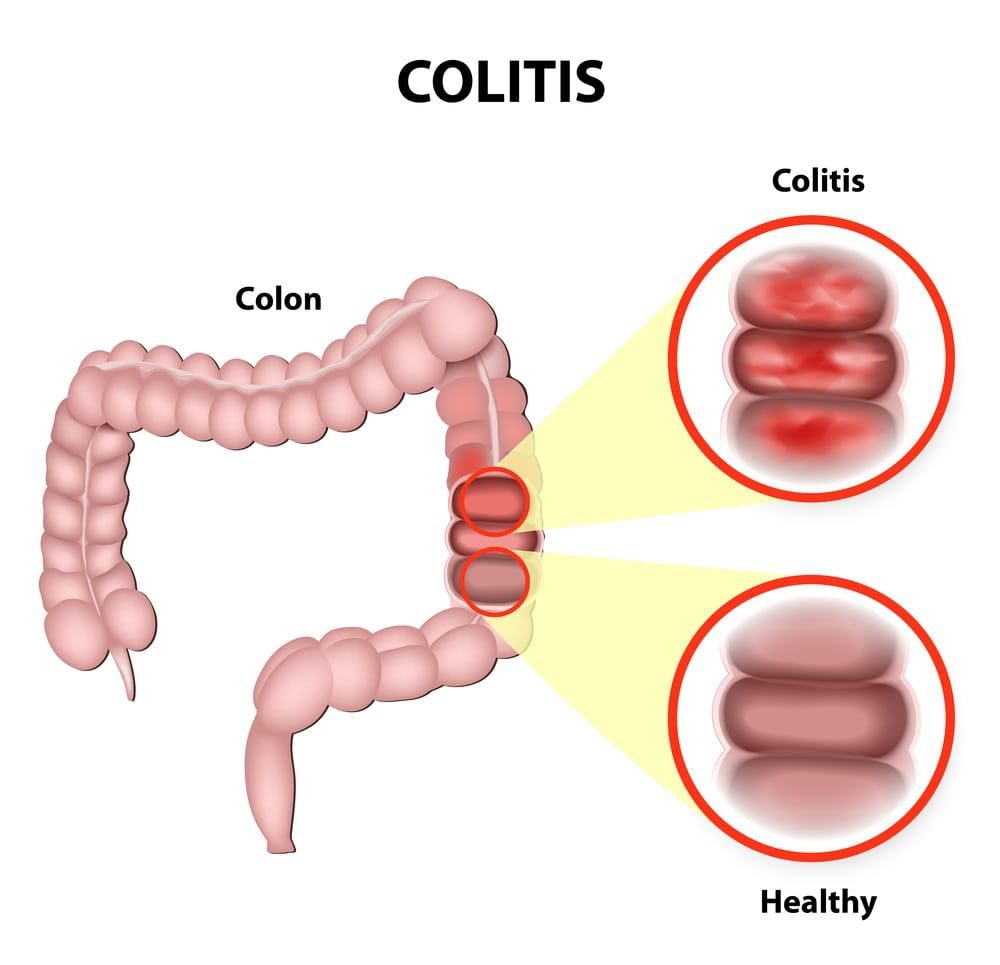
Half of the children who responded to Eli Lilly's Omvoh stayed in remission at one year, the first one-year Phase 3 result for an IL-23 inhibitor in pediatric ulcerative colitis. Among 52 week-12 responders aged 6 to 17, half were in clinical remission at week 52 and half were steroid-free and surgery-free, Lilly reported on October 19 at UEG Week 2026.

The 50% rate is close to the 50.7% Lilly reported for adults on Omvoh in its LUCENT-2 trial, and the company plans to file the data for a pediatric label. Omvoh, already approved for adults, made $182 million in global sales in the first half of 2026. Lilly shares rose above $1,300 in the next session.

Why it matters

If approved, Omvoh would give children with ulcerative colitis a first-in-class IL-23 option, currently adult-only, potentially reducing steroid use and surgery.

Questions about this story

Free account needed to ask — your question is kept and asked for you right after sign-up. Answers are public.

No questions yet — be the first to ask.

Key Indicators

50%
Clinical remission at week 52 among week-12 responders
Primary endpoint met; Lilly calls the 50.7% adult rate in LUCENT-2 a descriptive comparison, not a head-to-head.
81%
Clinical response to induction at week 12
In a study where 54% of patients had already failed a biologic.
41.3%
Clinical remission at week 12, versus 14.6% on adult placebo
HCPLive reported the pediatric week-12 rate against the historical adult placebo rate from Lilly's adult study.
50%
Corticosteroid-free clinical remission without surgery at week 52
Among week-12 responders, per the SHINE-2 one-year results.
44.2%
Endoscopic remission at week 52
Among week-12 responders, per the endoscopic subscore of 0.
54%
Patients with prior biologic failure
Roughly half the cohort had exhausted advanced therapy.
63
Patients enrolled in SHINE-2
Ages 4 to 17 with moderately to severely active ulcerative colitis.
$182M
Omvoh global sales, first half of 2026
Figure cited by pharmaphorum; a pediatric label would extend the franchise into a new patient group.
25,000
US children who could be candidates, per pharmaphorum
The publication estimated Omvoh could be an option for around 25,000 children in the US alone.

Voices

Curated perspectives — historical figures and your fellow readers.

Sign up to generate historical perspectives on this story.

Organizations Involved

Timeline

2 events Latest: October 20th, 2026 · 3 weeks ago
  1. Lilly shares hit record high after pediatric data

    Latest Market Reaction

    Lilly stock rose more than 5% to $1,309.39, a record high, in the session after the SHINE-2 release, GMT Eight reported.

  2. SHINE-2 one-year results presented at UEG Week 2026

    Clinical Data

    Among 52 week-12 responders ages 6 to 17, 50% reached clinical remission at week 52, meeting the primary endpoint against an adult-derived benchmark.

Scenarios

1

FDA approves Omvoh for pediatric ulcerative colitis

Likely Resolves by Q2 2028

Discussed by: Eli Lilly in its investor release; industry analysts following the UEG Week presentation

Lilly submits SHINE-2 data to the FDA and European Medicines Agency. The 50% remission rate matching adults, plus a clean safety profile, supports a standard priority-review timeline of roughly 10 to 12 months. Approval would make Omvoh the first IL-23p19 inhibitor indicated for pediatric UC.

2

Regulators request additional pediatric data before approval

Possible Resolves by Q2 2028

Discussed by: Physician commentary at UEG Week; regulatory-watch analysts

The single-arm, open-label SHINE-2 design lacks a placebo control, so the FDA may ask for longer-term safety follow-up or additional enrollment before granting a pediatric label. A complete response letter would delay the expansion, not necessarily kill it.

3

Long-term extension confirms remission holds past one year

Likely Resolves by End of 2028

Discussed by: Lilly's ongoing study program; pediatric IBD investigators

The long-term extension study (NCT04844606) tracks durability of response beyond week 52. If remission holds at two years with no new safety signals, it strengthens the case for pediatric labeling and for broader use in children who have failed biologics.

Historical Context

2 moments from history that rhyme with this story — and how they unfolded.

May 2006

Infliximab becomes first biologic approved for pediatric Crohn's (2006)

The FDA approved infliximab (Remicade) for children with Crohn's disease, eight years after adults first received it in 1998. It was the first biologic cleared for any pediatric inflammatory bowel disease, used in patients who had failed conventional therapy.

Then

Clinics gained a non-surgical option for severe pediatric Crohn's; dosing had to be adjusted for children's weights and growth.

Now

Set the template for pediatric IBD evidence: small open-label studies following adult efficacy data, with approvals arriving years after the adult indication.

Why this matters now

Omvoh follows the same adult-first path, but SHINE-2 produced one-year randomized-grade data early enough to narrow the usual multi-year lag between adult and pediatric approvals.

September 2011

FDA approves infliximab for pediatric ulcerative colitis (2011)

Six years after its adult ulcerative colitis approval, infliximab was cleared for children with moderately to severely active UC who had not responded to conventional therapy. The decision rested on a relatively small pediatric study.

Then

Gave pediatric gastroenterologists a second-line biologic for UC and reduced colectomy rates in responders.

Now

Demonstrated that pediatric efficacy could mirror adult results, encouraging drugmakers to plan pediatric trials earlier in a molecule's life.

Why this matters now

It is the closest precedent to what Lilly seeks: a class-leading biologic extended from adults to children with ulcerative colitis, where the medical need is severe and options are thin.

Sources

(7)