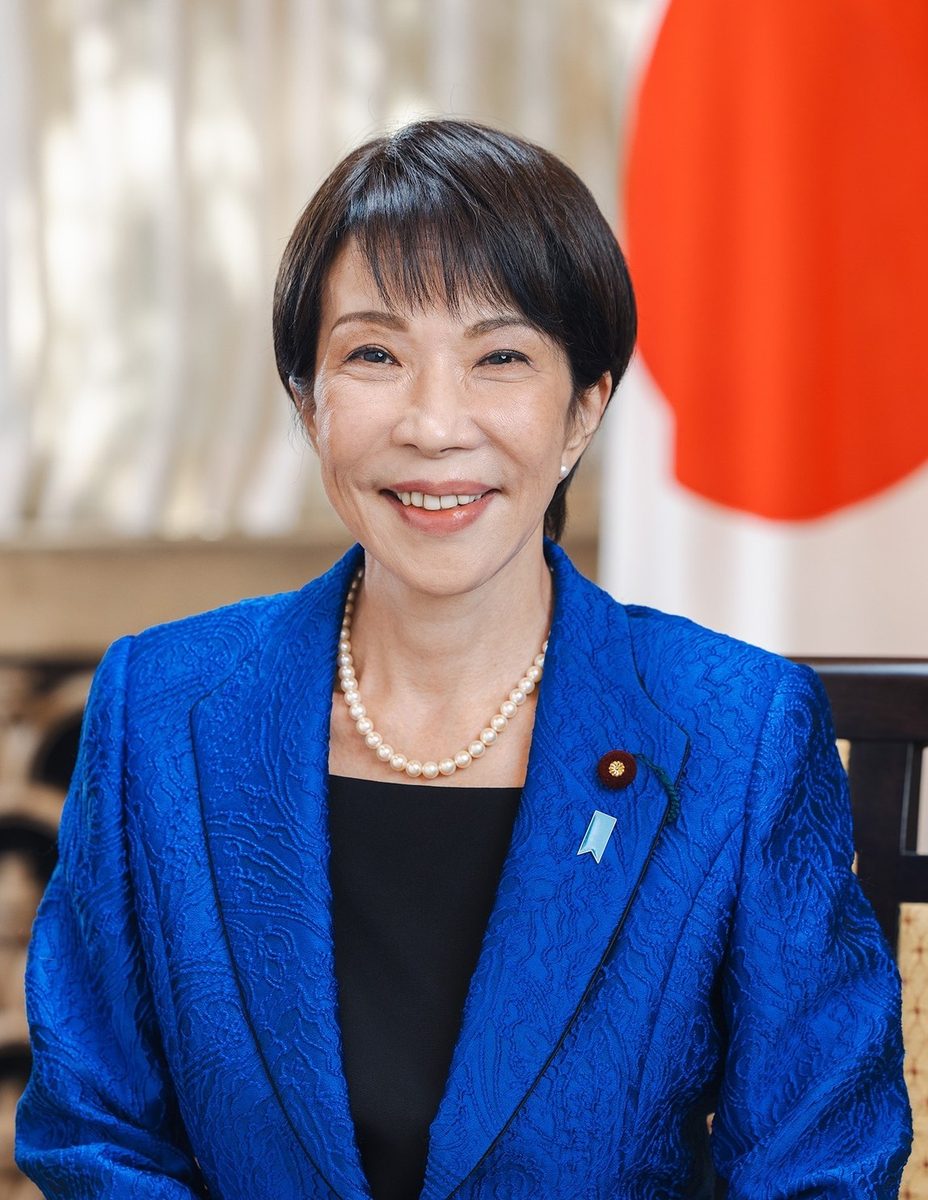
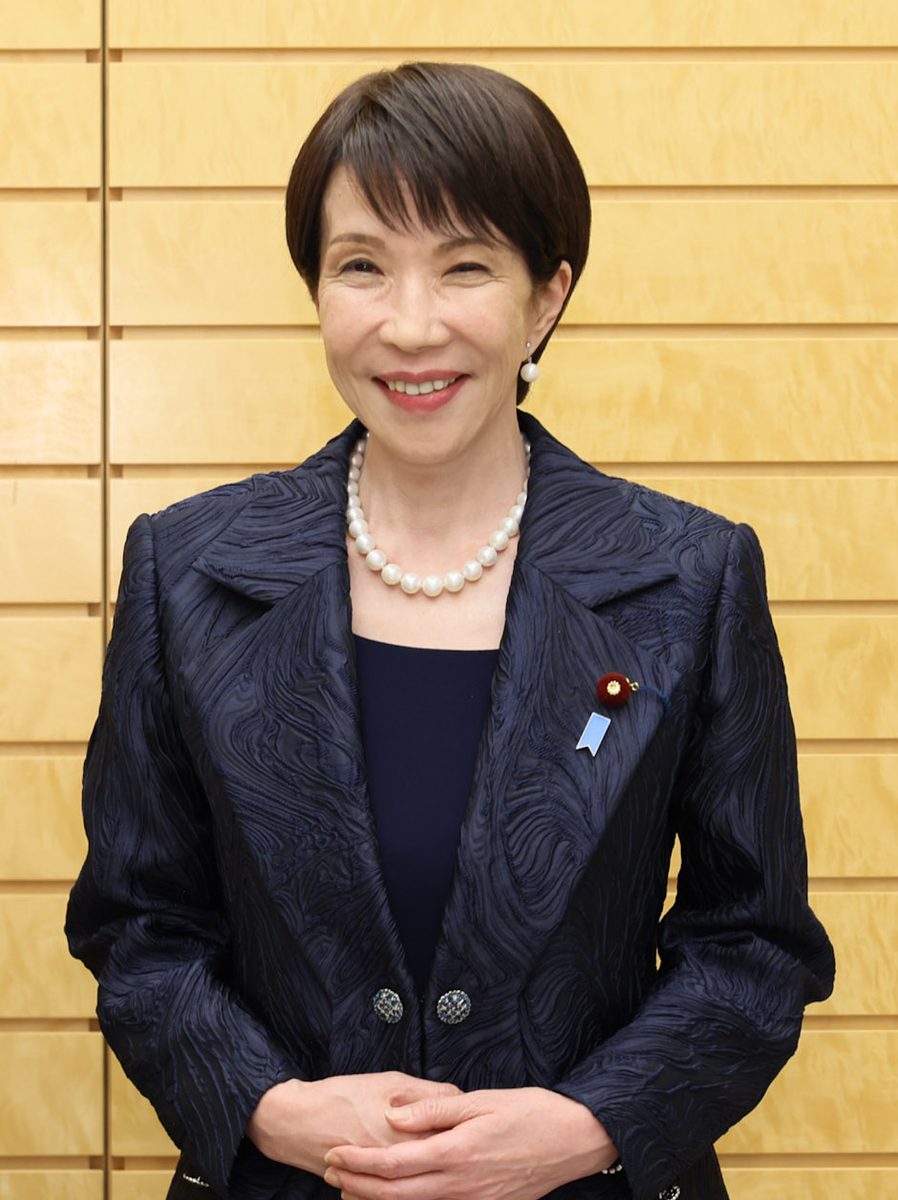
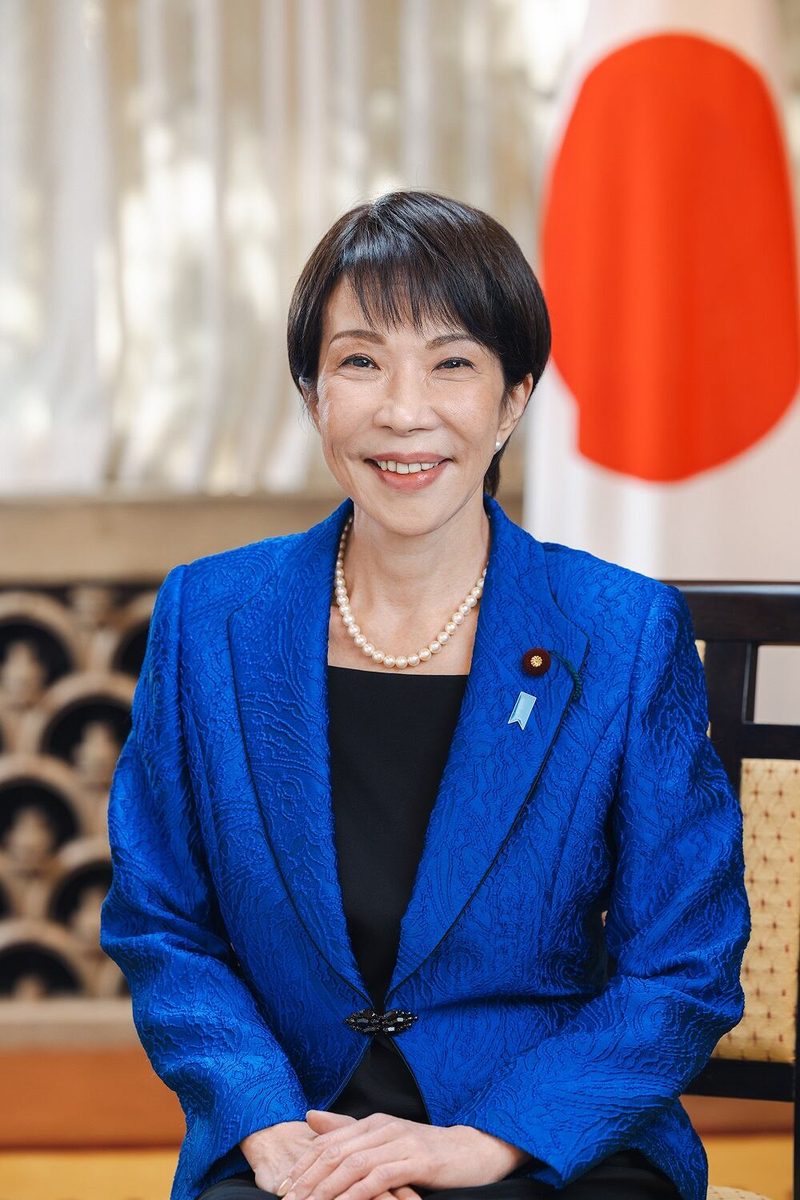
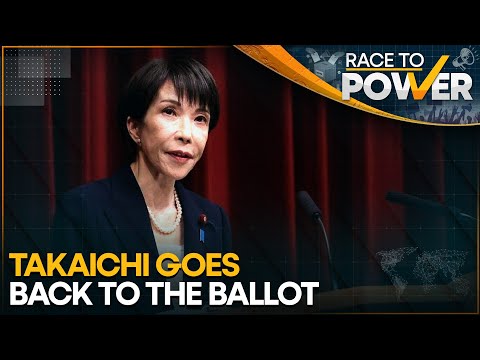
Prime Minister Sanae Takaichi's Liberal Democratic Party called a snap election on January 19, 2026. Parliament dissolved on January 23 for a record-short 16-day campaign ending February 8.
Takaichi's personal approval ratings of 60-78% overcame the party's pre-election scandals with pledges of fiscal stimulus, two-year food tax suspension, and tough China policy. Official results on February 9 confirmed the LDP's postwar-record 316 seats alone, surpassing the 2009 DPJ high. It secured a two-thirds supermajority without requiring a full coalition.
The Centrist Reform Alliance (CRA) collapsed, losing over two-thirds of its seats, prompting co-leaders Yoshihiko Noda and Tetsuo Saito to resign on February 9. This validates Takaichi's gamble, enabling swift constitutional reforms, defense buildup, and economic policies amid market highs and international congratulations.
Questions about this story
Free account needed to ask — your question is kept and asked for you right after sign-up. Answers are public.
24 events
Latest: February 9th, 2026 · 7 months ago
Showing 8 of 24
JK to step
Tap a bar to jump to that date
Jump to
February 2026
Official Results Certify LDP Postwar-Record Supermajority
LatestElection
Final certification confirms LDP wins 316 seats alone (postwar record), coalition 352 total. Takaichi vows to pursue tax cuts, defense, and constitutional reforms; markets hit peaks.
CRA Co-Leaders Noda and Saito Resign After Crushing Defeat
Political
Centrist Reform Alliance co-leaders announce resignations, calling results 'disastrous'; party to elect new leader by February 14 ahead of Diet session.
LDP Landslide Victory Secures Supermajority
Election
LDP wins 274-328 seats alone, second-best in history; coalition with JIP reaches 302-366 for two-thirds majority. CRA loses over half its seats amid voter rejection.
Takaichi Clarifies Controversial Yen Remarks
Political
After stating at a January 31 campaign rally that the weak yen is 'a major opportunity' for export industries, Takaichi clarified on social media that she 'did not say that a strong yen is good or that a weak yen is bad.' The remarks created tension with her finance ministry's simultaneous threats of currency intervention to support the yen.
January 2026
Takaichi Praises Weak Yen Benefits at Campaign Rally
Political
At a Kanagawa Prefecture rally for LDP candidate Daishiro Yamagiwa, Takaichi stated that 'for export industries, [the weak yen is] a major opportunity,' noting it helped buffer US tariff impacts. The remarks contradicted her government's official stance on currency intervention.
Early Polls Show LDP on Track to Expand Majority
Political
Bloomberg and Yomiuri polling shows LDP leading in 129 of 285 single-seat constituencies, positioned to win ~200 seats total. CRA leads in only 8 of 200 head-to-head races against LDP. Analysts note this is 'most unpredictable election in years' due to gap between Takaichi's personal popularity (60%+) and party support (35%).
Nikkei Poll Projects LDP Single-Party Majority
Political
Joint Nikkei-Yomiuri poll conducted January 27-28 shows LDP could win majority of 465 seats alone, up from 198 currently held. LDP leads in nearly 40% of single-seat districts, though over 150 races remain tight.
Official Campaign Period Begins
Political
Over 1,200 candidates begin 12-day campaign for 465 lower house seats in Japan's shortest postwar election. Takaichi campaigns alongside Ishin leader Yoshimura, reiterating pledge to resign if coalition loses majority.
Multiple Polls Show Takaichi Approval Declining
Political
Takaichi's approval ratings slip below 70% for first time since taking office, with Kyodo showing 63% (from 68%), Nikkei 67% (from 75%), and Mainichi 57%. LDP party support holds at 29.2% in Kyodo proportional vote, while Centrist Reform Alliance trails at 11.9%.
Parties Begin Weekend Campaign Activities
Political
Political parties gear up for the election on the first weekend after dissolution, with the official campaign period set to begin January 27.
Takaichi Confirms Parliament Dissolution for Snap Election
Political
Prime Minister Takaichi announces she will dissolve the lower house January 23, with elections set for February 8.
LDP Releases Election Manifesto
Political
The Liberal Democratic Party releases its election platform pledging stable rare earths supply amid reported Chinese export restrictions, alongside Takaichi's promised two-year zero consumption tax on food.
CRA Confirms 144 CDP Legislators Joining Alliance
Political
The Centrist Reform Alliance announces that 144 of the Constitutional Democratic Party's 148 House of Representatives legislators will participate in the new party.
Opposition Releases Election Platforms
Political
The Centrist Reform Alliance releases its basic policies supporting social security, inclusive society, and realistic defense policy including tolerance for restarting safe nuclear reactors. The DPP proposes issuing ¥5 trillion in education bonds annually and cutting consumption tax to 5%.
Takaichi Announces Two-Year Zero Food Tax
Economic
Prime Minister Takaichi unveils plan to reduce consumption tax rate on food to zero for two years, costing an estimated ¥5 trillion annually, to be funded without deficit bonds.
CDP and Komeito Form Centrist Reform Alliance
Political
Japan's largest opposition party merges with the LDP's former coalition partner, creating a 172-seat bloc to challenge Takaichi.
December 2025
Cabinet Approves Record ¥122.3 Trillion Budget
Economic
Takaichi's cabinet passes Japan's largest-ever initial budget, including increased defense spending and social programs.
November 2025
Takaichi Declares Japan Could Defend Taiwan
Foreign Policy
In a Diet speech, Takaichi states Japan could exercise collective self-defense if China attacks Taiwan, ending Japan's strategic ambiguity.
October 2025
Takaichi Sworn In as Japan's First Female Prime Minister
Political
Emperor Naruhito formally appoints Takaichi as Japan's 104th prime minister following her election by the National Diet.
LDP and Japan Innovation Party Sign Coalition Agreement
Political
Takaichi secures a confidence-and-supply arrangement with Nippon Ishin no Kai, ensuring her election as prime minister.
Komeito Ends 26-Year Coalition with LDP
Political
Citing inadequate political funding reform and discomfort with Takaichi's appointment of scandal-linked politicians, Komeito withdraws from the ruling coalition.
Takaichi Wins LDP Leadership Election
Political
Sanae Takaichi defeats Shinjiro Koizumi 185-156 in a runoff vote, becoming the first woman to lead the LDP.
September 2025
PM Ishiba Announces Resignation
Political
Facing mounting pressure after consecutive electoral defeats, Prime Minister Shigeru Ishiba announces he will step down as LDP leader.
July 2025
LDP-Komeito Coalition Loses Upper House Majority
Election
The ruling coalition loses its majority in the House of Councillors election, intensifying pressure on Prime Minister Ishiba.
Scenarios
1
LDP Wins Expanded Majority, Takaichi Consolidates Power
Takaichi's personal popularity overwhelms the opposition's organizational challenge. The LDP gains seats beyond its current position, potentially approaching 260 or more, giving her a stable majority without depending on Ishin's cooperation. This outcome would validate her aggressive fiscal and defense policies and likely accelerate constitutional revision efforts. The yen would face further pressure as markets price in continued expansionary policy.
2
Narrow LDP Victory, Fragile Coalition Continues
Likely
Discussed by: Oxford Economics analysts, CSIS Japan experts, Japan Times commentary
The LDP-Ishin coalition barely holds or slightly improves its position, retaining a slim majority. Takaichi remains prime minister but must continue managing a difficult partnership with Ishin while facing an energized opposition. Policy implementation becomes slower, and the government remains vulnerable to defections or by-election losses.
3
Opposition Upset, Noda Returns to Power
Unlikely
Discussed by: Some CDP strategists, skeptical foreign analysts noting low LDP party support
The gap between Takaichi's personal approval and LDP party support proves fatal. Combined with Komeito's ground organization now working against the LDP rather than for it, the Centrist Reform Alliance wins enough seats to form a government with smaller parties. Former PM Noda returns to office, likely moderating Japan's China stance while continuing defense modernization at a slower pace.
4
Hung Parliament, Extended Political Instability
Possible
Discussed by: East Asia Forum analysts, political scientists studying coalition fragility
Neither bloc wins a clear majority, producing Japan's first true hung parliament since the 1990s. Complex coalition negotiations follow, potentially involving the Democratic Party for the People or other smaller parties. Government formation takes weeks, markets react negatively, and policy paralysis delays the budget and defense legislation.
5
DPP Becomes Kingmaker in Balanced Parliament
Possible
Discussed by: CSIS analysts, Japan Times political commentators noting DPP's quadrupled representation
Neither the LDP-Ishin coalition nor the Centrist Reform Alliance wins a clear majority, leaving the Democratic Party for the People's 28+ seats as the decisive bloc. DPP leader Yuichiro Tamaki extracts major concessions—likely his consumption tax cut and education bonds—in exchange for confidence and supply. This outcome would empower younger voters' economic priorities over traditional security and diplomatic concerns.
6
LDP Supermajority Accelerates Reforms
Likely
Discussed by: NHK/Nikkei exit polls, LDP Secretary General Shunichi Suzuki
Takaichi's mandate enables swift constitutional revision, defense buildup, and fiscal expansion without coalition constraints. Markets anticipate 'Takaichi Trade' with yen weakness and stimulus-driven growth.
Historical Context
3 moments from history that rhyme with this story — and how they unfolded.
1 of 3
May 1979
Thatcher's 1979 Victory (UK)
Margaret Thatcher became Britain's first female prime minister, leading the Conservatives to a 43-seat majority after the Labour government's "Winter of Discontent" strikes. The election centered on economic management rather than her gender.
Then
Thatcher immediately implemented monetarist economic policies and confronted trade unions.
Now
She won three consecutive elections, governing for 11 years and fundamentally reshaping British politics and economics. Her success opened doors for women leaders globally.
Why this matters now
Takaichi explicitly models herself on Thatcher. Both combined conservative social views with aggressive economic reform and a confrontational foreign policy posture. Takaichi's first electoral test will determine whether she can similarly translate personal popularity into durable political power.
2 of 3
September 2005
Koizumi's Postal Privatization Election (2005)
Prime Minister Junichiro Koizumi dissolved parliament after upper house rebels in his own party voted down postal privatization legislation. He expelled the rebels, ran reform candidates against them, and framed the election as a referendum on his signature policy.
Then
The LDP won 296 seats—its largest share since World War II—giving Koizumi a supermajority. Postal privatization passed six weeks later.
Now
Established the template for Japanese prime ministers using snap elections to consolidate power. Koizumi's approach—personalizing the election and marginalizing internal opponents—reshaped LDP politics.
Why this matters now
Takaichi is attempting a similar strategy: capitalizing on high personal approval to overcome party weakness. Unlike Koizumi, she faces a united opposition rather than a divided one, and her party has already lost its coalition partner rather than controlling the timing of the break.
3 of 3
June-December 2012
Noda's Consumption Tax Gamble (2012)
Prime Minister Yoshihiko Noda staked his political career on raising Japan's consumption tax from 5% to 10%. The legislation passed with LDP support, but 72 members of his own Democratic Party rebelled, with 50 leaving to form a new party.
Then
Noda dissolved parliament in November 2012. His party collapsed from 308 seats to 57 in the ensuing election.
Now
The DPJ never recovered. The consumption tax increase eventually took effect under Abe in 2014 and 2019, but Noda's party paid the political price.
Why this matters now
The same Yoshihiko Noda now leads the opposition alliance challenging Takaichi. He understands the risks of early elections and unpopular fiscal policies. Takaichi is proposing to suspend food taxes—the opposite of Noda's 2012 approach—betting that fiscal expansion rather than austerity will win votes.