
West Germany's Rearmament and NATO Entry (1955)
A decade after its unconditional surrender, West Germany was permitted to rearm and join the North Atlantic Treaty Organization (NATO), reversing the Allied policy of demilitarization. The Paris Agreements of October 1954 ended the occupation regime, and the Bundeswehr was formally established in November 1955 with an initial force of 101 volunteers. The decision was driven by Cold War imperatives—the Korean War had demonstrated that Western Europe needed more conventional military power to deter the Soviet Union.
West Germany began building a military force that eventually reached 495,000 personnel, becoming NATO's largest European conventional force. Domestic opposition was significant—polls showed a majority of West Germans initially opposed rearmament.
Germany's military remained tightly integrated into multinational command structures, preventing unilateral force projection and embedding German power within an alliance framework. This model of constrained rearmament within alliance structures is the closest historical precedent to Japan's current path.
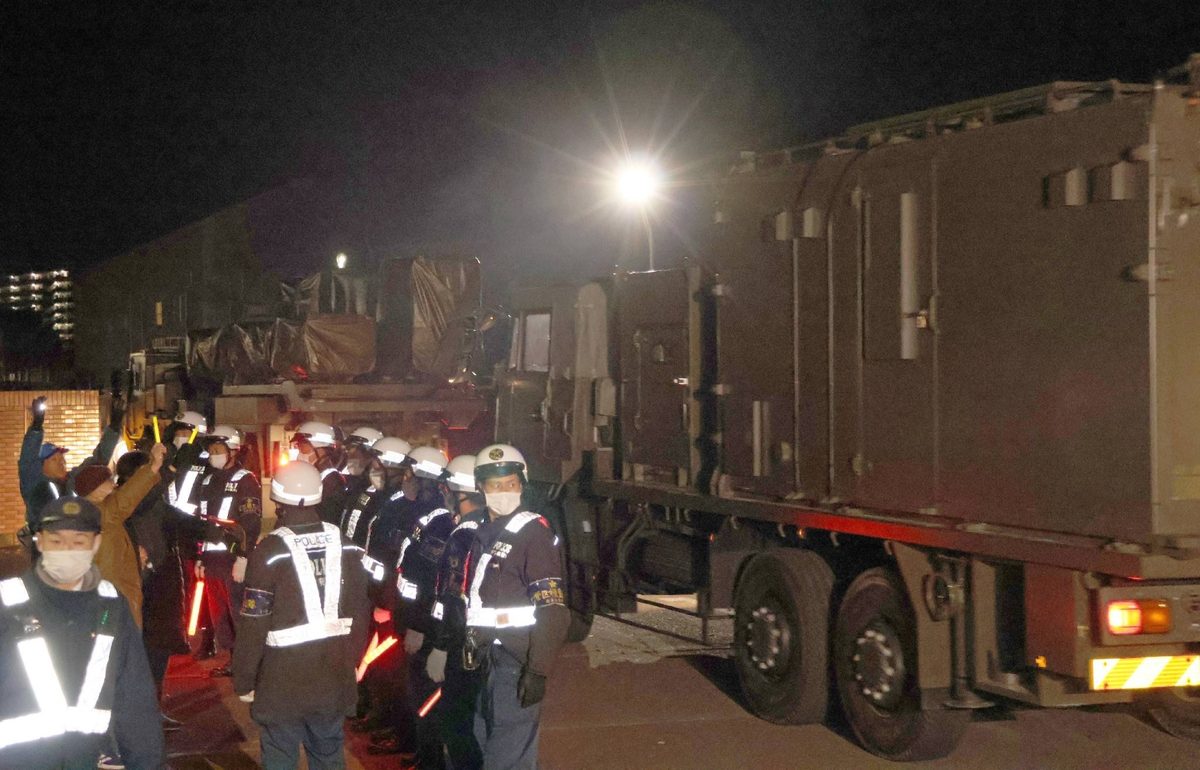
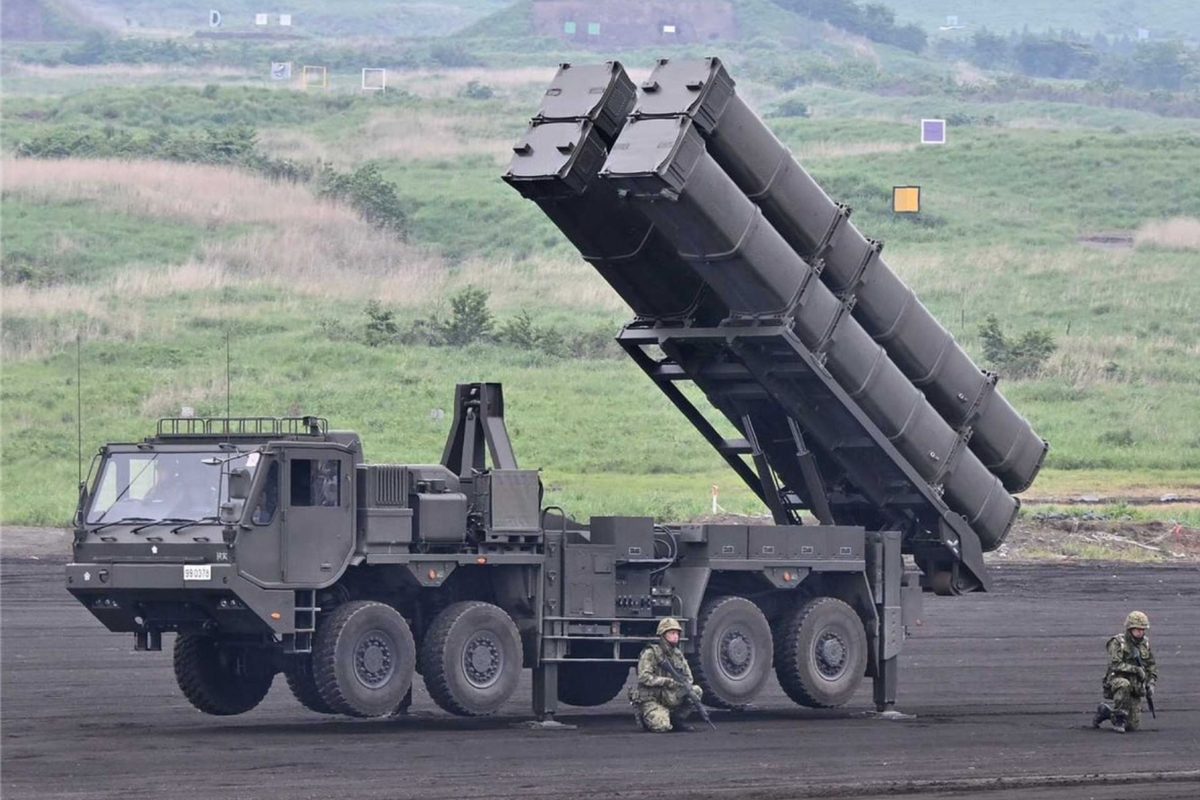
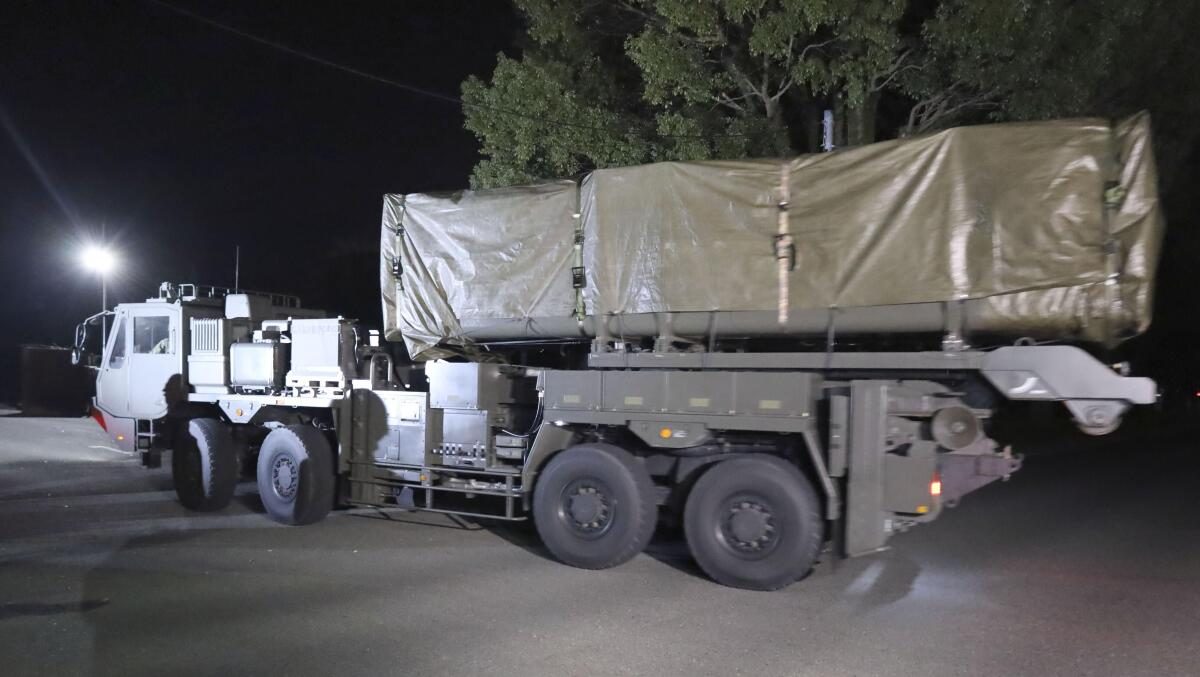
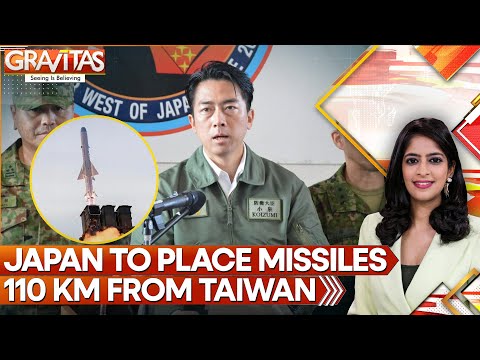
Japan faces a structurally similar challenge: rebuilding offensive military capability eight decades after defeat and disarmament, driven by a perceived threat from a nearby great power, while managing domestic resistance rooted in postwar pacifism. Like West Germany, Japan is building strike capability within an alliance framework (the U.S.-Japan Security Treaty) rather than as an independent military power.