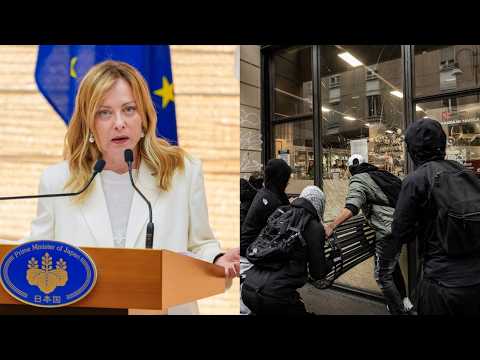
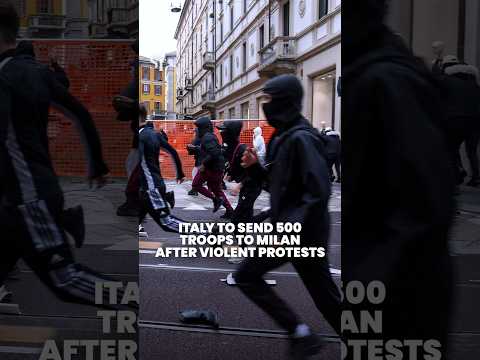
Italy deploys troops and creates new anti-riot crime after cost-of-living protests
Rule Changes
Nine arrests and 371 checks as thousands march in eight cities; Milan stays calm under 500 soldiers and about 5,000 police, and the October 17 Movement's founder is detained
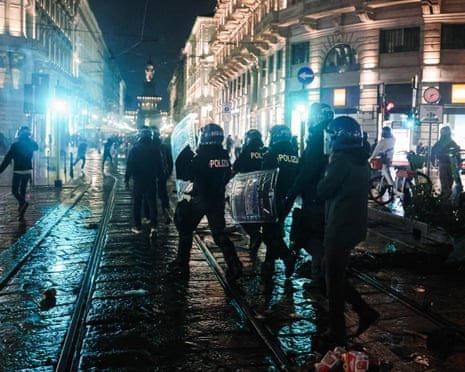
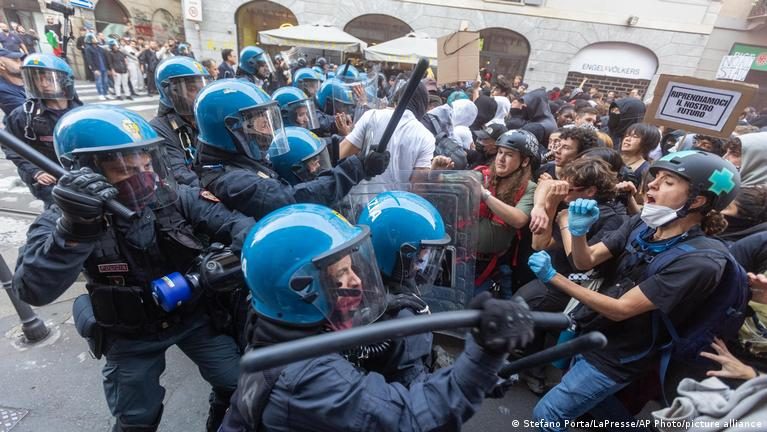
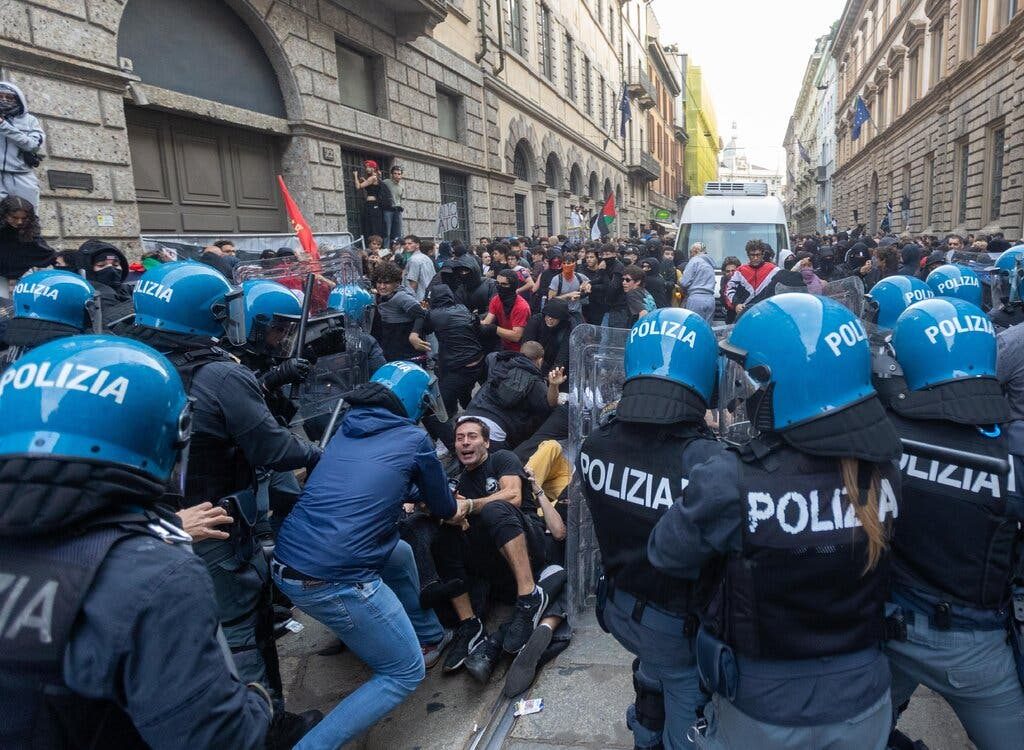
Thousands marched in eight Italian cities on October 24 and Milan stayed calm. Police reported nine arrests nationwide, 87 people referred to authorities and 371 taken in for checks, 110 of them minors.
Clashes broke out in Turin, Rome and Bologna, and police ran another 150 searches in Lombardy the same morning. Milan officers detained Youssef Siher, 30, founder of the October 17 Movement, on suspicion of aggravated incitement. In the south, almost all trucker blockades have lifted since the government offered fuel tax breaks and a fund for farmers and fishermen.
Why it matters
Italy is answering cost-of-living anger with prison terms and troops — a test case for how European governments handle inflation-driven unrest.
Questions about this story
Free account needed to ask — your question is kept and asked for you right after sign-up. Answers are public.
No questions yet — be the first to ask.
Key Indicators
500
Soldiers deployed to Milan
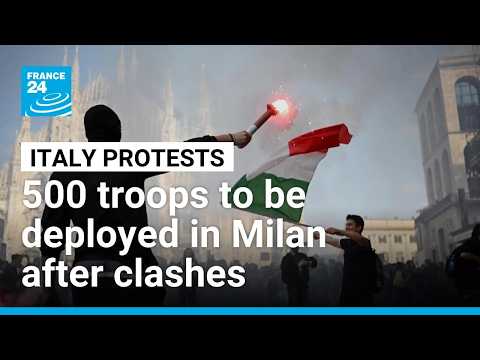
The troops joined hundreds of soldiers already stationed in the city, supporting about 5,000 police, with drone surveillance and checks at railway stations.
5 years
Maximum prison term for violent protest participation
Anyone in a group of at least five who endangers public safety faces up to five years and a fine of up to 20,000 euros; penalties rise if faces are concealed or someone is injured.
€500–1,000
Fine on parents of minors in protest violence
Doubles for repeat cases; parents are also liable for damage their children cause.
$539M
Fuel aid promised to truckers
Transport Minister Matteo Salvini pledged 480 million euros after talks with industry representatives; the government also approved tax breaks and a fund for farmers and fishermen.
€1B
Estimated damage from the weekend looting
Retail association Confcommercio's estimate for damage during the weekend looting, ANSA reported.
271
Young people detained over two days of unrest
Police arrested 45 people over the two days, 34 of them minors, NPR reported on October 25; ANSA said more than 270 were detained and about 80% were minors.
150+
Searches over the Milan looting
Raids ran from Milan and Monza to about 20 other towns, mostly in Lombardy, coordinated by the Digos police unit.
9
Arrests at the October 24 marches
Police said nine people were arrested and 87 reported to authorities across the eight cities.
371
People taken in for checks on October 24
Included 110 minors and 69 foreign nationals, Euronews reported.
15 events
Latest: October 24th, 2026 · 3 weeks ago
Showing 8 of 15
JK to step
Tap a bar to jump to that date
October 2026
Protests called in eight cities under heavy security
LatestProtest
The October 17 Movement called demonstrations in eight cities including Rome, Milan and Turin, saying it would reveal gathering points half an hour before the start. Rome police said they would use drones and helicopters to monitor the marches.
500 soldiers patrol Milan alongside 5,000 police
Security
The troops sent after the October 17 unrest joined about 5,000 police and other law enforcement personnel in Milan, with drone surveillance and checks at railway stations. Mayor Giuseppe Sala backed the deployment and said there was no plan to shut the city.
Most southern trucker blockades lifted
Economic impact
Almost all roadblocks that had paralysed southern Italy were lifted after the government approved tax breaks and a special fund for farmers and fishermen. Seventy-one people were reported to judicial authorities and 242 fined over the blockades.
Marches pass with isolated clashes as nine are arrested nationwide
Protest
Thousands marched in eight cities. Police said nine people were arrested and 87 reported to authorities, with 371 taken in for checks including 110 minors; clashes broke out in Turin, Rome and Bologna while Milan stayed calm.
Police run 150 more searches in Lombardy
Legal
Officers carried out another 150 searches in the northern region on the morning of October 24 over the October 17 looting, Al Jazeera reported, a day after raids on the homes of about 100 suspects.
October 17 Movement founder detained
Legal
Milan police detained Youssef Siher, 30, and placed him under investigation for aggravated incitement to commit a crime, Euronews reported.
Police raid homes over Milan looting; movement founder investigated
Legal
More than 150 searches were carried out from Milan and Monza to about 20 other towns, mostly in Lombardy, as part of the Milan prosecutors' investigation into the October 17 violence. Youssef Siher, 30, founder of the 17 October Movement, was placed under investigation for incitement to commit a criminal offence.
Bari police move against copy-cat looting plan
Legal
Police in the southern province of Bari targeted what they called "a large group of young and very young people" suspected of planning looting, in an operation coordinated by the district anti-mafia directorate and the juvenile prosecutor's office. The suspicions included possession of weapons, ammunition and explosives.
Government adds juvenile detention and benefits proposals
Policy
Justice Minister Carlo Nordio said the government aims to expand juvenile detention facilities after mass arrests of minors in Milan and other cities. Deputy Premier Matteo Salvini said his League party was drafting a proposal to cut all public benefits for "parents who have hooligans living in their homes."
Retailers warn shortages could worsen
Economic impact
Retailers warned on October 21 that shortages of food and other essential goods could worsen as trucker blockades over diesel prices continued.
Cabinet approves sweeping security measures
Policy
Cabinet approves 500 troops for Milan and a new crime of violent participation in a demonstration, carrying up to five years in prison and fines up to 20,000 euros. The decree also fines parents of minors involved in protest violence 500 to 1,000 euros and extends preventive detention to minors aged 14 to 17.
Transport Minister Salvini pledges 480 million euros ($539 million) in fuel funding; President Mattarella prevents soldiers from gaining policing powers.
Pasta maker Garofalo resumes at reduced capacity
Economic impact
The leading pasta producer restarts operations at 40% capacity after halting production Saturday over blocked supply chains.
Riots erupt in Milan and northern cities
Protest
Groups of mostly young people loot shops, smash windows and clash with police in Milan and other northern cities over fuel prices, rents and wages.
Truckers blockade southern Italy
Protest
Truck drivers block roads across the south over diesel prices, disrupting food supply chains; some pasta makers halt production.
Scenarios
1
Renewed violence brings a deeper crackdown
Possible
Resolves by End of 2026
Discussed by: Italian media noting further demonstrations planned for Saturday, October 24
If the new weekend demonstrations turn violent, Meloni's government could extend the troop deployment, expand preventive detention powers, or revisit granting soldiers policing authority despite Mattarella's opposition. The decree was written partly as a deterrent; a repeat of last weekend would likely produce follow-on measures.
2
Fuel aid and talks calm the trucker blockades
Possible
Resolves by End of 2026
Discussed by: Transport Minister Matteo Salvini after meetings with union representatives
The 480 million euros in promised fuel funding, delivered through negotiations with trucker representatives, could unwind the southern blockades and restore supply chains. This outcome would leave the security decree in place but remove the disruption feeding cost-of-living anger.
3
Courts or EU institutions strike down the new law
Unlikely
Resolves by Q2 2027
Discussed by: Legal critics of the decree's detention and prosecution provisions for minors
The new offense of violent protest participation, the extension of preventive detention to teenagers as young as 14, and the presumption that minors over 14 are criminally responsible could face challenges before the Italian Constitutional Court or European institutions over rights grounds. Any ruling would force the government to amend or withdraw elements of the package.
4
Saturday's marches pass without a repeat of the Milan looting
Deadline passed (Oct 25, 2026)
Discussed by: Milan Mayor Giuseppe Sala, who said he was concerned about a repeat of violence
The 500 soldiers and about 5,000 police in Milan were positioned for the October 24 marches, and Sala said there was no plan to shut the city. If the day passes with no looting and no riot arrests, the government's deterrent argument gains ground.
5
Copy-cat looting spreads to southern cities
Unlikely
Resolves by Nov 30, 2026
Discussed by: Bari prosecutors, whose anti-mafia and juvenile units moved against a suspected looting plan on October 23
The Bari operation targeted a group accused of planning destruction and looting, and included suspicions of weapons and explosives. If similar plans surface in other southern cities, the government would face unrest on the turf of its trucker concessions.
6
Prosecutors charge Siher over the October 17 riots
Possible
Resolves by End of 2026
Discussed by: Milan prosecutors, who opened the incitement investigation
Siher was detained on October 24 and is under investigation for aggravated incitement. Formal charges would move the case from police sweeps into court.
Historical Context
3 moments from history that rhyme with this story — and how they unfolded.
1 of 3
November 2018 – 2019
Yellow Vests protests, France (2018-2019)
In November 2018, French protesters wearing yellow hi-vis vests blocked roads nationwide against a fuel tax hike. Weekly Saturday clashes in Paris and elsewhere left hundreds injured and shops burned for months.
Then
The government scrapped the fuel tax increase and offered concessions, but the weekly marches continued for over a year.
Now
The movement became a reference point for cost-of-living protests across Europe and a warning about how sensitive voters are to fuel prices.
Why this matters now
Same trigger — fuel and cost-of-living anger — and the same dilemma for a government: meet it with force, concessions, or both.
2 of 3
January–February 2024
European farmer roadblock protests (2024)
Farmers blocked highways across France, Germany, and other EU countries over diesel prices, low incomes and regulation. Tractor convoys snarled Paris suburbs, ports and border crossings.
Then
Governments offered emergency aid packages and eased some fuel and tax rules; blockades mostly lifted within weeks.
Now
Road-blockade protests became a recurring lever for rural workers facing high input costs across Europe.
Why this matters now
Italy's southern truckers are using the same tactic — blocking roads to force fuel aid — against the same diesel price pressures, and the government's 480-million-euro pledge mirrors the 2024 concessions.
3 of 3
October–November 2005
French suburban riots (2005)
Weeks of riots erupted across French suburbs after two teenagers died fleeing police. Rioters burned thousands of cars and clashed with officers nightly.
Then
France declared a state of emergency, imposed curfews, and deployed police and army reserves to restore order.
Now
The episode became a landmark in European debates over youth unrest and heavy-handed policing; emergency powers were extended after the initial declaration.
Why this matters now
Italy's package — swifter prosecution of teens, fines on their parents, and troop deployment — mirrors France's 2005 approach to youth violence, raising the same questions about whether force addresses the underlying grievances.