
Pull to refresh
Logo
Albania imposes $6,000 fine on protesters who stay at violent gatherings

Albania imposes $6,000 fine on protesters who stay at violent gatherings

Rule Changes

Rama's cabinet approved the measures on October 28; lawyers say the decrees skip the parliament the constitution requires

Overview

Updated Nov 1

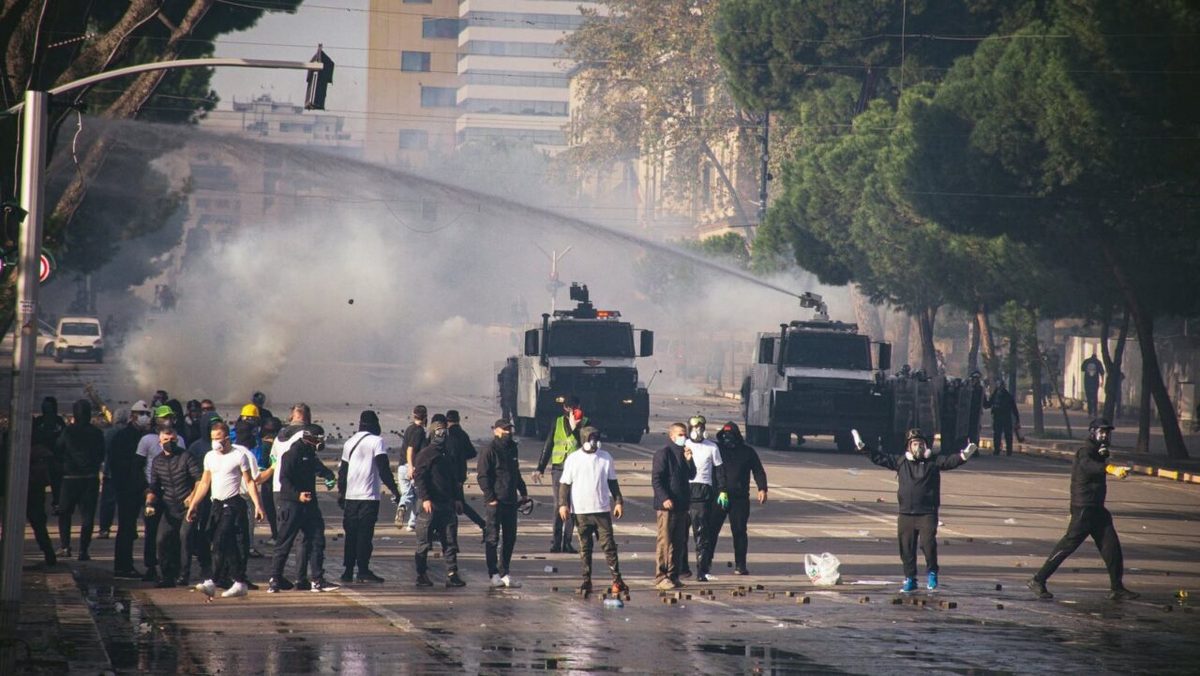
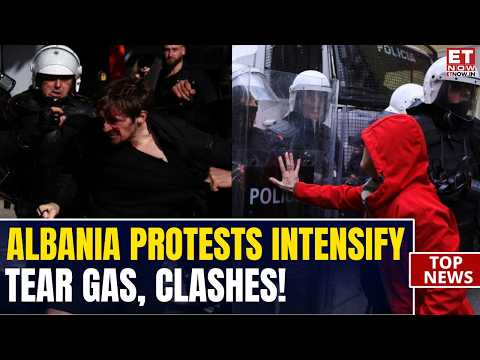
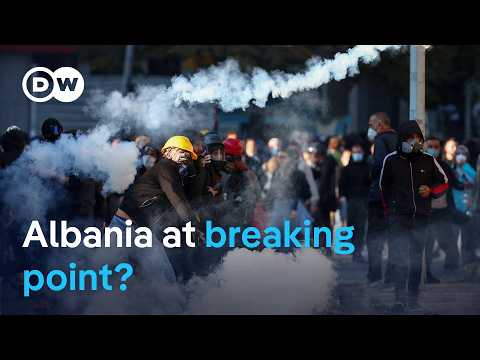
Albania can now fine people up to 500,000 lekë, about $6,000, for staying in a crowd that is committing violence or looting, or for hiding their identity at a protest. Prime Minister Edi Rama's cabinet approved the measures on October 28 as normative acts, which take effect immediately.

The package also lets police ban gatherings for up to 72 hours around schools, hospitals and state institutions, and sets up a fund to compensate businesses damaged in the October 13–22 protests. Parliament has until mid-December to approve or reject the acts. In a Citizens.al analysis on October 30, lawyers Dea Nini and Irena Dule argued the cabinet used emergency powers where no urgency existed, and that the constitution requires assembly limits to come from a law passed by the Assembly.

Why it matters

A protester can be fined ten times Albania's minimum monthly wage for being present when others turn violent, without committing violence.

Questions about this story

Free account needed to ask — your question is kept and asked for you right after sign-up. Answers are public.

No questions yet — be the first to ask.

Key Indicators

$6,000
Maximum fine for staying at a violent protest
500,000 lekë, about €5,500, for remaining in a crowd that turns violent or for concealing your face.
72 hours
Max protest ban near schools, hospitals and state buildings
Police can bar gatherings around educational, health or state institutions for up to 72 hours, renewable once.
45 days
Time for parliament to approve or reject the decrees
Normative acts are law immediately but lapse if the Assembly votes them down. The deadline falls in mid-December.
14M lekë
Turnover cap for protest damage claims
Only businesses with turnover up to 14 million lekë can claim compensation for damage from the October 13–22 protests.

Voices

Curated perspectives — historical figures and your fellow readers.

Sign up to generate historical perspectives on this story.

People Involved

Organizations Involved

Timeline

May 2026 October 2026

5 events Latest: October 30th, 2026 · 1 week ago
Tap a bar to jump to that date
  1. Council of Ministers approves the normative acts

    Policy

    Cabinet passes fines, the violent-protester registry, and 72-hour gathering restrictions.

  2. Rama unveils anti-violence package

    Policy Announcement

    Presents protest registry, gathering restrictions, and fines up to 500,000 lekë.

  3. Movement becomes student-led anti-government wave

    Protest

    Mid-month shift to protests against corruption, health-system failings, and youth prospects.

  4. Peaceful protests begin against Kushner-backed hotel

    Protest

    Rallies start in Tirana against a luxury hotel project in a protected nature reserve.

Scenarios

1

Assembly upholds the protest fines

Likely Resolves by Dec 12, 2026

Discussed by: RTSH (state media) and the government; approval is the baseline given the Socialist majority

Kuvendi votes within 45 days to approve the three normative acts, keeping the fines and the protest registry in force. Enforcement begins at the next large demonstration. The threshold for the fines is low: staying in a crowd after a dispersal order, regardless of personal conduct.

2

Court narrows or strikes down the fines

Possible Resolves by End of 2027

Discussed by: Citizens.al, which cites European Court of Human Rights case law

A legal challenge reaches Albania's Constitutional Court, arguing the fines breach Article 11 of the European Convention on Human Rights on freedom of assembly. ECHR case law holds that peaceful attendees do not lose protest rights when others turn violent. The court could strike down or narrow the measures, or set conditions on how police apply them.

3

Protests persist, fines rarely enforced

Possible Resolves by Q1 2027

Discussed by: The Guardian, reporting the movement is leaderless and ongoing

Parliament approves the measures, but demonstrators keep gathering in large numbers. Police apply fines selectively or not at all during chaotic scenes, and the registry has limited practical effect as the movement continues into 2027. The law exists but changes little on the ground.

4

Organizers billed for damage they did not cause

Possible Resolves by Q1 2027

Discussed by: Lawyer Irena Dule, in a Citizens.al analysis

Under the compensation act, the state pays damaged businesses and then recovers the money from those responsible. Dule says the organizer is made jointly liable without any proof they incited or ordered the violence, so a group can be sued for the whole amount just for calling a protest.

Historical Context

2 moments from history that rhyme with this story — and how they unfolded.

May-June 2013

Gezi Park Protests (2013)

A sit-in against redeveloping Istanbul's Gezi Park grew into a nationwide anti-government movement. Police used tear gas and water cannons, and millions joined demonstrations across Turkey against the government of Recep Tayyip Erdogan.

Then

The protests faded within weeks after a heavy police crackdown.

Now

The movement hardened opposition to Erdogan and reshaped Turkish politics for years.

Why this matters now

Like Tirana's hotel protests, Gezi began as a fight over a development project and widened into a broad political challenge. The Albanian government's response echoes the policing of Gezi.

February-April 2019

French anti-casseurs law (2019)

After gilets jaunes (yellow vest) riots, France's parliament passed a law allowing authorities to restrict protest participation and penalizing covering one's face during demonstrations. It was aimed directly at the violence that had marked months of protests.

Then

France's Constitutional Council partially voided the law within months, trimming the most sweeping restrictions.

Now

The face-covering offense and some measures survived, showing how courts can check protest restrictions while leaving others intact.

Why this matters now

A European government responding to violent protests with stricter assembly rules, with courts later clipping the edges. Albania's package follows the same pattern and faces similar legal questions.

Sources

(10)