
Pull to refresh
Logo
Millions of Afghans expelled from Pakistan and Iran arrive in Taliban-run Afghanistan

Millions of Afghans expelled from Pakistan and Iran arrive in Taliban-run Afghanistan

Force in Play

Six million people have been pushed across Afghanistan's borders since September 2023; the UN calls it the largest return movement in recent history

September 3rd, 2026: UNHCR formally confirms six million returns

Overview

Updated Sep 4

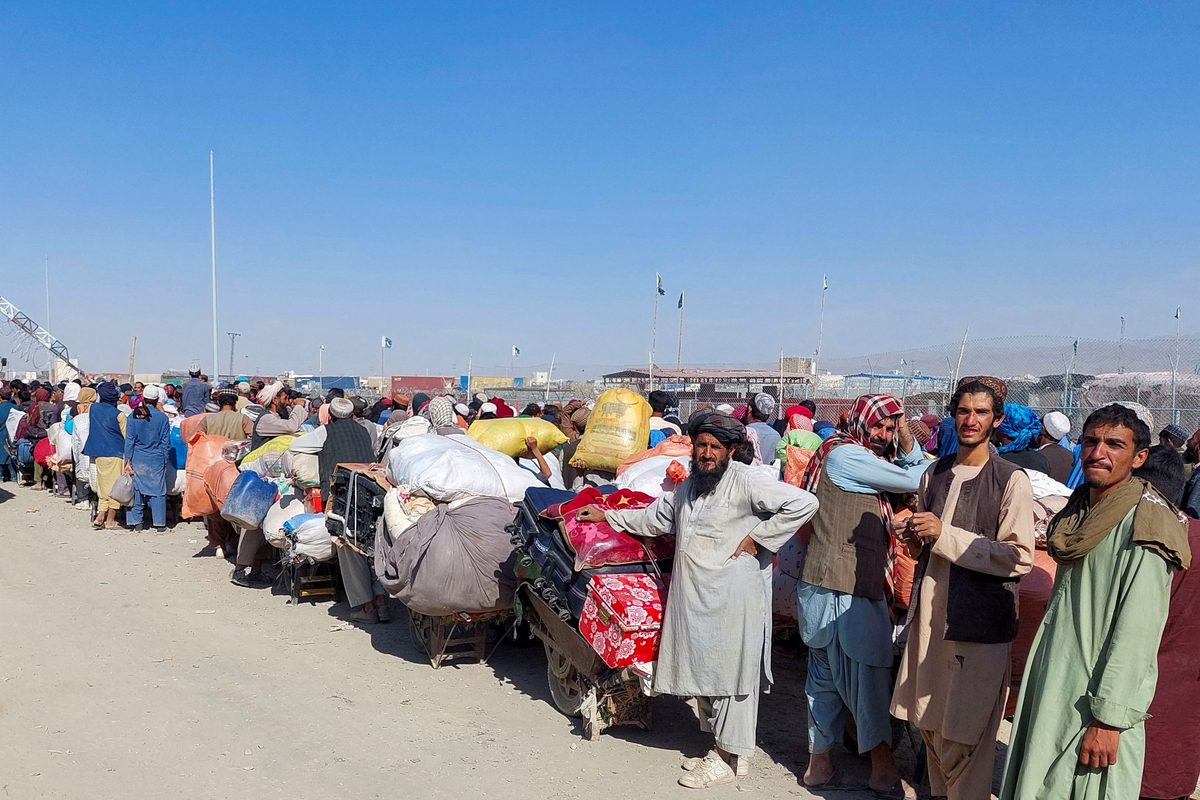
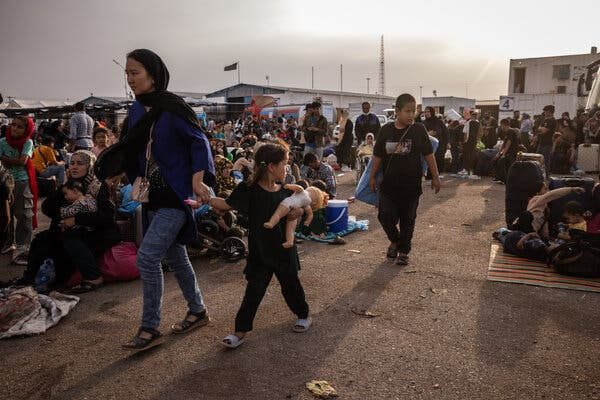
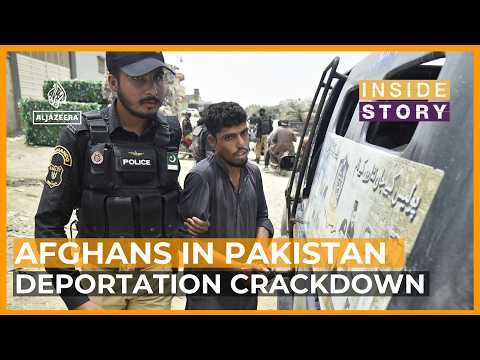
Nazia spent decades in Pakistan with her eight sisters and their children. In 2026, authorities deported the family to Afghanistan, a country she told the BBC she had never seen. She is one of six million Afghans returned since September 2023, a wave UNHCR calls the largest in recent history.

UNHCR confirmed the milestone on September 3 and is asking donors for more money; as of February, its 2026 response was only 8 percent funded. The Taliban government says it has set aside 70,000 land plots for returnees, but families say they arrive with no savings and no tent. The UN says 21.9 million people, nearly half the country, need aid to survive.

Why it matters

Six million people have been pushed back into a country that cannot feed them, and nearly half of Afghanistan now depends on aid to survive.

Questions about this story

Free account needed to ask — your question is kept and asked for you right after sign-up. Answers are public.

No questions yet — be the first to ask.

Key Indicators

6 million
Afghans returned from Pakistan and Iran since September 2023
UNHCR confirmed the milestone on September 3, calling it the largest return movement in recent history.
1.08 million
Afghans returned in 2026
654,100 from Pakistan and 426,700 from Iran, per UNHCR and IOM data through August.
21.9 million
People in Afghanistan needing humanitarian aid this year
Nearly half the population, per UN estimates.
90%
Returnee households in debt
UNHCR monitoring finds most owe more than they earn in a month.
1 million
Afghan children facing life-threatening malnutrition
UNICEF warning issued in August 2026.
$216M
UNHCR aid request for returnees in 2026
Agency's request was only 8 percent funded as of February.

Voices

Curated perspectives — historical figures and your fellow readers.

Ever wondered what historical figures would say about today's headlines?

Sign up to generate historical perspectives on this story.

People Involved

Organizations Involved

Timeline

August 2021 September 2026

10 events Latest: September 3rd, 2026 · 1 week ago
Tap a bar to jump to that date
  1. UNHCR formally confirms six million returns

    Latest Milestone

    UNHCR announces six million Afghans have returned since September 2023, calling it a migration reversal almost without parallel in recent decades.

  2. Nearly 400 detained Afghans freed from Pakistani prisons

    Policy

    The Taliban's refugee ministry says nearly 400 Afghans held in Pakistan for lacking documents were released and repatriated via the Torkham and Spin Boldak crossings.

  3. BBC documents deportees under Taliban rule

    Report

    BBC reports six million expelled Afghans arriving in a country many have never seen.

  4. Returns pass six million

    Milestone

    UNHCR says six million Afghans have returned since September 2023; one million returned in 2026 alone.

  5. Pakistan orders stepped-up arrests

    Policy

    Pakistan's Interior Ministry tells law enforcement to intensify arrests of undocumented Afghan migrants.

  6. Human Rights Watch documents raids

    Report

    Human Rights Watch reports door-to-door raids, late-night home searches, and arrests without warrants.

  7. Pakistan-Afghanistan fighting escalates

    Conflict

    Border fighting between Pakistan and Afghanistan intensifies; expulsions and alleged abuse increase.

  8. Iran accelerates deportations after war

    Policy

    Iran speeds up expulsions of Afghans after 12-day war with Israel and United States.

  9. Pakistan launches deportation plan

    Policy

    Pakistan orders undocumented Afghans to leave or face arrest under a new repatriation plan.

  10. Taliban takes Kabul

    Regime Change

    Taliban seizes control of Afghanistan as millions of Afghans remain abroad.

Scenarios

1

Returns pass 7.5 million as deportation campaigns hold

Likely Resolves by Sep 1, 2027

Discussed by: UNHCR and IOM projections; Afghanistan Analysts Network expects similar return numbers in coming years

Pakistan's repatriation plan continues through further phases and Iran maintains its expulsion policy. With more than a million returns a year, the cumulative total climbs past 7.5 million by September 2027. UNHCR border camps and aid programs remain the primary safety net for arriving families.

2

Pakistan widens exemptions and slows the expulsions

Possible Resolves by Mar 1, 2027

Discussed by: Pakistan granted 16,000 temporary exemptions in August 2026; UNHCR welcomed the decision; estimates cited by the BBC put up to 250,000 Afghans at risk of serious harm

International pressure and the visible humanitarian cost push Pakistan to expand protections for registered refugees and vulnerable groups, particularly women and girls denied education. The pace of arrests and expulsions slows measurably.

3

Return wave pushes parts of Afghanistan into famine

Possible Resolves by Jun 1, 2027

Discussed by: UNICEF warned one million children face life-threatening malnutrition; the UN says 21.9 million people need aid; funding cuts have shrunk assistance packages

Foreign aid cuts and Taliban restrictions on women's employment and movement limit humanitarian access just as six million returnees add population pressure. Food insecurity in the worst-affected provinces crosses the threshold for an official famine classification.

Historical Context

3 moments from history that rhyme with this story — and how they unfolded.

1979-1989

Afghan exodus after the Soviet invasion (1979-1989)

The Soviet invasion in December 1979 sent up to six million Afghans fleeing to Pakistan and Iran, then the world's largest refugee population. Border camps in Pakistan grew into permanent settlements over a decade of war.

Then

Refugees survived on international aid while mujahideen factions fought Soviet forces from Pakistani soil.

Now

Three generations were born and raised outside Afghanistan, many never setting foot in the country. That population is the one now being pushed back.

Why this matters now

Today's six million returns roughly mirror the original exodus in scale, but they move into a far weaker state, under the same Taliban movement many original refugees fled.

1992-1996

Afghan return wave of the early 1990s (1992-1996)

After the Soviet withdrawal, an estimated three million Afghan refugees returned from Pakistan and Iran, at the time the largest voluntary repatriation in UNHCR's history.

Then

The returns reversed as civil war engulfed Kabul, and hundreds of thousands fled again.

Now

Four decades of conflict produced repeated cycles of flight and return across Afghan borders.

Why this matters now

It is the precedent for mass Afghan returns, and a warning that returns without stability and livelihoods do not stick.

2017-present

Rohingya repatriation failure (2017-present)

More than 700,000 Rohingya fled Myanmar's military crackdown in 2017 into Bangladesh. Repatriation agreements were signed, but almost no one returned voluntarily because refugees refused to go back without safety guarantees.

Then

The agreements produced token returns; the vast majority of Rohingya remain in Bangladesh's camps.

Now

The standard that returns must be voluntary, safe and dignified became the test for judging forced repatriation.

Why this matters now

UNHCR applies the same test in Afghanistan: most returnees from Pakistan say they had no choice, and 61 percent described their return as involuntary.

Sources

(8)