1
Pakistani forces engage Iran in direct combat
Possible
Resolves by End of 2026
Discussed by: Reuters cited Pakistani and Saudi security officials weighing rules of engagement
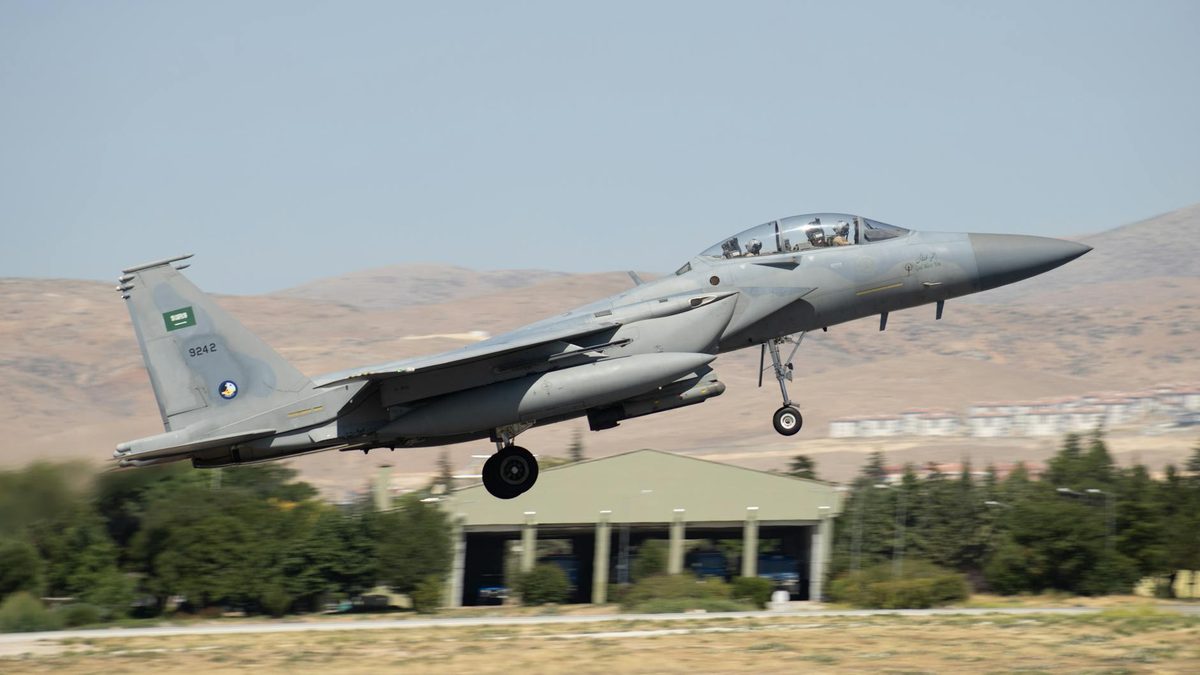
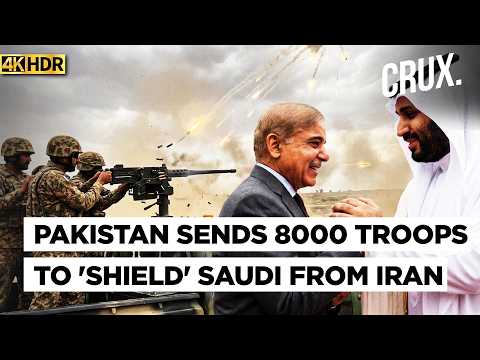
Pakistani pilots fly intercept missions against Iranian aircraft or drones, or Pakistani HQ-9 batteries down Iranian munitions. This would mark Pakistan's first direct combat against Iran and would force Islamabad to drop its mediator role with Washington and Tehran. The trigger is straightforward: another Iranian strike on Saudi infrastructure that Saudi air defenses fail to stop.
2
Iran strikes Pakistani assets inside Saudi Arabia
Possible
Resolves by End of 2026
Discussed by: Analysts at the International Institute for Strategic Studies (IISS) and Bloomberg's Middle East team
Iran targets Pakistani jets, troops, or air defenses to raise the cost of Islamabad's intervention. Tehran has incentives both ways: hitting Pakistani forces would punish the deployment, but it also risks dragging a nuclear power into the war. A limited strike followed by deniability is the most-discussed path.
3
Deployment becomes a standing rotational presence
Likely
Resolves by May 18, 2027
Discussed by: Brookings Doha Center and former Pakistani diplomat Maleeha Lodhi in commentary
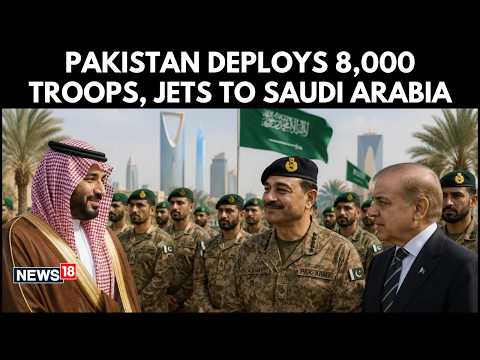
Saudi Arabia and Pakistan formalize the deployment as a permanent rotational force, similar to US troop rotations in Eastern Europe. This locks in Saudi financing for Pakistan's military and gives Riyadh a permanent extension of Pakistani airpower. The mutual defense pact provides the legal architecture; the war provides the political opening.
4
Pakistan withdraws forces under US or Iranian pressure
Unlikely
Resolves by End of 2026
Discussed by: Tehran Times and pro-Iran analysts; some US Congressional Iran hawks
Washington or Tehran successfully pressures Islamabad to pull back its forces to protect either its mediator role or its own borders. Pakistan shares a long, restive border with Iran in Balochistan, and Tehran could retaliate by backing Baloch separatist groups. A US-led nuclear non-proliferation push targeting Pakistani assets in Saudi Arabia is another path.
5
Pakistan brokers US-Iran ceasefire while keeping forces deployed
Uncertain
Resolves by End of 2026
Discussed by: Dawn newspaper editorial board and former Pakistani foreign minister Khurshid Kasuri
Sharif's government uses its dual position to broker a ceasefire that ends the active phase of the war. Pakistan keeps its forces in Saudi Arabia as a deterrent guarantor. This is the outcome Islamabad's diplomatic posture is openly pursuing, and the deployment gives it leverage with Riyadh during talks.
6
US-Iran talks collapse and fighting resumes, forcing Pakistan to choose sides
Possible
Resolves by Q2 2026
Discussed by: Al Jazeera analysis on Pakistan's mediation limits; Trump administration statements on 'on life support' ceasefire
If Trump rejects Iran's revised proposal and orders resumed strikes, Pakistan's dual role becomes untenable. Islamabad would face pressure from Washington to pull forces back or be seen as a combatant. Iran has leverage through Baloch separatist networks along its border with Pakistan. A ceasefire breakdown would test whether the defense pact with Saudi Arabia requires Pakistan to re-enter active hostilities.