

Pull to refresh
Logo
Gulf aviation restarts after the 2026 regional war

Gulf aviation restarts after the 2026 regional war

Built World

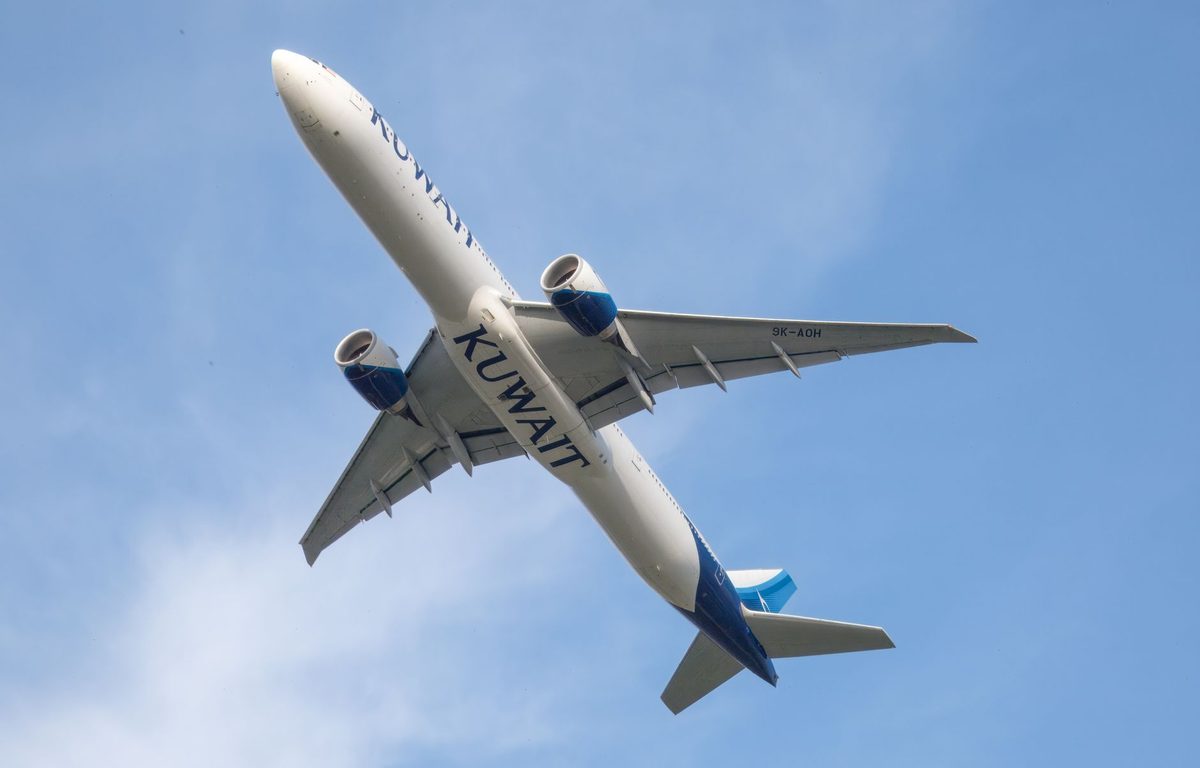
Kuwait reopens Terminal 1 as Gulf hubs claw back flights closed by the February conflict

June 23rd, 2026: Terminal 1 reopens to foreign airlines

Overview

Updated Jun 23

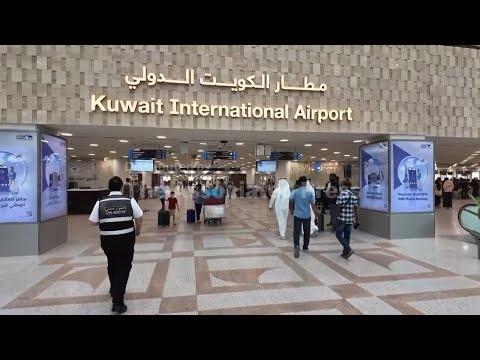
For nearly four months, no airline could land at Kuwait International Airport's main terminal. A drone strike shut it on February 28, the day the regional war began. On June 23, foreign and Arab carriers started flying into Terminal 1 again.

The reopening is one step in a wider restart of Gulf air travel. Twelve flight zones across the region closed on the same February day, the largest simultaneous airspace shutdown in Middle East aviation history. Reconnecting them decides when Europe-to-Asia traffic, trade, and millions of passengers move normally again.

Why it matters

The Gulf is the world's busiest connection point between Europe and Asia. Until its hubs fully reopen, long-haul fares stay high and routes stay longer.

Questions about this story

Free account needed to ask — your question is kept and asked for you right after sign-up. Answers are public.

No questions yet — be the first to ask.

Key Indicators

~115 days
Terminal 1 closed
From the February 28 shutdown to the June 23 reopening to foreign carriers.
12
Flight zones closed Feb 28
Flight Information Regions shut at once across the Middle East and Gulf, a record.
728
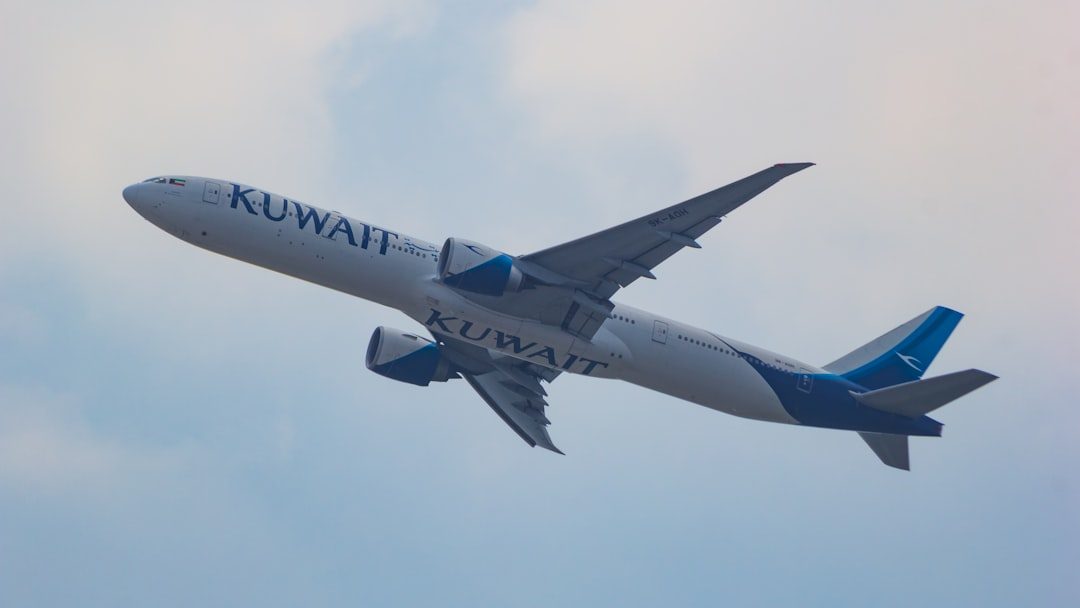
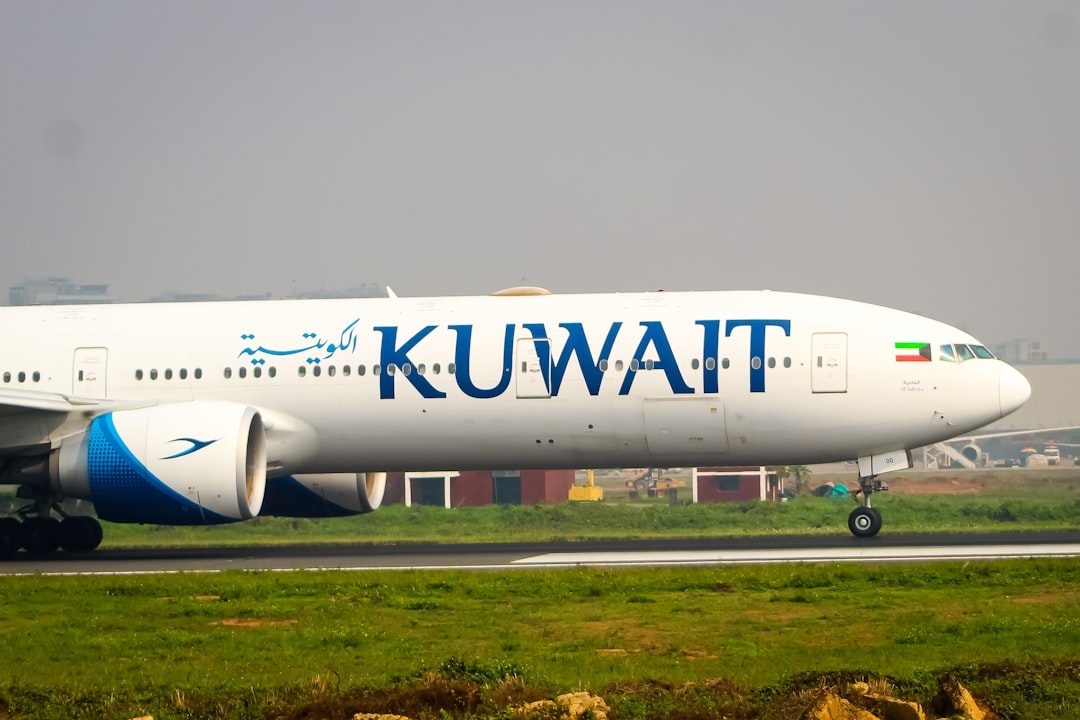
Kuwait Airways weekly flights
Planned weekly departures across 58 destinations as service resumes.
~85%
Gulf network capacity restored
Share of pre-crisis flying rebuilt by major carriers like Emirates and Qatar Airways.

Voices

Curated perspectives — historical figures and your fellow readers.

Ever wondered what historical figures would say about today's headlines?

Sign up to generate historical perspectives on this story.

People Involved

Organizations Involved

Timeline

February 2026 June 2026

6 events Latest: June 23rd, 2026 · 3 months ago
Tap a bar to jump to that date
  1. Terminal 1 reopens to foreign airlines

    Latest Reopening

    Terminal 1 resumes service for Arab and foreign carriers for the first time since the February closure, a milestone in Kuwait's post-war restart.

  2. Terminal 1 begins phased reopening

    Reopening

    Kuwait restarts Terminal 1 in stages. Etihad Airways operates the first flight, to Abu Dhabi. Kuwait Airways leads the route rebuild.

  3. Ceasefire extended

    Diplomatic

    The ceasefire is extended and holds. Kuwait's airport resumes limited operations while Terminal 1 stays closed for repairs.

  4. Ceasefire announced

    Diplomatic

    A temporary ceasefire between the United States and Iran is announced, beginning the reopening of Gulf airspace corridors.

  5. Disruption peaks across Gulf carriers

    Impact

    By late March, Qatar Airways alone had canceled 4,929 flights, nearly 89% of its schedule, stranding tens of thousands of transit passengers.

  6. Regional war begins, Gulf airspace shuts

    Conflict

    Military strikes and retaliation close 12 flight zones across the Middle East at once. A drone strike damages Kuwait's Terminal 1, which closes.

Scenarios

1

Kuwait airport returns to full pre-war schedule by year end

Likely Resolves by End of 2026

Discussed by: Travel And Tour World, Gulf News, Kuwait News Agency

The ceasefire holds and repairs finish on schedule. All Terminal 1 phases complete, foreign carriers fully return, and Kuwait International runs its normal route map. Kuwait Airways hits its planned 728 weekly flights and other airlines match pre-war frequencies. This is the path airport authorities have signaled, barring renewed fighting.

2

Renewed fighting forces Gulf airspace to close again

Possible Resolves by End of 2026

Discussed by: Safe Airspace, OPSGROUP, EASA conflict-zone bulletins

The ceasefire breaks down or a new flare-up hits Iran-linked airspace. Gulf states reclose flight zones, airlines suspend operations, and Kuwait's reopening reverses. Aviation risk monitors warn the truce is fragile and that residual threats over Iraq and Iran could trigger fresh shutdowns at short notice.

3

Gulf hubs reopen but Europe-Asia routes stay disrupted

Possible Resolves by End of 2026

Discussed by: OPSGROUP, Simple Flying, Newsweek

Airports operate, but corridor restrictions and GPS jamming keep traffic constrained. Airlines still reroute roughly 1,100 to 1,200 flights a day around closed segments, adding flight time and cost on Europe-Asia connections. The region looks open on paper while long-haul connectivity stays under structural strain through year end.

Historical Context

3 moments from history that rhyme with this story — and how they unfolded.

1991

Kuwait airport after the Gulf War (1991)

Kuwait International Airport was heavily damaged during the Iraqi occupation and the 1991 war. Terminals, runways, and equipment had to be repaired before civil flights could return.

Then

The airport reopened in stages over months as repairs were completed.

Now

It was rebuilt and expanded, becoming the hub disrupted again in 2026.

Why this matters now

Kuwait has done this before: a war damages the airport, then a phased, repair-led reopening follows. The 2026 playbook echoes 1991.

September 2001

September 11 U.S. airspace shutdown (2001)

After the September 11 attacks, U.S. authorities grounded all civilian flights for the first time in history. About 4,500 aircraft were ordered down within hours, and thousands of international flights were diverted.

Then

Commercial flights resumed within days, but under heavy new restrictions and security checks.

Now

Airport security and air travel rules were rebuilt permanently, and several airlines never financially recovered.

Why this matters now

It shows how a security shock can ground an entire system fast, and how reopening is staged and slower than the shutdown.

April 2010

Eyjafjallajökull volcano airspace closure (2010)

An Icelandic volcano's ash cloud closed most European airspace for several days. Roughly 100,000 flights were canceled and about 10 million passengers were stranded.

Then

Airspace reopened in stages as authorities mapped safe corridors through the ash.

Now

Regulators built new ash-density rules so future eruptions would not trigger blanket closures.

Why this matters now

Like the Gulf in 2026, reopening came zone by zone, and 'open' airspace still meant restricted, rerouted flying for weeks.

Sources

(6)