


Pull to refresh
Logo
Greenville weighs tax financing for Hathaway Woods workforce housing

Greenville weighs tax financing for Hathaway Woods workforce housing

Money Moves Greenville, MI local

Builder offers below-market rentals in exchange for infrastructure funding; city manager advises no action

September 1st, 2026: City Council hears TIF proposal

Overview

Updated 5 days ago

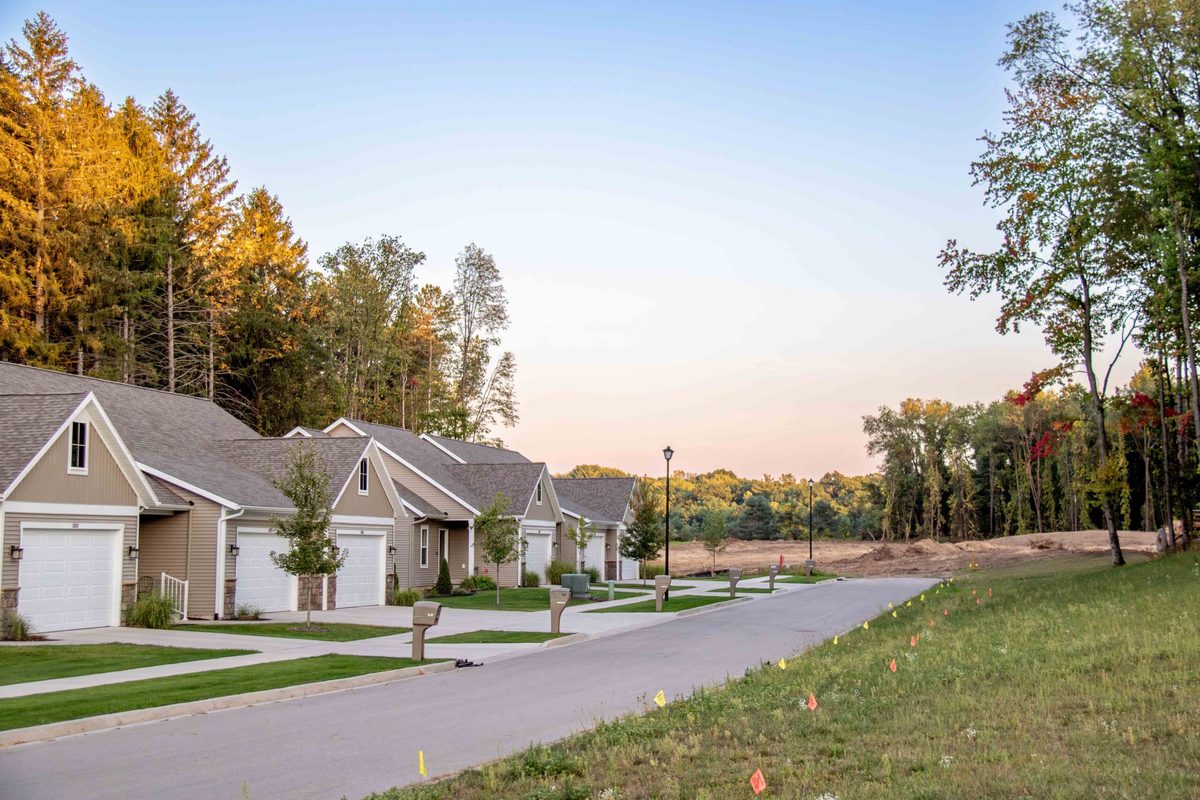
A West Michigan homebuilder wants to add 172 homes at Greenville's Hathaway Woods and rent some below market rate. He's asking the city to pay for new roads and sewers with the property tax revenue those homes would generate.

That's a tax increment financing plan, or TIF. For a set term, the increase in property tax revenue from phases 2-4 would go to infrastructure instead of the city's general fund. In exchange, some homes would be leased to qualified renters at lower rates to ease workforce housing strain.

The city manager recommends the council receive the presentation and take no further action, a sign staff are not backing the TIF. The Sept 1 meeting will show how much support the proposal has on the council.

Why it matters

Greenville's choice: redirect new tax revenue to infrastructure in exchange for below-market rentals, or let the workforce homes go unbuilt.

Questions about this story

Free account needed to ask — your question is kept and asked for you right after sign-up. Answers are public.

No questions yet — be the first to ask.

Key Indicators

172
Homes proposed in Hathaway Woods phases 2-4
The expansion covered by the TIF proposal, plus a workforce rental component.
$354,900
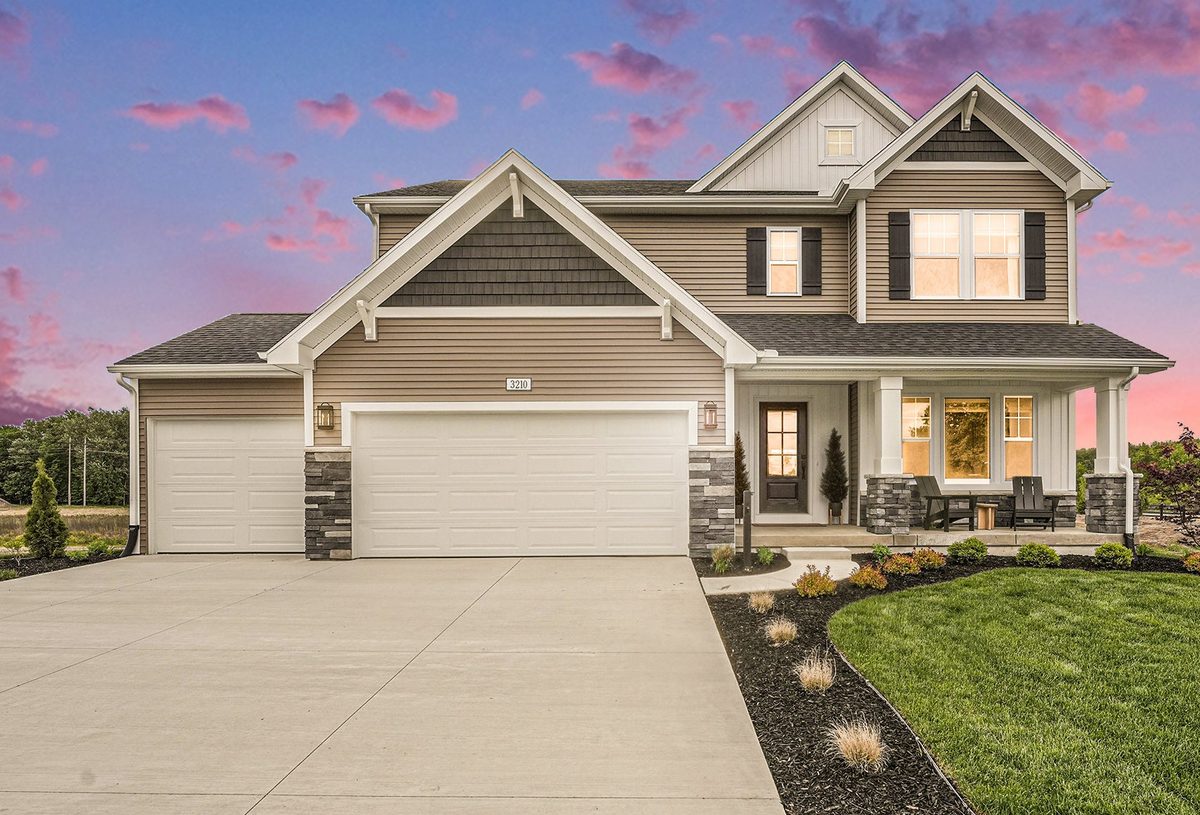
Starting price of current Hathaway Woods homes
Existing phase 1 pricing; phases 2-4 may differ once infrastructure costs are set.

Voices

Curated perspectives — historical figures and your fellow readers.

Ever wondered what historical figures would say about today's headlines?

Sign up to generate historical perspectives on this story.

People Involved

Organizations Involved

Timeline

August 2026 September 2026

3 events Latest: September 1st, 2026 · 1 week ago
  1. City Council hears TIF proposal

    Latest Council Meeting

    Allen Edwin Homes VP Brian Farkas presents a housing TIF for phases 2-4; city manager advises no action.

  2. Planning Commission reconvenes on Hathaway Woods plan

    Planning

    Commission reconvened on the 172-home proposal. (Approximate date.)

  3. Planning Commission stalls on Hathaway Woods expansion

    Planning

    Commission adjourned without a recommendation on the 172-unit expansion. (Approximate date.)

Scenarios

1

Greenville approves TIF for Hathaway Woods

Possible Resolves by End of 2026

Discussed by: Allen Edwin Homes argues the TIF is needed to make workforce rentals financially viable

Council members vote to establish the housing TIF, redirecting incremental tax revenue from phases 2-4 to infrastructure for a set term. The developer then builds the 172 homes and leases a share to qualified renters below market rates.

2

Council declines, TIF proposal stalls

Likely Resolves by End of 2026

Discussed by: The city manager's recommendation to take no action points this way

Following the city manager's advice, the council receives the presentation without acting. Without the TIF, the builder either proceeds with market-rate homes alone, delays the expansion, or seeks a different subsidy.

3

Council sends TIF back for revisions

Possible Resolves by End of 2026

Discussed by: A common pattern when councils want more detail on costs and rental share

Council members ask for specifics—the share of rental units, the TIF's dollar amount and term, or the exact infrastructure costs. The developer returns with a revised plan at a later meeting.

Historical Context

3 moments from history that rhyme with this story — and how they unfolded.

1974–present

Montgomery County, Maryland inclusionary zoning (1974–present)

In 1974, Montgomery County became the first US jurisdiction to require developers of new subdivisions to set aside a share of 'moderately priced dwelling units' for below-market sale or rent.

Then

The program produced thousands of affordable units in market-rate neighborhoods over the following decades.

Now

It became the national model for inclusionary zoning, though economists debate how much such mandates raise costs.

Why this matters now

Greenville's plan ties development approval to below-market rentals, the same bargain Montgomery County pioneered a half-century ago.

1984–present

Chicago TIF districts (1984–present)

Chicago created its first tax increment financing district in 1984 and established more than 150 over the following decades. The districts diverted the growth in property tax revenue from schools, parks, and the city's general fund to subsidize private redevelopment, including luxury projects.

Then

The tool funded major redevelopment in the Loop and other areas but pulled revenue from services like schools.

Now

TIF became politically contentious, Illinois tightened oversight, and Chicago became a cautionary reference for other cities.

Why this matters now

Greenville's proposal raises the same question Chicago faced: does the public benefit of subsidized development justify the tax revenue it foregoes?

1990s–2010s

Michigan downtown TIFs (1990s–2010s)

Michigan cities have long used tax increment financing for redevelopment. Detroit in the 2000s and 2010s used tax abatements and TIFs to subsidize downtown office and residential projects, including major purchases by Quicken Loans founder Dan Gilbert.

Then

Downtown Detroit saw a construction boom, though the subsidies drew criticism as neighborhoods elsewhere struggled.

Now

Michigan's experience shows TIF can spur development but raises questions about who shares the benefit.

Why this matters now

Greenville's TIF is the same tool Michigan cities have used for years, in miniature.

Sources

(4)