


Pull to refresh
Logo
Madras Indian Grill licensed to open at 28th Street SE in Grand Rapids

Madras Indian Grill licensed to open at 28th Street SE in Grand Rapids

Money Moves Grand Rapids, MI local

Kent County health clearance is on record for the 2030 28th St SE address

August 12th, 2026: Kent County issues food license

Overview

Updated Aug 27

Madras Indian Grill secured a Kent County food establishment license on August 12, 2026, for its planned restaurant at 2030 28th St SE. The county portal lists one inspection. It clears the business to serve food, though it doesn't confirm the doors have opened.

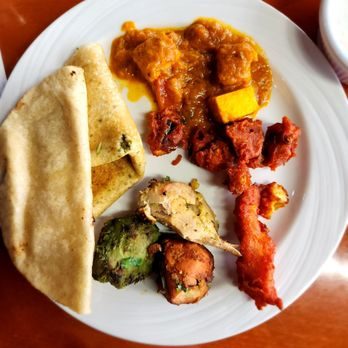
The menu is already public: South Indian staples like dosa and goat curry, plus Indo-Chinese dishes such as Gobi Manchurian and chili chicken. That fusion is uncommon in Grand Rapids, and the weekend lunch buffet signals a bet on the local family-dining crowd.

Why it matters

Grand Rapids has thin South Indian options. This license is the 'go' signal for one more on 28th Street SE—if follow-up inspections pass.

Questions about this story

Free account needed to ask — your question is kept and asked for you right after sign-up. Answers are public.

No questions yet — be the first to ask.

Key Indicators

1
Health inspections on record
One inspection was posted when the license was issued.

Voices

Curated perspectives — historical figures and your fellow readers.

Ever wondered what historical figures would say about today's headlines?

Sign up to generate historical perspectives on this story.

Organizations Involved

Timeline

1 event Latest: August 12th, 2026 · 1 month ago
  1. Kent County issues food license

    Latest Regulatory

    Madras Indian Grill is licensed at 2030 28th St SE; one inspection is on record.

Scenarios

1

Madras Indian Grill opens and starts serving customers

Likely Resolves by Nov 12, 2026

Discussed by: Local food writers and the restaurant's own marketing

The license is routine but necessary, and the website and menu are already live. Expect the doors to open within weeks, pass a follow-up inspection, and begin building a customer base around the weekend buffet. This is the most common outcome for a spot that's already this far along.

2

Inspection or permitting issues stall the opening

Possible Resolves by Nov 12, 2026

Discussed by: No public analyst; a standard risk for new restaurants

Restaurants sometimes stall even after licensing. A failed follow-up inspection, a complaint about sanitation or pests, or a slow lease fit-out could delay service. If the county portal posts a new compliance action or the opening keeps slipping with no announcement, this scenario is in play.

3

Opens, then closes within a year

Unlikely Resolves by Aug 12, 2027

Discussed by: Restaurant industry failure-rate data

The restaurant business is brutal. A meaningful share of new independent spots close within the first year, regardless of how the opening goes. If foot traffic on 28th Street SE doesn't materialize or costs overwhelm the menu's margins, the place could shutter quickly.

Historical Context

2 moments from history that rhyme with this story — and how they unfolded.

1960s-2000s

Indian restaurants reach the US Midwest (1960s-2000s)

The first Indian restaurants in the United States opened in New York and other coastal metros in the 1960s, mostly serving expat communities. For decades the cuisine stayed confined to big cities and college towns.

Then

Growth was slow; Indian food was a niche ethnic offering.

Now

By the 2000s, Indian restaurants had spread to mid-size cities across the Midwest as immigration broadened and palates shifted.

Why this matters now

Madras Indian Grill's license is a late step in that same diffusion: a South Indian kitchen opening in a mid-size Michigan city decades after the coastal wave.

1800s-1900s

Chop suey and Indo-Chinese fusion (1800s-1900s)

Chinese cooks in the US invented chop suey to adapt their cooking to American tastes. In India, Chinese immigrants in Kolkata built a separate fusion cuisine, blending soy sauce and chilies with local spices.

Then

Both dishes became hugely popular regional comfort foods.

Now

They showed how immigrant cuisines survive by adapting to local palates.

Why this matters now

The restaurant's Gobi Manchurian and chili chicken sit in this adaptation tradition, a sign the menu targets a broad local base rather than only a diaspora niche.

Sources

(3)