


Pull to refresh
Logo
Grand Rapids pilot pays musicians as certified city vendors

Grand Rapids pilot pays musicians as certified city vendors

Rule Changes Grand Rapids, MI local

Phase Zero will certify 15 to 18 local performers as Cultural Business Enterprises

3 days ago: Phase Zero musician pilot announced

Overview

Updated 3 days ago

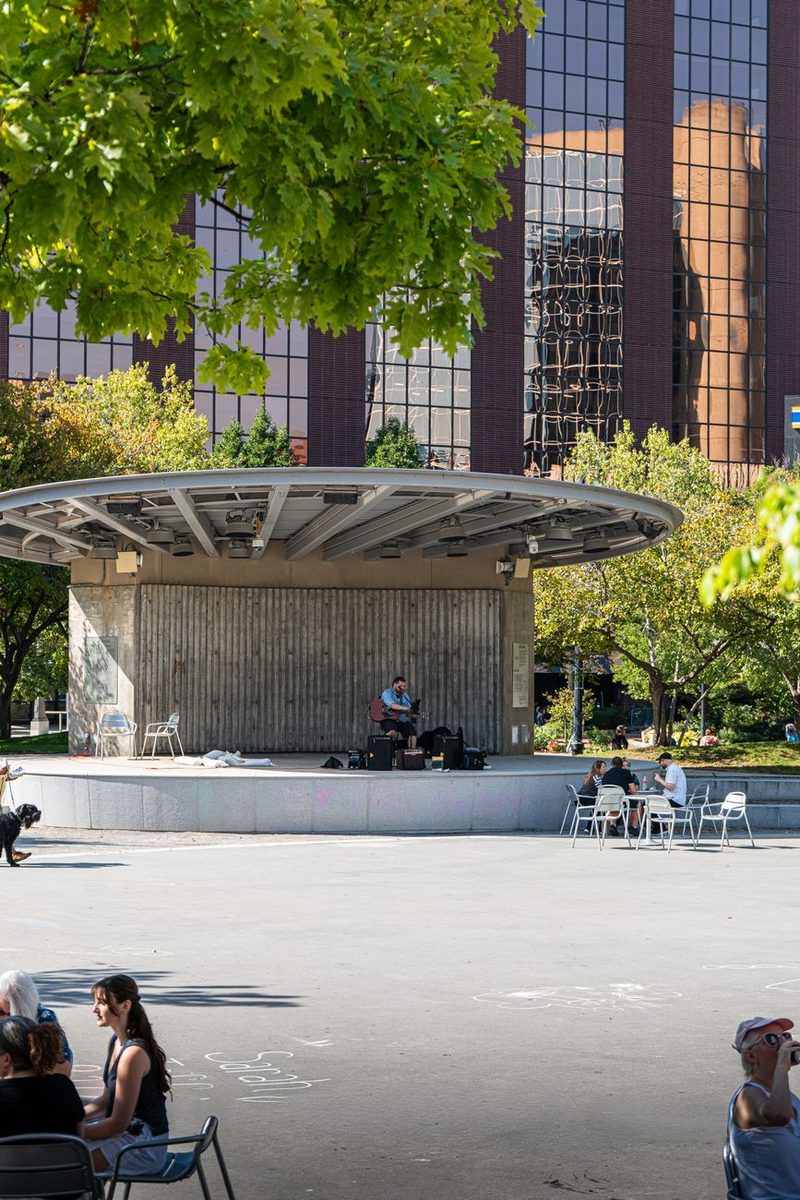
Grand Rapids is paying local musicians like any other city vendor. The Phase Zero pilot will certify 15 to 18 musicians as Cultural Business Enterprises and contract with them for free public performances.

The change is structural. Musicians move from grant applications into the city's vendor system, gaining a formal business record and eligibility for city work. The pilot is the latest in a series of Grand Rapids programs that treat undercapitalized workers as small businesses rather than beneficiaries.

Why it matters

This pilot tests whether cities can treat musicians as contractable small businesses, giving them access to the same procurement and financing tools as other vendors.

Questions about this story

Free account needed to ask — your question is kept and asked for you right after sign-up. Answers are public.

No questions yet — be the first to ask.

Key Indicators

15–18
Musicians to be certified in Phase Zero pilot
Upper bound of the planned cohort; the city will certify 15 to 18 performers.
8
Construction firms in MLBE bonding pilot
A parallel city program helping certified construction firms bid on larger projects.
20
Entrepreneur cap in DRIP retail incubator
Cap for Downtown Grand Rapids Inc.'s retail incubation program, launched in 2025.

Voices

Curated perspectives — historical figures and your fellow readers.

Ever wondered what historical figures would say about today's headlines?

Sign up to generate historical perspectives on this story.

People Involved

Organizations Involved

Timeline

December 2020 September 2026

3 events Latest: 3 days ago
  1. Phase Zero musician pilot announced

    Latest Policy

    City certifies 15 to 18 musicians as Cultural Business Enterprises and pays them as vendors for free public performances.

  2. DGRI launches DRIP retail incubator

    Launch

    Three-year program capped at 20 micro-entrepreneurs, with a goal of graduating several into storefronts.

  3. Arts Marketplace launches at Studio Park

    Launch

    Collaborative retail space opened to support local artists and maker businesses.

Scenarios

1

Phase Zero becomes a permanent city program

Possible Resolves by Sep 9, 2027

Discussed by: City staff have framed the program as a model; Grand Rapids' Office of Equity and Engagement and local news coverage

If the pilot draws enough interest and runs smoothly, the Grand Rapids City Commission could vote to continue the Cultural Business Enterprise certification for artists, expand the number of musicians, and fold the program into standard arts funding.

2

Pilot ends after its test run

Possible Resolves by Sep 9, 2027

Discussed by: A common outcome for municipal pilots; no specific analyst named

Phase Zero runs a limited cycle, certifies its initial cohort, and quietly concludes without a standing program. This could happen if uptake is low, administrative cost is high, or funding shifts to other priorities.

3

Other cities copy the Grand Rapids model

Uncertain Resolves by Sep 9, 2028

Discussed by: Alvin Hills IV's 'national model' framing in city materials

Grand Rapids officials have talked about creating a national model for small-business support. If Phase Zero produces clear results, media coverage could prompt other municipalities to launch similar artist-certification vendor programs for their local performers.

Historical Context

3 moments from history that rhyme with this story — and how they unfolded.

July 1935 – 1943

WPA Federal Music Project (1935–1943)

The Federal Music Project, part of the Works Progress Administration, employed thousands of musicians during the Great Depression to perform public concerts. It put working musicians on the federal payroll at a time when private bookings had collapsed.

Then

Restored income for thousands of musicians and brought free public concerts to cities nationwide.

Now

Established a lasting model of direct public payment for music performance.

Why this matters now

Shows a prior era when government paid musicians directly for public performance, though as employees rather than certified business vendors.

1977 – 1978

US minority business certification programs (1977–1978)

The Public Works Employment Act of 1977 created the 8(a) program, letting the federal government set aside contracts for certified minority-owned businesses. That certification structure gave firms a formal status that unlocked procurement set-asides.

Then

Created the minority-owned business enterprise (MBE) and women-owned business enterprise (WBE) certification frameworks now common across US cities.

Now

Provided the template Grand Rapids is extending to artists with its Cultural Business Enterprise certification.

Why this matters now

Phase Zero borrows the vendor-certification structure these programs made standard, applying it to a new class of workers.

2013

California Cottage Food Law (2013)

California legalized home-based food businesses, letting home cooks obtain licenses and sell their products as small businesses. The California Homemade Food Act formalized informal culinary work into a recognized business category.

Then

Thousands of home cooks became licensed food businesses in the first several years.

Now

Expanded access to business legitimacy for informal craft and food producers across the state.

Why this matters now

Illustrates how creating a formal certification category can turn informal creative labor into recognized, contractable small businesses.

Sources

(3)