
Pull to refresh
Logo
Fugro to clear unexploded ordnance along 50Hertz's German North Sea cable routes

Fugro to clear unexploded ordnance along 50Hertz's German North Sea cable routes

Built World

UXO survey work starting in 2027 preps two 2-GW HVDC links that will carry offshore wind to Germany's grid.

Overview

Updated Oct 31

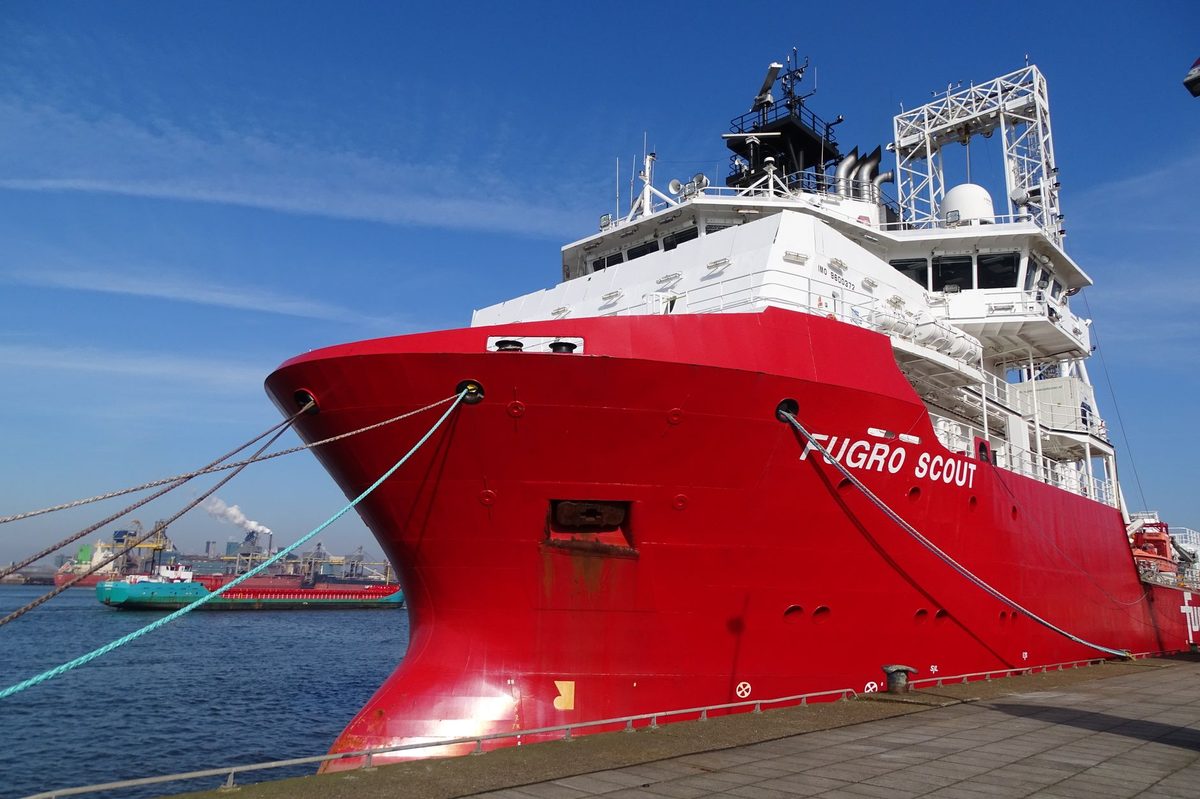
Fugro will survey, identify, and clear unexploded ordnance (UXO) along the routes of 50Hertz's LanWin3 and LanWin6 high-voltage direct current (HVDC) grid connections. Survey work starts in the second quarter of 2027, scanning 200-metre-wide corridors with magnetic sensors. Target inspection follows in 2028.

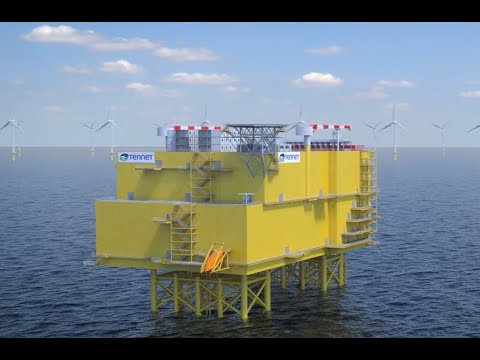
Each connection is built to carry 2 gigawatts, or 4 GW combined. Polish energy site 300energia reports that 50Hertz expects LanWin3 to be finished by 31 December 2032. The survey comes first because the hazard is unknown until measured: "The number and nature of potential UXO can only be known once the survey is complete," said Ronny Bøhn, Fugro's director of marine geophysics for Europe and Africa.

Why it matters

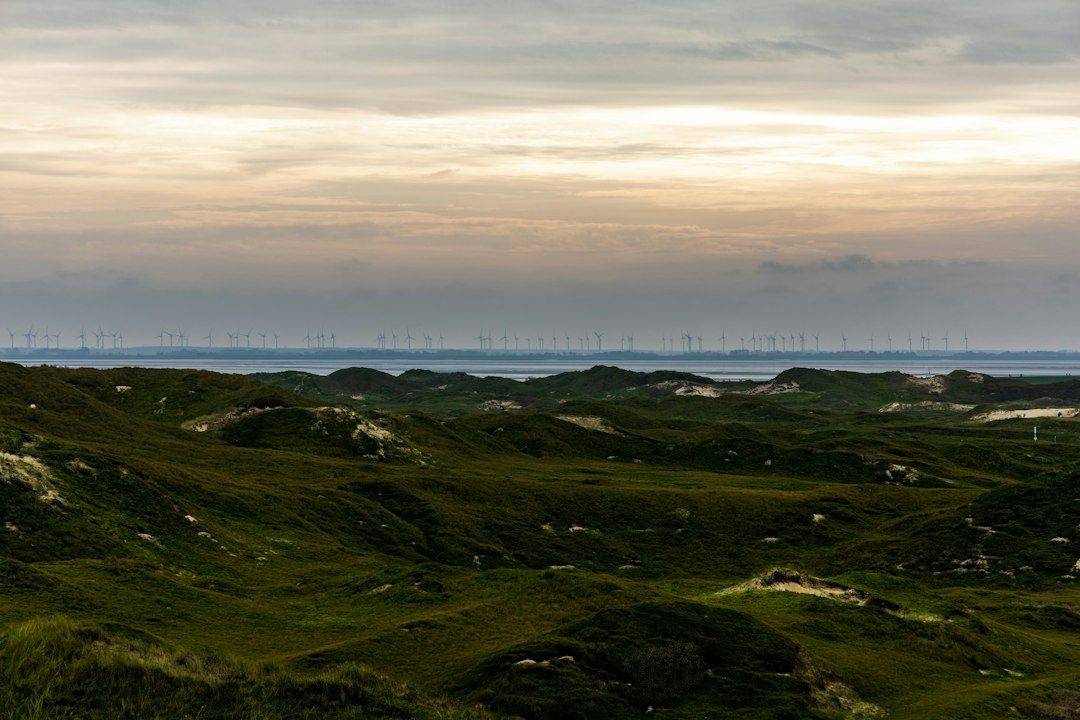
If buried wartime munitions block these corridors, 4 GW of planned offshore wind cannot reach the German grid on schedule.

Questions about this story

Free account needed to ask — your question is kept and asked for you right after sign-up. Answers are public.

No questions yet — be the first to ask.

Key Indicators

4 GW
Combined capacity of LanWin3 and LanWin6
Each of the two HVDC connections is built to carry 2 GW of offshore wind to Germany's grid.
1.3M tonnes
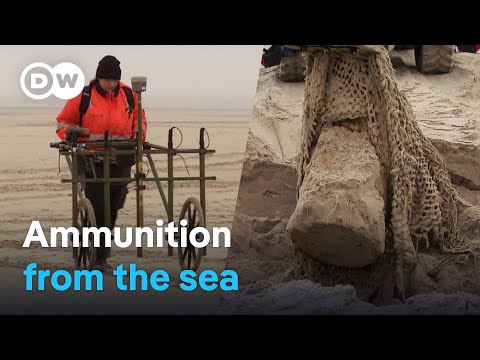
Estimated unexploded munitions in the world's oceans
Fugro cites 1.3 million tonnes of unexploded munitions remaining in marine environments globally.
200 m
Survey corridor width
Fugro will map 200-metre-wide corridors along both cable routes starting in Q2 2027.
2
Geowing magnetic sensor arrays
Each Geowing towed array carries 10 magnetic sensors to detect objects on or beneath the seabed.

Voices

Curated perspectives — historical figures and your fellow readers.

Sign up to generate historical perspectives on this story.

People Involved

Organizations Involved

Timeline

August 2026 2028

6 events Latest: October 29th, 2026 · 1 week ago
Tap a bar to jump to that date
  1. Target inspection and clearance

    Upcoming Project milestone

    Remotely operated vehicles investigate selected targets, remove debris, and support disposal of confirmed unexploded ordnance.

  2. UXO survey campaign begins

    Upcoming Project milestone

    Fugro starts mapping the 200-metre-wide corridors in the second quarter of 2027, using two Geowing magnetic gradiometer arrays with 10 sensors each.

  3. LanWin3 completion target reported

    Latest Project milestone

    300energia reports that 50Hertz targets 31 December 2032 for LanWin3. The route is about 219 km of subsea cable to Büsum, plus about 16 km on land to the HeideHub node.

  4. Fugro announces the award

    Announcement

    Fugro confirms plans for 200-metre survey corridors starting in Q2 2027, with target inspection in 2028.

  5. Contract award notice published on TED

    Notice

    The EU procurement database lists the award for subsurface surveying services in the German North Sea.

  6. 50Hertz awards UXO survey contract to Fugro

    Contract

    50Hertz Offshore GmbH selects Fugro Netherlands Marine B.V. for UXO survey, identification and clearance. The award notice records the contract date as 24 August 2026.

Scenarios

1

Survey and clearance finish as planned, no rerouting

Possible Resolves by End of 2028

Discussed by: Fugro and 50Hertz, which sequenced the survey before laying any cable

Fugro maps both corridors in 2027, ROVs inspect targets in 2028, and clearance removes manageable amounts of ordnance. 50Hertz confirms the routes are clear and cable installation proceeds without redrawing the corridors. This is the intended outcome of a survey-first approach.

2

Extra ordnance triggers delays, installation slips past 2029

Likely Resolves by End of 2028

Discussed by: Offshore wind trade press (offshorewind.biz), industry analysts

The survey finds more targets than expected, clearance runs past 2028, and cable-laying is pushed into 2029 or 2030.

3

Heavy contamination forces corridor reroutes

Unlikely Resolves by End of 2029

Discussed by: Fugro's own framing, which stresses the hazard is unknown until surveyed

If target density is too high to clear cost-effectively, 50Hertz redraws corridor segments. Fresh surveys would follow, adding a year or more to the timeline.

Historical Context

2 moments from history that rhyme with this story — and how they unfolded.

1939-1945

WWII mine warfare in the North Sea (1939-1945)

Germany and the Allies laid tens of thousands of naval mines across the North Sea during the war, sinking hundreds of ships. Post-war clearing operations swept shipping channels for years, but mines and other munitions were left behind or dumped at sea.

Then

Post-war minesweeping reopened shipping lanes but never fully cleared the seabed.

Now

Decades of wartime munitions remain on the floor of the North Sea, a hazard for any new undersea infrastructure.

Why this matters now

Today's HVDC cable installers confront the same leftover ordnance that has sat on the seabed since the 1940s — the problem Fugro's survey is meant to locate before cable-laying begins.

1940s-1970s

Post-war dumping of munitions at sea (1940s-1970s)

After 1945, militaries dumped large quantities of captured and surplus conventional and chemical munitions at designated offshore sites, including in the North Sea and Baltic Sea.

Then

Dumping removed weapons from land cheaply in the short term.

Now

The dumps remain in place, and some now sit in the path of offshore wind farms and cable corridors.

Why this matters now

Fugro's survey corridors run through waters that saw decades of shipping, mining, and dumping — the conditions that scatter UXO unpredictably across the seabed.

Sources

(7)