
Pull to refresh
Logo
TransnetBW completes line construction on Ultranet north-south power link

TransnetBW completes line construction on Ultranet north-south power link

Built World

Southern section finished; first power flow targeted for end of 2026

Overview

Updated Oct 22

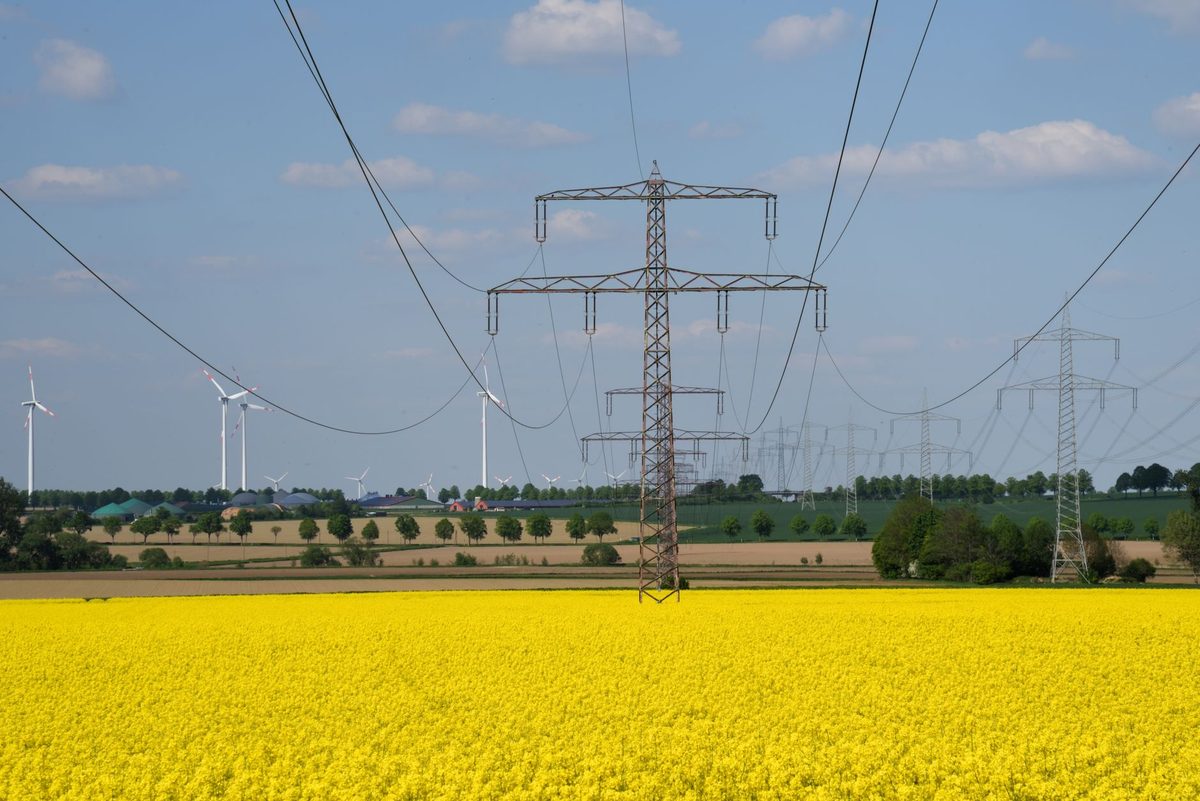
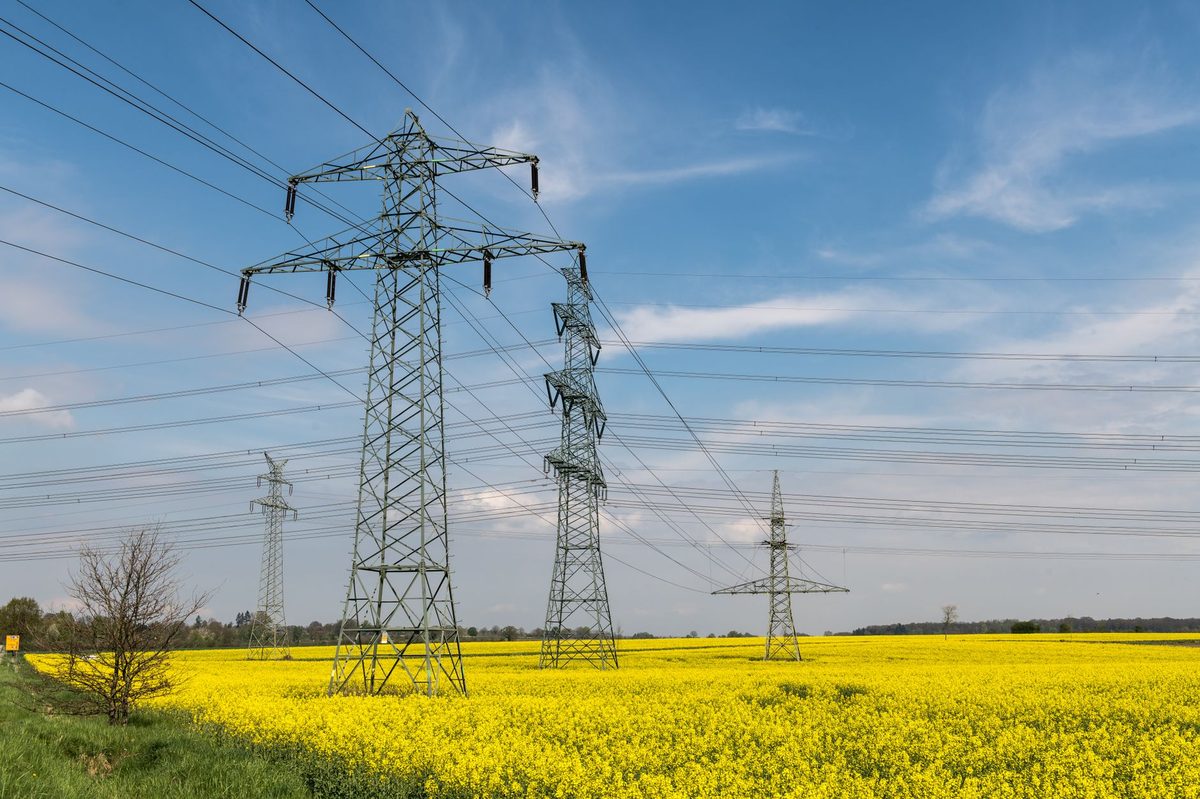
TransnetBW has finished the 42-kilometer southern section of Ultranet, the direct-current line that will run about 340 kilometers from Meerbusch-Osterath in North Rhine-Westphalia to Philippsburg in Baden-Württemberg. The link is designed to carry up to 2 gigawatts in either direction.

TransnetBW built the converter at Philippsburg on the site of the former nuclear plant; it was inaugurated on 29 November 2024 after more than four years of work. Until the line goes live, the converter runs in reactive-power mode, holding voltage steady in the regional grid. Amprion is still finishing the roughly 300-kilometer stretch through North Rhine-Westphalia, and first power is targeted for the end of 2026.

Why it matters

The line is meant to carry 2 GW of northern wind power to southern Germany's factories, cutting the coal the south still burns for power.

Questions about this story

Free account needed to ask — your question is kept and asked for you right after sign-up. Answers are public.

No questions yet — be the first to ask.

Key Indicators

2 GW
Transmission capacity
Bidirectional capacity of the Ultranet HVDC link.
340 km
Total line length
Runs from Meerbusch-Osterath in North Rhine-Westphalia to Philippsburg in Baden-Württemberg.
42 km
B1 section length
The southern section between Mannheim-Wallstadt and Philippsburg, now complete.
4+ years
Philippsburg converter build time
Construction time for the converter station, inaugurated on 29 November 2024.
9 years
Delay from original target
Ultranet was originally scheduled to go into operation in 2017.

Voices

Curated perspectives — historical figures and your fellow readers.

Sign up to generate historical perspectives on this story.

Organizations Involved

Timeline

2017 October 2026

7 events Latest: October 21st, 2026 · 3 weeks ago
Tap a bar to jump to that date
  1. TransnetBW completes B1 line construction

    Latest Construction

    The 42-km southern section between Mannheim-Wallstadt and Philippsburg is finished.

  2. Ultranet fully approved by Bundesnetzagentur

    Regulatory

    The entire 342-km line receives final approval, clearing the way for construction on all sections.

  3. Philippsburg converter inaugurated

    Construction

    After more than four years of building, TransnetBW opens the converter station on the former nuclear plant site. It starts in reactive-power mode to steady the grid until the line itself goes live.

  4. Helicopter stringing under way on the southern section

    Construction

    Crews pull pilot lines by helicopter so the direct-current conductors can be added to existing masts between Heidelberg-Neurott and Philippsburg. One such pull took place near Waghäusel on 29 July 2024.

  5. Construction begins on B1 section

    Construction

    Freileitungsbau starts between Mannheim-Wallstadt and Philippsburg.

  6. Bundesnetzagentur approves B1 section plan

    Regulatory

    Plan approval for the 42-km southern section between Mannheim-Wallstadt and Philippsburg.

  7. Ultranet originally scheduled to go into operation

    Planning

    The link was initially planned to be operational in 2017.

Scenarios

1

Ultranet delivers first power by end of 2026

Likely Resolves by End of 2026

Discussed by: TransnetBW and Amprion project schedules

The remaining work is testing and commissioning of the converter stations at Osterath and Philippsburg. If those pass, the line goes live as planned. TransnetBW says the project is on track for end of 2026.

2

Ultranet commissioning slips into 2027

Possible Resolves by Q1 2027

Discussed by: NDR analysis of German grid expansion delays

German HVDC projects have a pattern of multi-year delays. Converter station testing or grid connection issues could push first power flow into 2027. NDR data shows only 37% of planned new lines are complete as of October 2026.

3

Ultranet starts at reduced capacity

Possible Resolves by Q2 2027

Discussed by: Grid operators' phased commissioning practice

HVDC links often ramp up gradually. Initial operation may carry less than the full 2 GW while converter stations are tuned and tested under load.

Historical Context

2 moments from history that rhyme with this story — and how they unfolded.

2019-2028

SuedLink (2019-2028)

SuedLink is the other major north-south HVDC corridor, running from the North Sea coast to Bavaria. Its two strands were originally due in 2019 and 2022; both are now targeted for end of 2028.

Then

The delays forced Germany to rely on grid redispatch and emergency measures to keep the south supplied.

Now

SuedLink's timeline shows the systemic difficulty of building new transmission corridors through populated regions.

Why this matters now

Ultranet follows the same pattern: originally due in 2017, now targeted for end of 2026.

2020-2027

A-Nord (2020-2027)

A-Nord, the third major north-south link, was originally scheduled for 2020. It is now expected mid-2027.

Then

The project faced permitting delays and local opposition.

Now

All four major German HVDC corridors are running years behind their original schedules.

Why this matters now

A-Nord's delay history mirrors Ultranet's, showing the delays are systemic rather than project-specific.

Sources

(11)