

1966 onward
Ice-core paleoclimate reconstruction (1960s–present)
When researchers drilled the Camp Century ice core in Greenland in 1966, they recovered air bubbles trapped over thousands of years. Scientists realised they could read past atmospheric composition directly from material that had been accumulating for an unrelated reason — glacial flow.
Then
Ice cores became the foundational dataset for paleoclimate science.
Now
Established the principle that the most valuable scientific archives are often created accidentally, by processes that preserve material long before anyone knows what to do with it.
Why this matters now
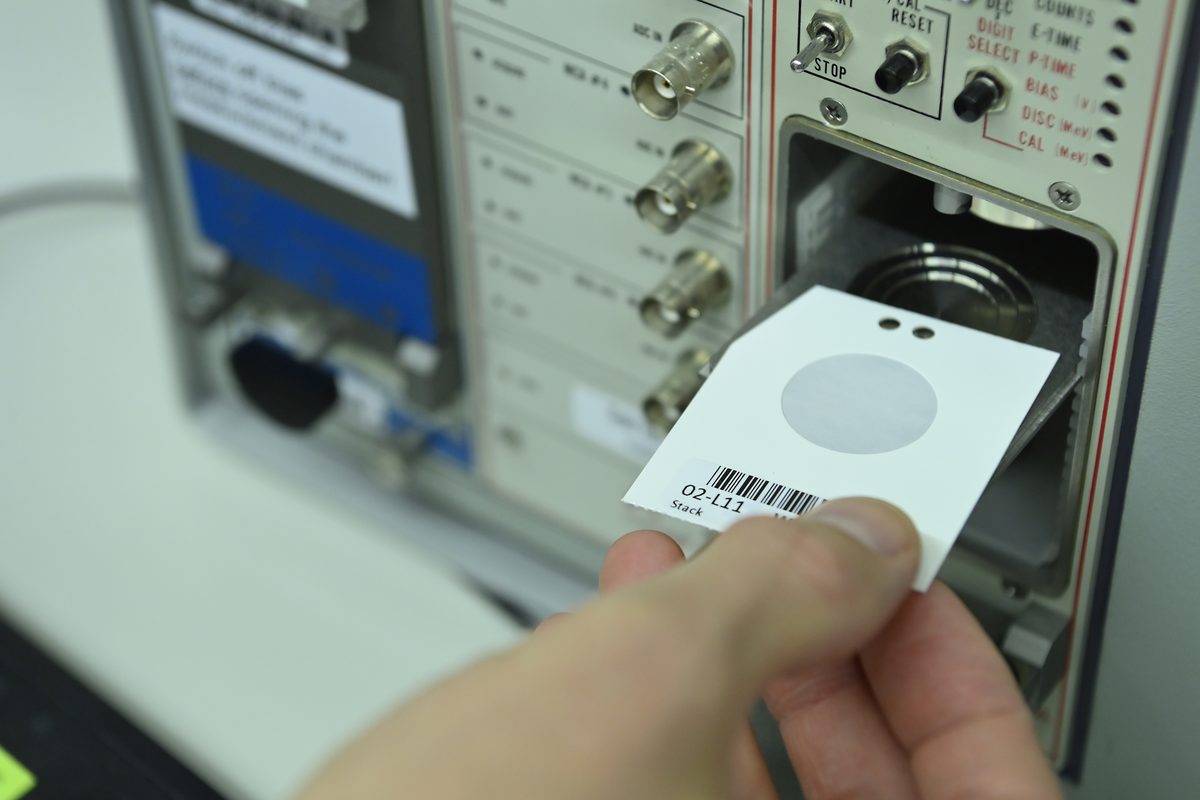
FOI's Kiruna filter archive is the airborne-DNA equivalent: material preserved for one purpose (radionuclide monitoring) turning out to hold answers to entirely different questions decades later.