
Pull to refresh
Logo
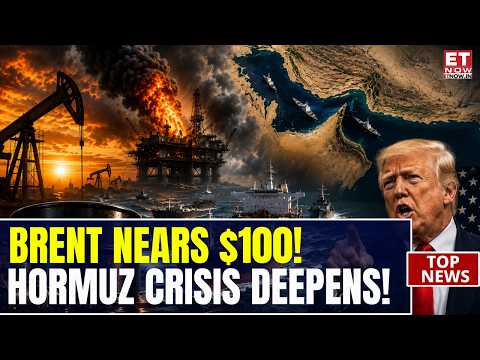
Brent crude nears $100 as Strait of Hormuz shipping halves

Brent crude nears $100 as Strait of Hormuz shipping halves

Force in Play

Brent crude tops $100 as US-Iran tanker strikes escalate, cutting Hormuz traffic to six vessels a day

3 days ago: Brent crosses $100 as US and Iran exchange tanker strikes

Overview

Updated 3 days ago

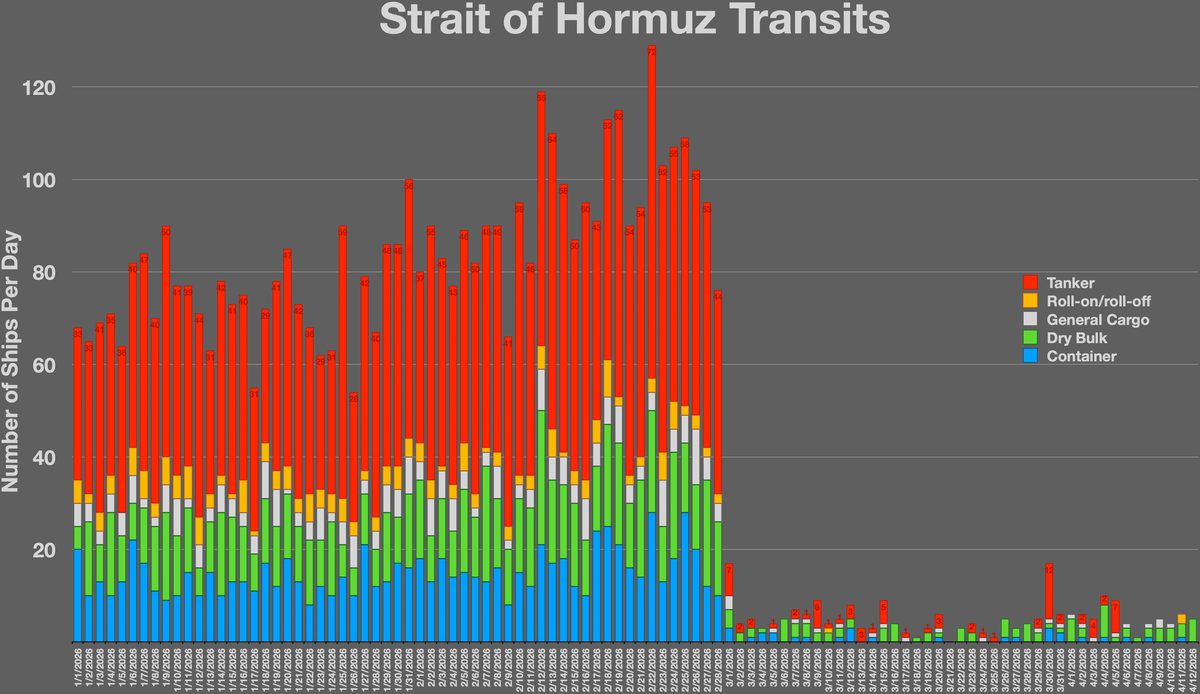
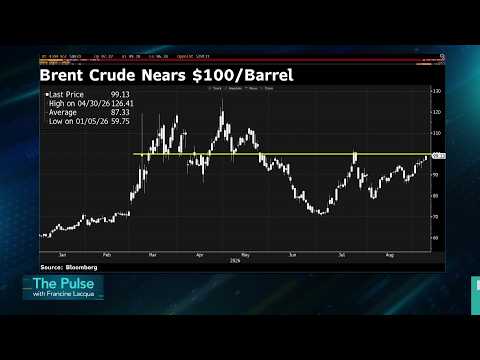
Brent crude crossed $100 a barrel on September 9, the first time since July, after Iran said it attacked 10 ships near the Strait of Hormuz and the US destroyed five Iranian tankers. The tit-for-tat strikes, the biggest wave on shipping since the war began, cut tanker traffic through the strait to about half its pre-conflict level; Kpler counted only six commodity vessels crossing on Tuesday.

Crude is up more than 60% since January, US diesel tops $5.90 a gallon, and Goldman Sachs warns that intensified attacks could push Brent to $120. Bank of America raised its second-half forecast to $83 a barrel, while Wood Mackenzie projects a 1.4 million barrel a day drop in refining throughput in Q4 if the conflict lasts through December.

Why it matters

If Brent holds near $100, fuel and transport costs climb worldwide, feeding inflation in every economy that imports energy.

Questions about this story

Free account needed to ask — your question is kept and asked for you right after sign-up. Answers are public.

No questions yet — be the first to ask.

Key Indicators

$100+
Brent crude price, September 9
Crossed $100 for the first time since July after US-Iran tanker strikes.
6
Cargo ships crossing Ormuz, September 8
Kpler data shows only six commodity vessels crossed Tuesday, down from nine a day earlier and well below the 10-day average of 12.

Voices

Curated perspectives — historical figures and your fellow readers.

Ever wondered what historical figures would say about today's headlines?

Sign up to generate historical perspectives on this story.

People Involved

Organizations Involved

Timeline

February 2026 September 2026

14 events Latest: 3 days ago Showing 8 of 14
Tap a bar to jump to that date
  1. Brent crosses $100 as US and Iran exchange tanker strikes

    Latest Market

    Brent crude rose above $100 a barrel for the first time since July after Iran attacked 10 ships near Hormuz and the US destroyed five Iranian tankers.

  2. Iran attacks 10 ships near Strait of Hormuz

    Conflict

    Iran's Revolutionary Guard says it hit 10 ships, including two US vessels, after the US sank five Iranian tankers in the biggest wave of shipping attacks since the war began.

  3. Oil traffic through Hormuz falls to six vessels

    Market

    Only six commodity vessels crossed the Strait of Hormuz on Tuesday, down from nine a day earlier, according to ship-tracking firm Kpler.

  4. Houthis strike Saudi oil facilities; Brent nears $100

    Conflict

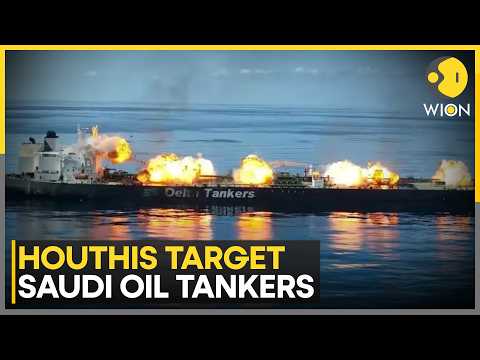
    Dozens of missiles and drones hit Aramco installations and Khamis Mushait; 73 wounded. Brent hits $99.46, WTI $94.73.

  5. Iran announces maritime exclusion zone for Hormuz

    Government action

    Tehran says ships must get Iranian approval to transit the strait; details to be unveiled. The move follows US strikes on Iranian tankers.

  6. Saudi Arabia strikes Houthi targets in Yemen

    Conflict

    Saudi-led coalition bombs Taiz and Marib provinces after Houthi attacks on Saudi oil sites. Analysts call it a spiral of escalation.

  7. Wood Mackenzie warns of refining hit if conflict extends

    Analyst action

    Projects 1.4 million barrels a day lower global refining throughput in Q4 if disruptions last to December. Asia would bear the largest impact.

  8. Goldman raises forecasts; US reports 100 vessels intercepted

    Analyst action

    Goldman lifts Brent forecast to $85 and warns of $120 risk. US says it intervened on roughly 100 ships in Ormuz.

  9. Seven killed in coalition strike on Al Jauf prison

    Conflict

    Houthis report deaths, including one child, from Saudi-led coalition bombing.

  10. OPEC+ holds output steady

    Decision

    Alliance pauses production increases, leaving no spare supply cushion.

  11. US strikes Iranian oil tankers in Gulf

    Conflict

    US forces hit three Iranian tankers, sinking one, after Iran launched ballistic missiles toward US Navy ships.

  12. Brent last settles above $100

    Market

    Brent crude closes above $100 for the last time before the September surge.

  13. Houthis threaten Saudi maritime blockade

    Conflict

    Rebels threaten to block Saudi Arabia by sea at Bab al-Mandeb strait.

  14. War begins, Iran restricts Hormuz navigation

    Conflict

    Hostilities erupt; Tehran restricts shipping in the Strait of Hormuz, prompting a US blockade.

Scenarios

1

Brent breaks $120 as Hormuz attacks intensify

Possible Resolves by End of 2026

Discussed by: Goldman Sachs, whose analysts warned that intensified attacks on tankers could push Brent to $120 a barrel

A direct strike on vessels transiting Hormuz, or significant damage to Saudi export terminals, forces the market to price in physical supply losses rather than just risk. OPEC+ already holds output unchanged, so no spare capacity exists to blunt the spike. The International Energy Agency would likely release emergency reserves, but the price overshoot could still occur first.

2

Ceasefire reopens the strait, Brent retreats below $90

Possible Resolves by End of 2026

Discussed by: Iranian officials insisting Tehran opposes war; Pakistan is mediating talks

A negotiated settlement between the United States and Iran lifts Tehran's navigation restrictions and ends the US blockade. Tanker traffic returns to normal levels within weeks, and the geopolitical risk premium drains out of the price. Saudi export capacity resumes along with Iranian supply, pulling Brent below its current forecast range.

3

Prolonged disruption holds Brent near $100 through year-end

Likely Resolves by End of 2026

Discussed by: MacroYield analysts, who say near-term risks remain skewed upward; OPEC+ producers maintaining current output

No settlement emerges, attacks continue at the current tempo, and tanker traffic stays depressed. OPEC+ declines to add supply, and Goldman's December forecast of $85 proves conservative as the market keeps pricing in a long conflict. Brent settles into a $90-105 range rather than breaking decisively in either direction.

4

Major infrastructure damage pushes Brent to $150

Unlikely Resolves by End of 2026

Discussed by: Bank of America analysts

If the conflict expands and causes major damage to energy infrastructure, Bank of America sees Brent reaching $150 a barrel. This would require strikes on refineries, export terminals, or pipelines that take significant capacity offline for months.

Historical Context

3 moments from history that rhyme with this story — and how they unfolded.

October 1973

1973 oil embargo

Arab members of OPEC cut oil production and embargoed the United States and the Netherlands in response to US support for Israel in the Yom Kippur War. Prices quadrupled from about $3 to $12 a barrel within months.

Then

Gasoline lines formed across the US; the dollar weakened; the embargo ended in March 1974 after diplomatic settlements.

Now

The shock drove the creation of the International Energy Agency and strategic petroleum reserves; oil became a permanent geopolitical weapon.

Why this matters now

Shows how a concentrated choke point with political control can translate directly into price shocks — the same mechanism at work in Hormuz today.

1978-1979

1979 Iranian Revolution

Strikes in Iran's oil fields cut exports from roughly 5 million barrels a day to near zero. Panic buying and hoarding pushed prices from about $14 to $39 a barrel in a year.

Then

Recession in Western economies; inflation surged; the US imposed oil price controls that worsened shortages.

Now

Illustrated that the threat of supply loss, not just actual loss, can move prices — another feature of the current market.

Why this matters now

Today's risk premium is doing what the 1979 panic did: prices rising on fear of what could happen more than on measured supply loss.

August 1990 - February 1991

1990-91 Gulf War

Iraq invaded Kuwait, removing about 4.5 million barrels a day of supply from the market. Brent surged from about $17 to $36 and fell back once Saudi Arabia raised output and Coalition forces secured the region.

Then

Prices spiked for months, then collapsed to pre-invasion levels within a year as spare capacity was deployed.

Now

Showed that a Middle East supply shock can be reversed quickly if no permanent infrastructure damage occurs.

Why this matters now

A model for Scenario 2 — if Hormuz reopens and production survives intact, prices may fall as fast as they rose.

Sources

(25)