

July 2000–2016
Plan Colombia (2000–2016)
The United States committed roughly $10 billion to Colombia's fight against the FARC insurgency and cocaine traffickers, combining military aid, aerial coca eradication, and judicial reform.
Then
Coca cultivation and homicide rates fell substantially through the late 2000s, and FARC combatants were pushed to peace negotiations.
Now
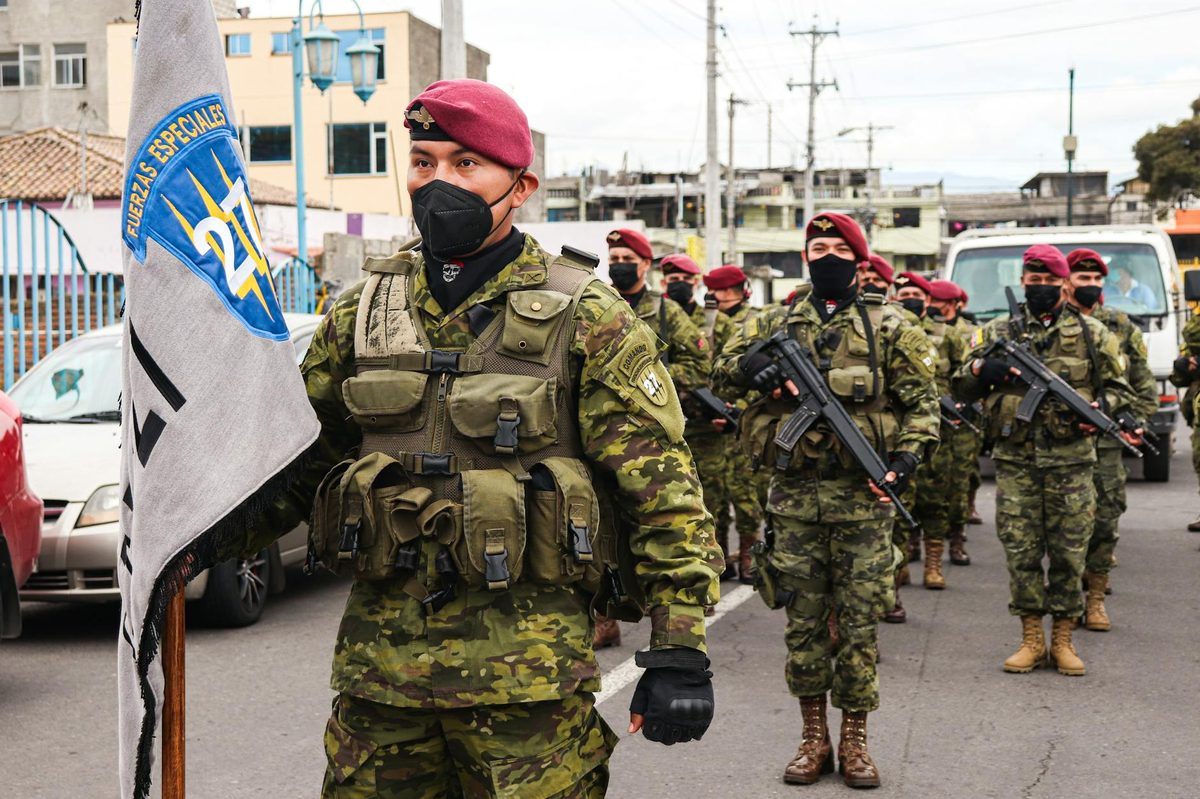
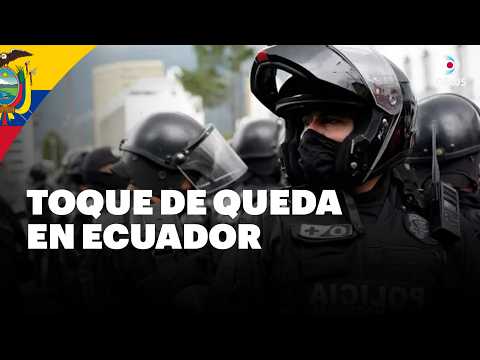
Cocaine production migrated to Peru and Ecuador's coastal corridors, fueling the trafficking ecosystem now driving Ecuador's crisis — the unintended consequence Quito is living through today.
Why this matters now
Ecuador's homicide surge is in part the downstream effect of successful interdiction elsewhere; any solution that ignores regional trafficking dynamics risks displacing the violence rather than resolving it.