Pull to refresh
Logo
Daily Brief
Following
Why Ranks Sign Up
African governments expand social media shutdowns during unrest

African governments expand social media shutdowns during unrest

Rule Changes

Gabon joins growing list of nations blocking platforms to suppress protest organizing

February 19th, 2026: NetBlocks Confirms Restrictions, VPN Demand Surges

Overview

Gabon's media regulator announced the indefinite suspension of Facebook, TikTok, WhatsApp, YouTube, and Instagram on February 17, 2026, as teachers entered their third month of strikes and civil servants threatened walkouts. The government cited false information and cyberbullying; the opposition called it a constitutional violation designed to suppress dissent. VPN demand spiked 8,000% within hours.

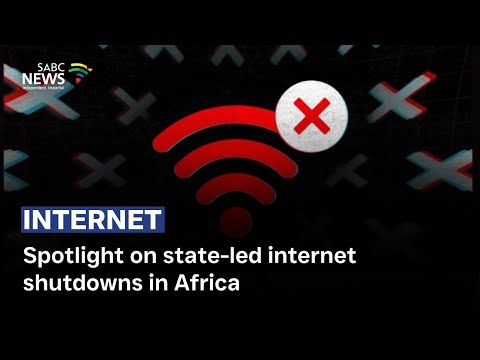
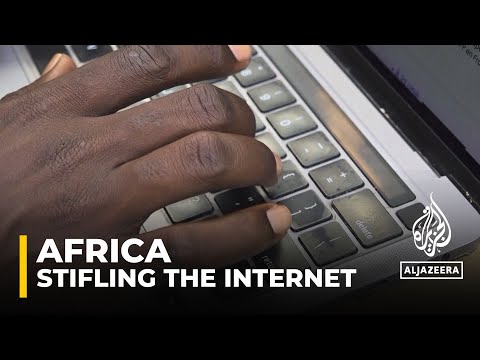
The shutdown follows a now-familiar script across the continent. Africa recorded 21 internet shutdowns in 2024—a regional record—costing economies over $1.6 billion. From Egypt's 2011 blackout during the Arab Spring to Nigeria's seven-month Twitter ban in 2021, governments have increasingly reached for the digital kill switch during moments of political pressure. The question is whether it works: research suggests shutdowns often escalate rather than suppress protest, while imposing steep economic costs on businesses that depend on social platforms.

Key Indicators

8,000%
VPN demand spike in Gabon
Immediate surge as users sought to circumvent the social media ban
21
African internet shutdowns in 2024
Highest number ever recorded in a single year for the region
$1.6B
Economic losses from shutdowns
Cost to sub-Saharan African economies from internet disruptions in 2024
296
Global shutdowns in 2024
Total internet shutdowns worldwide across 54 countries—35% increase since 2022

Voices

Curated perspectives — historical figures and your fellow readers.

George Orwell

George Orwell

(1903-1950) · Modernist · satire

Fictional AI pastiche — not real quote.

"The authorities, having learned nothing from every failed censorship in history, have once again discovered that the surest way to convince a population something is true is to make it illegal to say."

Dorothy Parker

Dorothy Parker

(1893-1967) · Jazz Age · wit

Fictional AI pastiche — not real quote.

"How very modern of these governments to silence the people — and how very old of them to imagine silence is the same as peace."

Ever wondered what historical figures would say about today's headlines?

Sign up to generate historical perspectives on this story.

Play

Exploring all sides of a story is often best achieved with Play.

Log in to play. Track your picks, climb the leaderboards. Log in Sign Up
Predict 4 ways this could play out. Contrarian picks score more — points lock when the scenario resolves. Log in to play

People Involved

Organizations Involved

Timeline

  1. NetBlocks Confirms Restrictions, VPN Demand Surges

    Verification

    NetBlocks verified that Meta services, YouTube, and TikTok were restricted in Gabon. VPN demand spiked 8,000% as citizens sought to circumvent the ban.

  2. Opposition Denounces Ban as Unconstitutional

    Response

    Former Prime Minister Alain-Claude Bilie-By-Nze called the shutdown an 'incomprehensible' abuse of power and urged citizens to mobilize against it.

  3. Gabon Suspends Social Media Indefinitely

    Shutdown

    Gabon's High Authority for Communication announced the immediate suspension of Facebook, TikTok, WhatsApp, YouTube, and Instagram, citing false information and threats to public order.

  4. Gabon Arrests Protest Leaders

    Repression

    Authorities arrested teachers' union leaders Marcel Libama and Simon Ndong Edzo. The SOS Education collective suspended negotiations until their release.

  5. Gabon Teachers Begin Strike

    Protest

    Teachers across Gabon began strike action over pay and working conditions, citing a decade-old wage freeze imposed under the Bongo government.

  6. Oligui Wins Gabon Presidential Election

    Political

    Brice Oligui Nguema won Gabon's first post-coup election with over 90% of the vote, generating high expectations for improved living standards.

  7. Sudan Internet Blackout Begins

    Shutdown

    Warring factions in Sudan caused nationwide internet outages that would persist for over 500 days, costing the economy $1.12 billion.

  8. Gabon Military Coup Ends Bongo Dynasty

    Political

    General Brice Oligui Nguema led a coup overthrowing President Ali Bongo, ending 56 years of family rule. VPN demand spiked 25,000% during the political uncertainty.

  9. Nigeria Bans Twitter

    Shutdown

    Nigeria blocked Twitter after the platform removed posts by President Buhari. The ban lasted seven months and was later ruled unlawful by the ECOWAS Court.

  10. Uganda Shuts Internet for Election

    Shutdown

    Uganda imposed a five-day total internet blackout during presidential elections, costing an estimated $8.9 million and drawing international condemnation.

  11. Uganda Introduces Social Media Tax

    Policy

    Uganda imposed a daily tax of approximately $0.50 to access social media platforms, forcing users to pay to use WhatsApp, Facebook, and Twitter.

  12. Egypt Blocks Twitter, Then Facebook

    Precedent

    Egyptian authorities blocked Twitter, then Facebook, before ordering a complete internet shutdown on January 27 during Arab Spring protests. The blackout cost an estimated $90 million and research suggests it escalated rather than suppressed protests.

Historical Context

Egypt Internet Blackout (2011)

January 2011

What Happened

Facing mass protests in Tahrir Square, President Hosni Mubarak ordered Egypt's four major internet service providers to cut service entirely on January 27, 2011. The shutdown disconnected 80 million people and cost an estimated $90 million over five days.

Outcome

Short Term

Rather than suppressing protests, the blackout pushed demonstrators into the streets. Without online coordination, protests decentralized and expanded.

Long Term

Mubarak fell 18 days after ordering the shutdown. The event established that internet blackouts can backfire, accelerating rather than preventing regime change.

Why It's Relevant Today

Gabon's government faces similar calculus: shutdowns impose real costs and may energize opposition rather than silence it. The Egypt case became a foundational study in why digital repression often fails.

Nigeria Twitter Ban (2021-2022)

June 2021 - January 2022

What Happened

Nigeria blocked Twitter for seven months after the platform removed posts by President Muhammadu Buhari. The government demanded Twitter register locally and pay taxes before restoring access. Businesses and civil society used VPNs to maintain access.

Outcome

Short Term

Twitter eventually complied with some government demands and access was restored in January 2022.

Long Term

The ECOWAS Court ruled the ban unlawful, establishing regional legal precedent that such shutdowns violate freedom of expression. The ruling has been cited in subsequent digital rights cases.

Why It's Relevant Today

Nigeria's case shows both the limits and precedents of African social media bans. Gabon faces similar legal vulnerabilities, though regional court rulings have proven difficult to enforce.

Uganda Election Shutdown (2021)

January 2021

What Happened

President Yoweri Museveni ordered a complete internet blackout for five days surrounding the January 14, 2021 presidential election, which he won against opposition challenger Bobi Wine. The shutdown cost an estimated $8.9 million.

Outcome

Short Term

Museveni claimed victory, though international observers could not verify results without internet access.

Long Term

The shutdown became a template for African election manipulation. Studies showed it damaged public trust and international standing without eliminating political opposition.

Why It's Relevant Today

Uganda demonstrates how shutdowns have become a standard tool in the African authoritarian playbook. Gabon's use during labor unrest—rather than elections—shows the tactic expanding to new contexts.

Sources

(10)