
Pull to refresh
Logo
Deadly magnitude 7.4 earthquake strikes western Colombia

Deadly magnitude 7.4 earthquake strikes western Colombia

Built World

Colombia's strongest quake this century kills 331; the response shifts from rescue to rebuilding as remote areas await aid

August 31st, 2026: MSF warns remote communities still lack care

Overview

Updated Sep 3

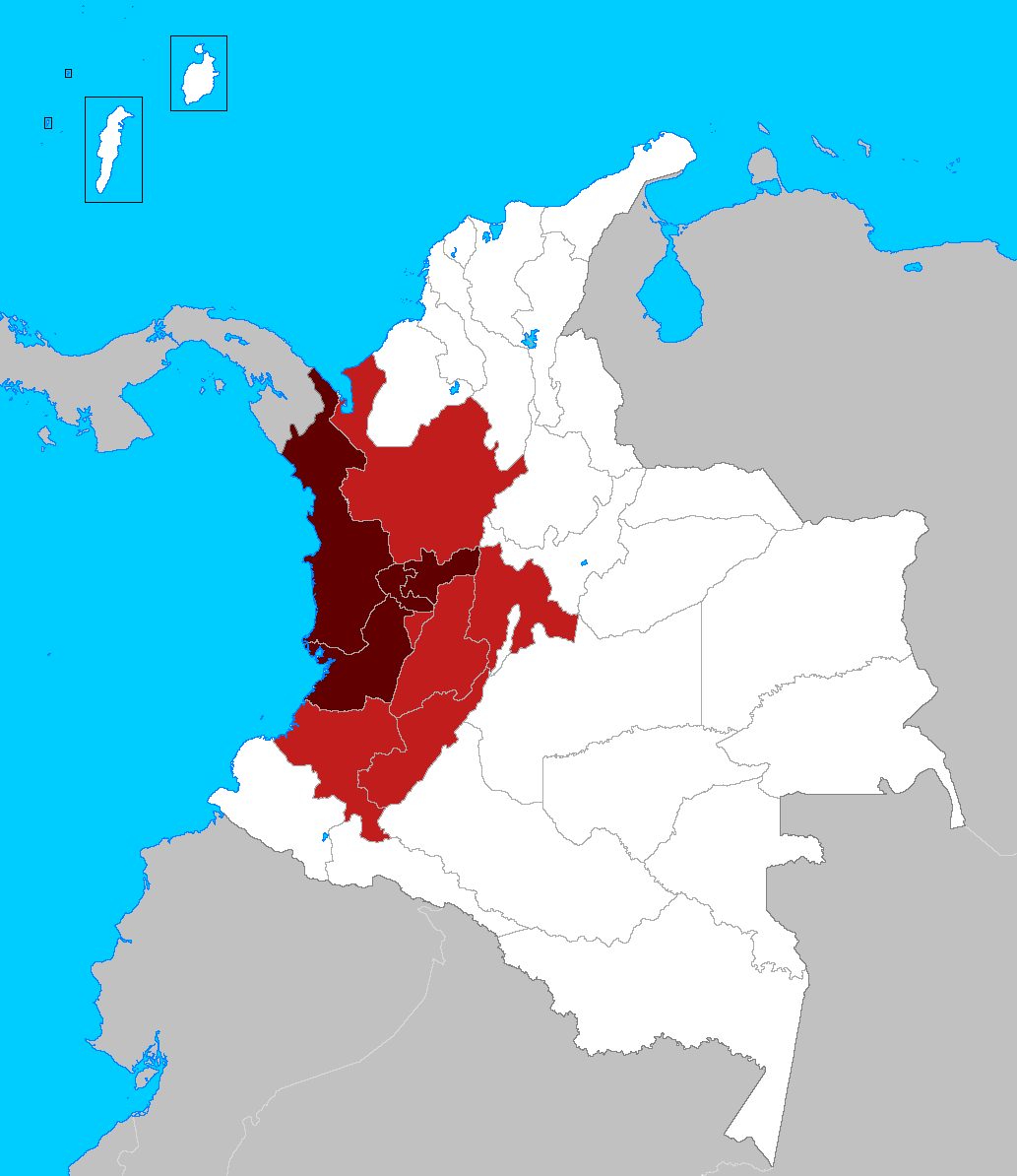
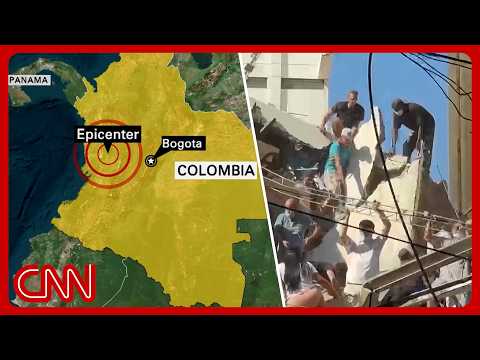
At 7:34 a.m. on August 10, a magnitude 7.4 earthquake struck near San José del Palmar in western Colombia's Chocó department. It was the strongest quake Colombia has recorded this century. The official death toll has reached 331.

The rupture occurred 110 km underground, inside the Nazca plate sliding beneath South America. Shaking spread across Colombia and into Ecuador, Panama, and Venezuela. Three hospitals collapsed, 31,540 homes were destroyed, and Médecins Sans Frontières (MSF) says remote communities in Chocó and Valle del Cauca still lack medical care and shelter.

Why it matters

Colombia's strongest quake this century killed 331 and destroyed 31,540 homes; rebuilding will test its new president and disaster systems for years.

Questions about this story

Free account needed to ask — your question is kept and asked for you right after sign-up. Answers are public.

No questions yet — be the first to ask.

Key Indicators

7.4
Moment magnitude
USGS-reviewed magnitude; Colombia's Geological Service recorded the same. The quake is the strongest in Colombia this century.
331
Reported deaths
Official toll from Colombia's National Unit for Disaster Risk Management (UNGRD) on August 25; 4,439 people were injured and 240 remain missing.
31,540
Homes destroyed
UNGRD count as of August 25, with 178,555 more homes damaged and 603 buildings collapsed.
110 km
Hypocentral depth
Intermediate-depth rupture inside the subducting Nazca plate; depth spread shaking widely but limited total collapses.
361,353
People affected
UNGRD figure spanning 494 municipalities in 16 departments as of August 25.

Voices

Curated perspectives — historical figures and your fellow readers.

Ever wondered what historical figures would say about today's headlines?

Sign up to generate historical perspectives on this story.

People Involved

Organizations Involved

Timeline

12 events Latest: August 31st, 2026 · 1 week ago Showing 8 of 12
Tap a bar to jump to that date
  1. MSF warns remote communities still lack care

    Latest Humanitarian

    Three weeks after the quake, MSF runs mobile clinics in Buenaventura, Quibdó and Medio Baudó. The group reports widespread anxiety, insomnia and fear of aftershocks, and says communities face a 'double or even triple burden' of earthquake damage, armed conflict and flooding.

  2. USGS feed lists quake with Red alert

    Status

    USGS Significant Earthquakes feed lists the quake with a Red PAGER alert.

  3. Death toll reaches 331; UNGRD details destruction

    Casualties

    Colombia's disaster agency reports 4,439 injured and 240 missing. It counts 31,540 homes destroyed and 178,555 damaged. The government declares an economic, social and ecological emergency to speed reconstruction.

  4. Hopes fade as crews pull more bodies from rubble

    Rescue

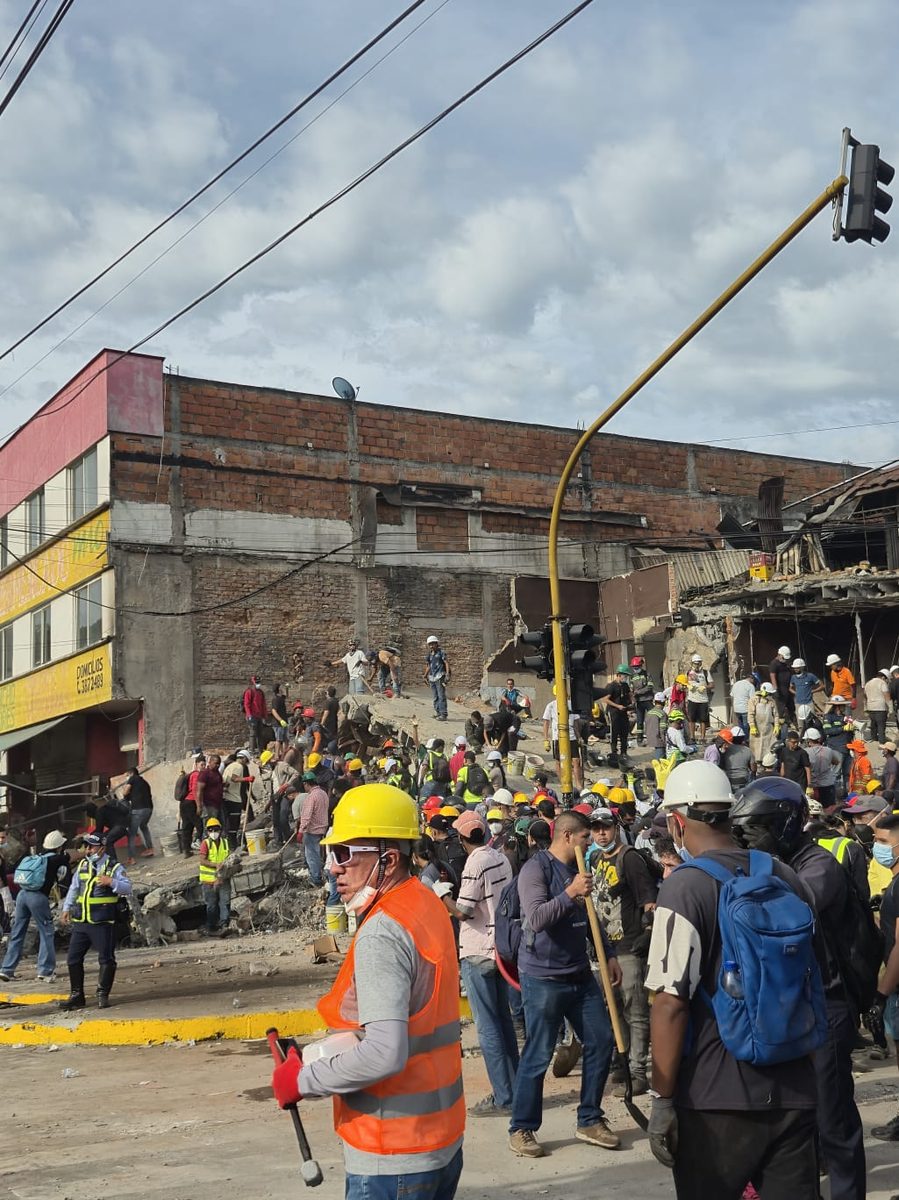
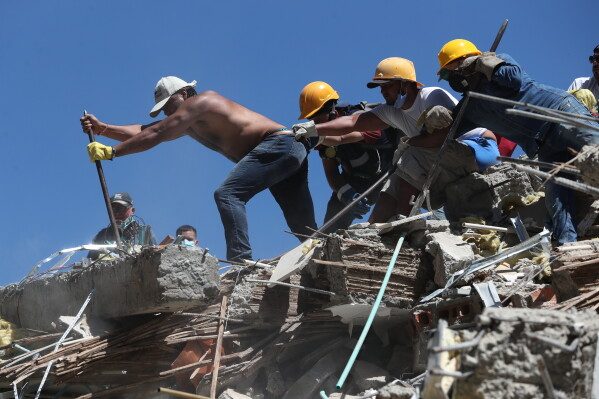
    Five days after the quake, crews recover more bodies from collapsed buildings. The toll stands at 273 dead with about 377 missing, and the search shifts toward recovery.

  5. Rescuers report signs of life in Cali and Pereira

    Rescue

    Pereira's mayor says rescuers made contact with a woman calling for help in a collapsed hotel. Authorities in Cali report at least three people trapped under rubble, but the survival window is narrowing at 96 hours.

  6. Rescue enters 'final phase' as death toll passes 265

    Government response

    President De La Espriella reports at least 265 dead and nearly 500 missing; civilian-run databases list more than 4,100. Officials say the first 72 hours have passed and the window for finding survivors is closing.

  7. Magnitude 7.4 earthquake strikes western Colombia

    Earthquake

    Strongest quake this century hits near San José del Palmar; felt in Ecuador, Panama, Venezuela.

  8. Aftershocks follow within hours

    Earthquake

    A magnitude 4.8 aftershock strikes 44 minutes later; a 3.8 follows at 10:01 local.

  9. Colombia declares national emergency

    Government response

    President De La Espriella reports 111 dead and prioritizes rescuing people trapped under rubble.

  10. USGS and GDACS issue Red alerts

    Alert

    USGS PAGER and GDACS issue Red alerts warning of significant casualties and widespread damage.

  11. Seven airports suspend operations

    Infrastructure

    Flights halt in seven cities pending structural assessments of airport facilities.

  12. United States pledges $15.5 million in aid

    International response

    State Department commits emergency funds for shelter, food, and protection for survivors.

Scenarios

1

Final death toll exceeds 200

Uncertain Resolves by End of 2026

Discussed by: Rescue officials quoted by AP and Reuters

Search teams are clearing rubble in Pereira, Cali, Quibdó, Manizales, and Armenia, where 188 people were initially listed as missing. The toll rose from 111 to 169 within hours, and missing people often end up counted among the dead. If a substantial share of the 188 missing are found dead, the official toll will pass 200.

2

Magnitude 6 or stronger aftershock hits the quake zone

Unlikely Resolves by Feb 10, 2027

Discussed by: USGS and Colombian Geological Service seismologists

Aftershock sequences from intermediate-depth quakes decay over weeks to months, but a 7.4 mainshock can still produce magnitude 5-6 events. A strong aftershock near damaged buildings in the coffee region could trigger new collapses and fresh evacuations while hospitals are already strained.

3

Colombia's Congress passes a reconstruction package

Likely Resolves by Aug 10, 2027

Discussed by: President De La Espriella, who declared an emergency to expedite recovery funding

The emergency declaration lets the government redirect money quickly. Rebuilding three collapsed hospitals, 18 damaged ones, 39 affected schools, and about 5,000 homes requires a multi-year appropriations law. The speed and size of that package will determine how long the worst-hit cities wait for housing and medical care.

4

Remote Chocó communities wait years for reconstruction

Likely Resolves by Aug 10, 2027

Discussed by: MSF field teams in Chocó and Valle del Cauca

MSF says the worst gaps are in areas that already faced poverty, weak healthcare, and armed groups, including Quibdó, Medio Baudó, and Buenaventura. Rivers and mountains separate these communities, and some also face flooding. Rebuilding there may lag behind the cities where damage is more visible.

Historical Context

3 moments from history that rhyme with this story — and how they unfolded.

September 1985

Mexico City earthquake (1985)

A magnitude 8.0 subduction earthquake off Mexico's Pacific coast on September 19, 1985, devastated Mexico City, more than 350 km from the epicenter. Soft lakebed sediments amplified the shaking, collapsing hundreds of buildings and killing roughly 10,000 people.

Then

Mexico overhauled its building code and created a national disaster fund, FONDEN, to finance reconstruction.

Now

The event became the standard case study in how distant earthquakes can devastate cities on soft soils.

Why this matters now

The 2026 quake's shaking reached Ecuador, Panama, and Venezuela, echoing how the 1985 event spread energy far from its source. It shows that a deep or distant quake can still do serious damage.

January 1999

Armenia, Colombia earthquake (1999)

On January 25, 1999, a magnitude 6.2 earthquake struck about 17 km beneath the coffee-region city of Armenia. Roughly 1,190 people died, thousands were injured, and about half the city's homes were damaged or destroyed.

Then

A multi-year reconstruction program rebuilt housing and infrastructure across the Quindío department.

Now

The disaster pushed Colombia to strengthen building codes and reform its disaster response system.

Why this matters now

Armenia was among the worst-hit cities again in 2026. A shallower 6.2 killed roughly 1,190 people there in 1999; the deeper 7.4 has killed 169 so far — depth and building quality shape destruction as much as magnitude.

January 2010

Haiti earthquake (2010)

A magnitude 7.0 earthquake ruptured just 13 km beneath Port-au-Prince on January 12, 2010. An estimated 200,000 or more people died as unreinforced masonry buildings collapsed across the capital.

Then

More than a million people were displaced; reconstruction took years.

Now

Haiti's recovery was complicated by a cholera epidemic and weak institutions, a cautionary example of post-quake failure.

Why this matters now

The 2010 quake was slightly weaker than Colombia's 2026 event but killed far more people. The difference is depth: shallow ruptures concentrate energy at the surface, while the 110 km-deep Colombian quake spread it across a vast area.

Sources

(18)