


Pull to refresh
Logo
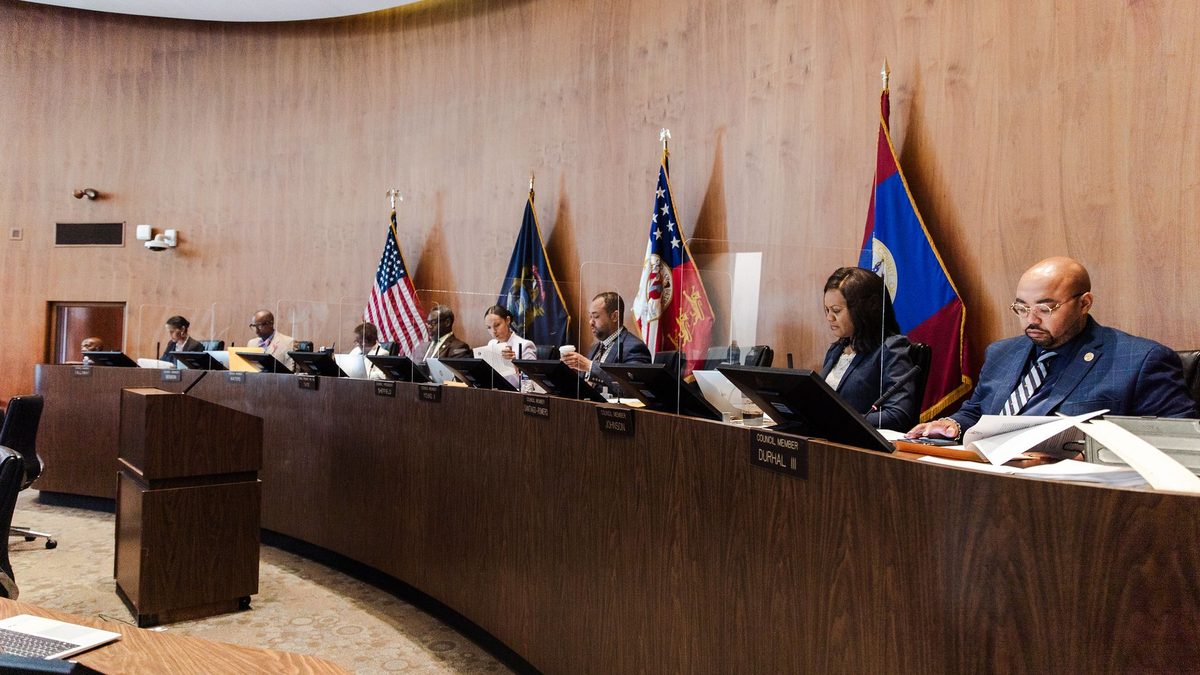
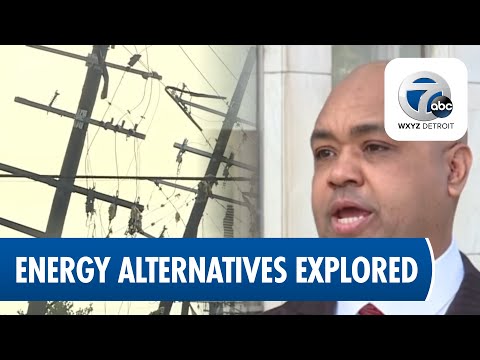
Detroit City Council votes to explore energy alternatives to DTE

Detroit City Council votes to explore energy alternatives to DTE

Rule Changes Detroit, MI local

Council seeks options after years of reliability complaints and rate hikes

3 days ago: Detroit City Council votes to explore energy alternatives

Overview

Updated 3 days ago

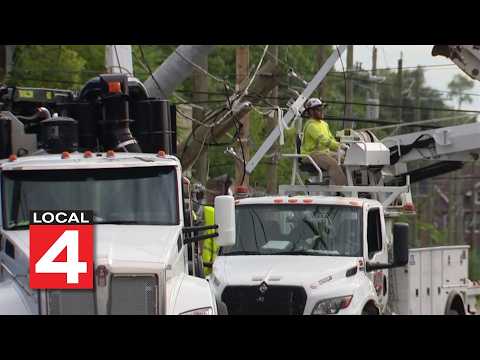
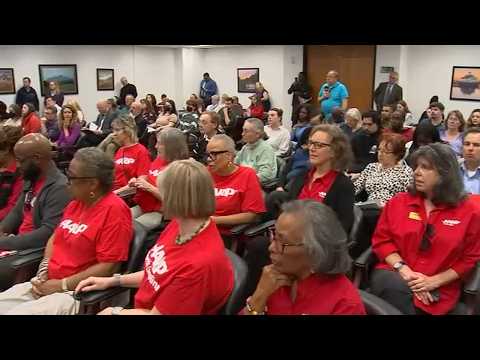
Detroit's city council voted to explore alternatives to DTE Energy, the utility that has supplied the city's electricity for over a century. The vote follows years of complaints about storm response, outages, and a proposed rate hike that would add about $11 to the average monthly bill.

The council's move is the first step toward a possible municipal utility or community choice aggregation, where the city buys power on behalf of residents. Both options would change who controls Detroit's electricity, but either would take years and face legal and financial hurdles.

Why it matters

If Detroit breaks from DTE, it would be one of the largest US cities to leave an investor-owned utility in decades.

Questions about this story

Free account needed to ask — your question is kept and asked for you right after sign-up. Answers are public.

No questions yet — be the first to ask.

Key Indicators

2.2M
DTE electric customers
DTE serves 2.2 million electric customers in Michigan, including most of Detroit.
$12.5B
DTE 2024 revenue
DTE reported $12.5 billion in revenue in 2024.
54%
DTE electricity from coal
About 54% of DTE's electricity was generated from coal in 2022.
$11.06
Proposed monthly rate increase
DTE's April 2026 rate request would add about $11 to the average residential bill.

Voices

Curated perspectives — historical figures and your fellow readers.

Ever wondered what historical figures would say about today's headlines?

Sign up to generate historical perspectives on this story.

People Involved

Organizations Involved

Timeline

January 1886 September 2026

5 events Latest: 3 days ago
Tap a bar to jump to that date
  1. Detroit City Council votes to explore energy alternatives

    Latest Policy

    Council votes to study options beyond DTE, including municipal utility or community choice aggregation.

  2. DTE files rate increase request

    Regulatory

    DTE asks the Michigan Public Service Commission for an $11.06 monthly residential increase.

  3. Detroit Edison renamed DTE Energy

    Rebranding

    The company expands beyond utility operations into energy trading and non-utility businesses.

  4. Detroit Edison Company formed

    Consolidation

    Two competing electric companies merge, consolidating Detroit's power under one utility.

  5. Edison Illuminating Company founded

    Origin

    DTE's earliest direct corporate ancestor begins serving Detroit.

Scenarios

1

Detroit launches municipal utility study

Possible Resolves by End of 2027

Discussed by: Local energy advocates and municipal utility researchers

The council's exploration leads to a formal feasibility study, funded by the city, examining the costs and legal path to creating a municipal utility. The study would take 12-18 months and would face opposition from DTE and questions about the city's ability to finance the purchase of DTE's Detroit assets.

2

Detroit pursues community choice aggregation

Possible Resolves by Q2 2028

Discussed by: CCA advocates and energy policy analysts

The city creates a community choice aggregation program, allowing it to purchase electricity on behalf of residents while DTE continues to maintain the grid. This model has been adopted by dozens of California communities and would require state legislation or MPSC approval.

3

Exploration stalls, DTE keeps monopoly

Likely Resolves by End of 2027

Discussed by: Utility industry observers

The council's exploration produces reports but no structural change. DTE continues as Detroit's sole electricity provider, and the city focuses on regulatory battles over rates and reliability rather than pursuing a break.

Historical Context

3 moments from history that rhyme with this story — and how they unfolded.

1895 - 1974

Detroit Public Lighting Commission merger (1974)

Detroit operated its own public lighting utility for decades, providing street lighting and some residential power. In 1974, the commission was merged into Detroit Edison, consolidating the city's electricity under a single investor-owned utility.

Then

The merger ended Detroit's public power era, making DTE the sole provider.

Now

Detroit has been served by DTE ever since, with no public power option for over 50 years.

Why this matters now

Detroit has a history of public power, and the current exploration is partly about reclaiming that option.

May 2010 - present

California Community Choice Aggregation (2010-present)

Marin County launched the first community choice aggregation program in 2010, allowing the county to buy electricity on behalf of residents while PG&E maintained the grid. The model spread rapidly across California.

Then

Dozens of CCAs now serve millions of customers across California.

Now

CCAs have become a mainstream alternative to investor-owned utilities, though they've faced challenges with power supply and credit ratings.

Why this matters now

Provides a model for Detroit that doesn't require buying DTE's infrastructure, only the right to purchase power.

November 2011 - September 2020

Boulder, Colorado municipalization (2011-2020)

Boulder voters approved a 2011 ballot measure to create a municipal utility to replace Xcel Energy, driven by climate goals and frustration with the investor-owned utility. The city spent over a decade and more than $20 million on studies and legal battles.

Then

Xcel fought the effort, and the two sides negotiated for years without a final break.

Now

In 2020, Boulder and Xcel settled, ending the municipalization effort in exchange for Xcel's commitment to clean energy goals.

Why this matters now

Shows how difficult it is for a city to break from an established utility, even with voter support and significant resources.

Sources

(4)