
Pull to refresh
Logo
Detroit issues building permit for Greenfield Park solar farm

Detroit issues building permit for Greenfield Park solar farm

Built World Detroit, MI local

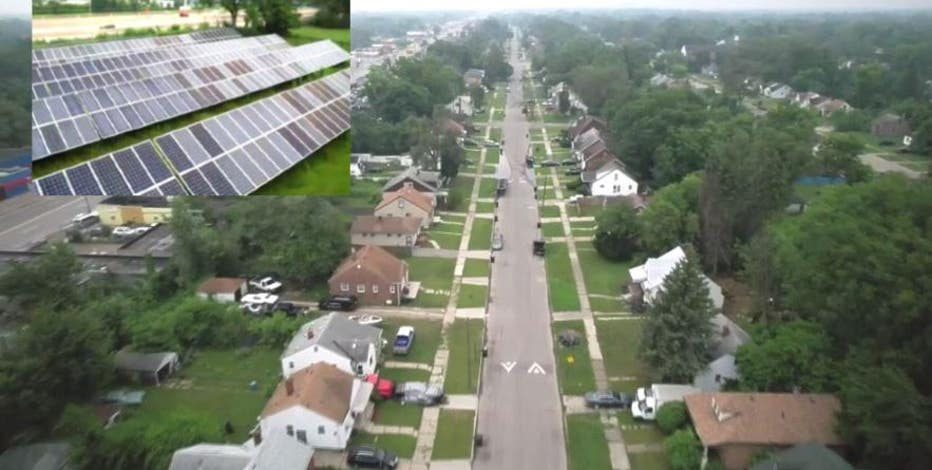
Solar Neighborhoods program turns blighted vacant land into power generation

Overview

Updated Oct 21

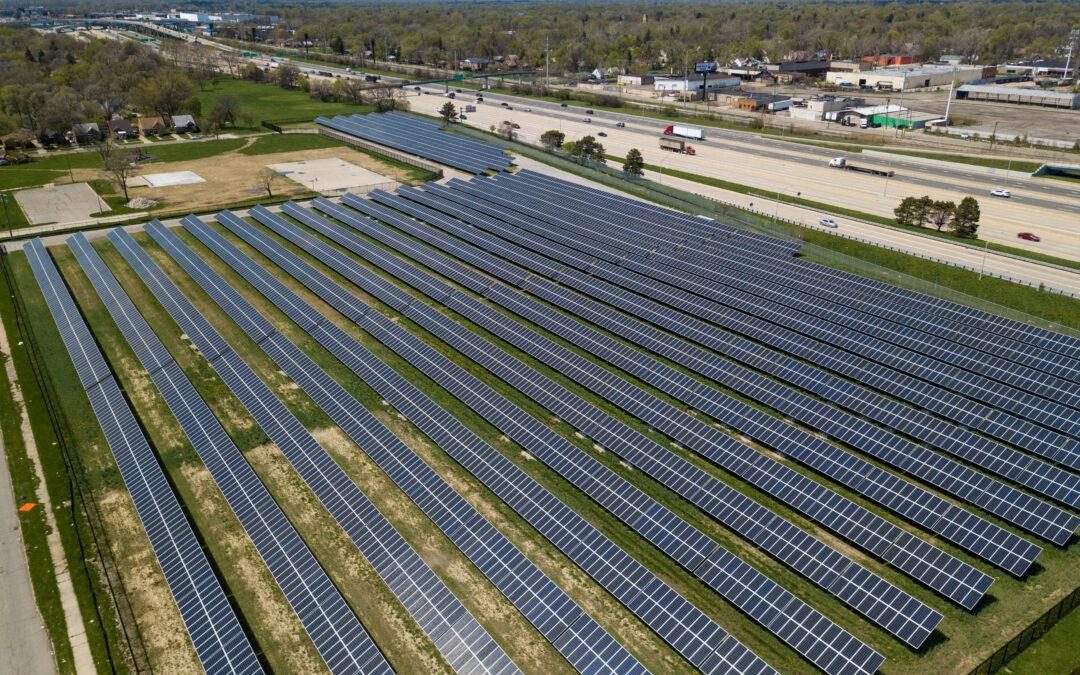
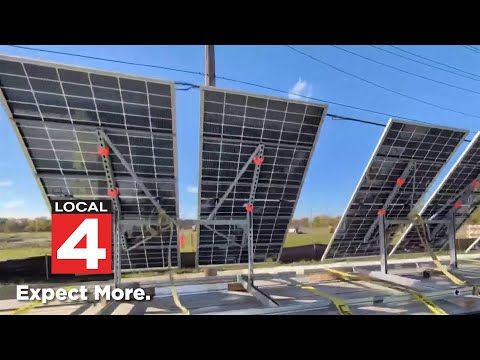
Detroit issued a $7 million building permit on October 14 for a solar farm at 100 E Parkhurst Pl in Greenfield Park. The change-of-use permit covers solar equipment and site work on three parcels the city lists as C-111, C-112 and C-113.

The city's sustainability office lists 167 acres of arrays across all program phases and about 31 megawatts of planned solar, enough to offset electricity used at 127 city buildings. Greenfield Park's array is planned at 10 megawatts, and DTE's published schedule runs construction into September 2027.

Why it matters

If Detroit's solar neighborhoods work, other post-industrial cities gain a template for turning blight into clean energy.

Last Monday's email for Detroit, MI

Sent Nov 9. It carried:

Get next Monday's: one short email a week. Free. Unsubscribe in one click.

Questions about this story

Free account needed to ask — your question is kept and asked for you right after sign-up. Answers are public.

No questions yet — be the first to ask.

Key Indicators

$7.0M
Estimated construction cost on permit
Contractor's estimate for the Greenfield Park solar farm, per permit BLD2026-01304.
10 MW
Greenfield Park array capacity
Planned output for the DTE-built array, per DTE's project page.
31 MW
Planned program solar capacity
21 MW in Phase 1 plus about 9.58 MW expected in Phase 2, per the city's sustainability office.
127
Municipal buildings targeted
Detroit buildings the program aims to offset with solar generation.

Voices

Curated perspectives — historical figures and your fellow readers.

Sign up to generate historical perspectives on this story.

People Involved

Organizations Involved

Timeline

June 2023 October 2026

5 events Latest: October 14th, 2026 · 4 weeks ago
Tap a bar to jump to that date
  1. Building permit issued for Greenfield Park solar farm

    Latest Permit

    BSEED issues $7M change-of-use permit for solar generation at 100 E Parkhurst Pl. Record doesn't specify start or finish dates.

  2. Greenfield Park pre-construction meeting held

    Community Meeting

    DTE and the city hold a pre-construction meeting for the Greenfield Park solar array.

  3. Council file proposes moving Lightstar solar sites to DTE

    Contract

    A Detroit City Council communication dated May 29, 2026, and a draft resolution would amend the city's contract with Lightstar and consent to assigning its solar projects to DTE. Reporting described the amendment as pending, not final.

  4. First three solar neighborhoods announced

    Selection

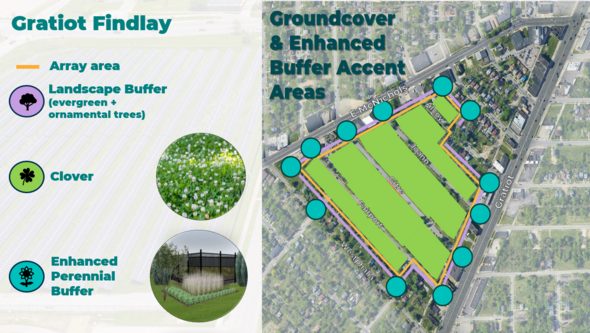
    After a year of community engagement, the city names its first three Solar Neighborhoods: Gratiot/Findlay, Van Dyke/Lynch and State Fair. Mayor Duggan tells residents they have 'not been forgotten.'

  5. Duggan announces Solar Neighborhoods program

    Policy Announcement

    Mayor asks neighborhood groups to apply to host solar fields on blighted vacant land.

Scenarios

1

Greenfield Park array starts generating power

Likely Resolves by End of 2027

Discussed by: DTE Energy and City of Detroit (project page shows active construction planning)

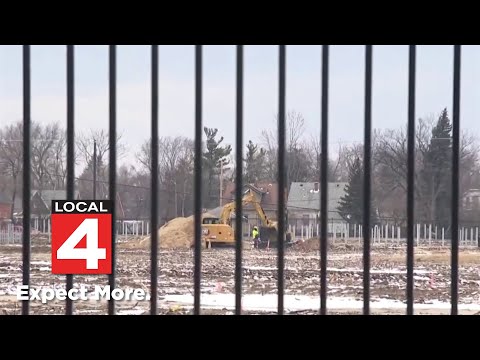
Construction proceeds through 2027. DTE connects the 10 MW array to the grid, and it begins offsetting power for city buildings such as city hall, police, and fire stations.

2

City approves more solar neighborhoods, completing 200-acre goal

Possible Resolves by Q2 2028

Discussed by: Mayor's office (original plan called for full buildout in phases)

The city approves additional sites from the original finalists and permits their solar farms, reaching the full 200-acre buildout. Greenfield Park's construction suggests momentum, but the original Phase 2 target of early 2025 has already slipped.

3

Solar Neighborhoods program stalls short of 200 acres

Possible Resolves by Q2 2028

Discussed by: Planet Detroit and solar advocates (federal funding loss context)

Greenfield Park operates but the city doesn't approve more sites, falling short of its goal. The EPA's termination of the $7 billion Solar for All program cut $156 million in Michigan projects, and remaining federal uncertainty could cool developer interest.

4

DTE takes over Lightstar's Detroit solar sites

Possible Resolves by Q2 2027

Discussed by: City of Detroit contract filing and WDET/Outlier Media reporting

The city would amend its Lightstar contract and let DTE build and operate the three delayed sites under DTE's Voluntary Green Power Program. Council approval is required, and the resolution had not been reported as final.

Historical Context

2 moments from history that rhyme with this story — and how they unfolded.

Spring 2016

Lapeer Solar Project (2016)

DTE and the City of Lapeer broke ground on 45 megawatts of solar at two sites in Michigan's Thumb region. The DeMille Road array became the largest operating utility-owned solar farm east of the Mississippi.

Then

The arrays began generating power for roughly 9,000 homes.

Now

DTE became Michigan's leading renewable investor, spending more than $2 billion since 2008, and helped utilities meet the state's 10% renewable mandate.

Why this matters now

DTE is the same utility now building Detroit's Greenfield Park array. The Lapeer project shows the company already builds large solar at scale in Michigan.

August 2025

EPA terminates Solar for All (2025)

The Environmental Protection Agency terminated the $7 billion Solar for All program, halting $156 million in Michigan projects aimed at bringing solar to low-income households. Several Detroit-area projects lost funding.

Then

Legal challenges followed; the Southern Environmental Law Center said it would sue, and a federal judge ruled the EPA could not freeze existing contracts.

Now

Cities lost a federal funding stream for community solar, pushing them toward utility- and city-funded models.

Why this matters now

Detroit's Solar Neighborhoods continues with city and DTE funding, outside the canceled federal program. Its progress tests whether urban solar can work without Solar for All money.

Sources

(9)