

Pull to refresh
Logo
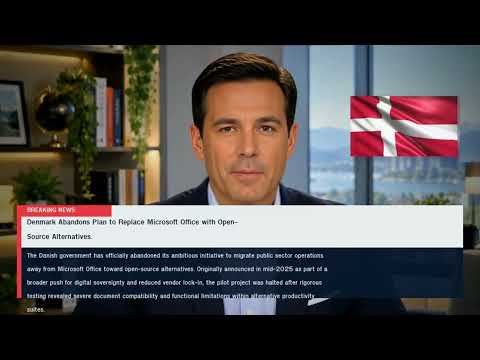
Denmark ends pilot to replace Microsoft Office with open-source Collabora

Denmark ends pilot to replace Microsoft Office with open-source Collabora

New Capabilities

The 38-employee trial ended without an evaluation, and the ministry, Collabora and cBrain now give different accounts of why.

Overview

Updated Nov 2

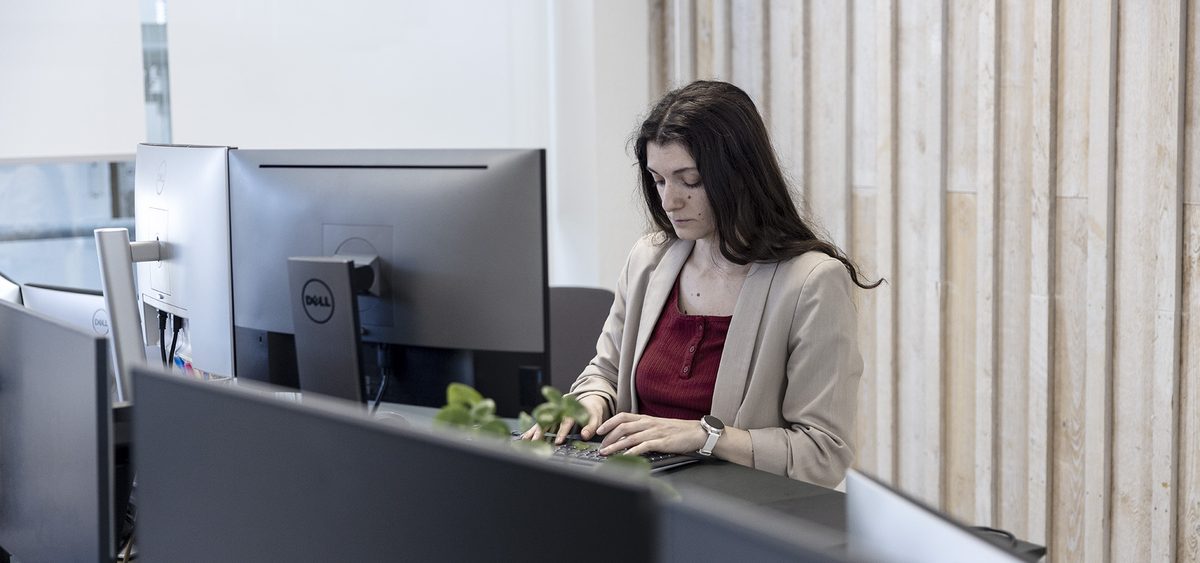
Denmark's 38-employee test of Collabora is over, but the accounts of why still conflict. The ministry says the spring 2026 election call interrupted the pilot before a planned evaluation, while Collabora says a June ministry merger left the trial without a home before assessment and that its engineers fixed the problems testers raised.

cBrain, the Danish firm that integrated Collabora into the ministry's case system, said on November 2 that it had received no status or report since the new government took office. Former digitalization minister Caroline Stage rejected her party colleague Christina Egelund's account that the project was scrapped under her, saying she extended it. Egelund, now research and digitalization minister, said on P1 that the decision was made under the previous minister and that she knows little about why it ended without a full evaluation.

Why it matters

If open-source suites can't handle Microsoft's file formats, European governments' plans to cut U.S. software dependence stay stuck.

Questions about this story

Free account needed to ask — your question is kept and asked for you right after sign-up. Answers are public.

No questions yet — be the first to ask.

Key Indicators

38
Employees in the Collabora pilot
Volunteers at the digitalization ministry who swapped Microsoft Office for Collabora.
0
Employees using Collabora today
No one at the ministry uses the open-source suite now.
Under a year
Pilot lifespan before it ended
Launched June 19, 2025, and ended in spring 2026 when the election was called.

Voices

Curated perspectives — historical figures and your fellow readers.

Sign up to generate historical perspectives on this story.

People Involved

Organizations Involved

Timeline

June 2025 November 2026

9 events Latest: November 2nd, 2026 · 1 week ago
Tap a bar to jump to that date
  1. cBrain says it lacks status update

    Latest Company Statement

    cBrain chief executive Per Tejs Knudsen says the supplier has had no status or report since the new government took office and does not know what the pilot's status is.

  2. Collabora publishes account of paused pilot

    Company Statement

    Collabora says the June reorganization ended the digitalization ministry as a separate ministry and left the pilot without a home before evaluation; it says the first phase worked and it paid for fixes itself.

  3. Stage denies scrapping pilot

    Political

    Former digitalization minister Caroline Stage says on LinkedIn that she extended the project and that nothing was scrapped with her approval, contradicting Christina Egelund's account.

  4. Pilot's quiet end revealed

    Disclosure

    Danish outlets report the trial was abandoned without formal evaluation; Collabora's CEO says it is only paused.

  5. New government merges digitalization ministry

    Political

    The digitalization ministry is folded into the research and education ministry after the new government takes office, leaving the Collabora pilot without its original ministry home.

  6. Denmark calls early election

    Political

    A general election is called in spring 2026. The vote leads to a new government in June, which merges the digitalization ministry into a larger department.

  7. Evaluation workshop never takes place

    Program Update

    The scheduled assessment of four possible outcomes is skipped; testers keep using the suite.

  8. Testers report chronic style problems

    Program Update

    A tester says she is 'going gray' from hours spent fixing document styles that Microsoft templates never reveal.

  9. Collabora pilot launches with 38 employees

    Program Launch

    Digitalization ministry swaps Microsoft Office for Collabora on volunteer testers' computers; formatting bugs appear within the first hour.

Scenarios

1

Collabora trial restarts before 2027

Possible Resolves by End of 2026

Discussed by: Collabora's account of the paused pilot; no restart date announced

Collabora says a June ministry merger paused the pilot before it was evaluated; the ministry says it has no plans to resume and staff no longer use the suite. A restart would require the ministry to agree on staffing, training and a way to handle Microsoft file formats.

2

Denmark stays on Microsoft, drops open-source office plans

Likely Resolves by Q2 2027

Discussed by: Computerworld Denmark, Ingeniøren

With no employees using Collabora and no evaluation conducted, the ministry could simply move on. Separate open-source efforts at other Danish agencies, like the Road Safety Authority's PC test, would continue without touching core office software.

3

Denmark tests a different open-source suite

Unlikely Resolves by End of 2027

Discussed by: Possible alternative given the continued sovereignty push

The pilot's failure does not end Denmark's broader push for digital sovereignty. The ministry could try a different suite, such as a direct LibreOffice deployment, or follow France and the Netherlands in replacing Microsoft Windows on government computers.

Historical Context

2 moments from history that rhyme with this story — and how they unfolded.

2003-2014

Munich LiMux migration (2003-2014)

Munich's city government decided in 2003 to move its computers from Windows to Linux, launching the LiMux project. By 2013, around 15,000 workstations ran Linux. In 2014, the city council voted to return to Windows after years of compatibility complaints from workers.

Then

The migration was partially reversed starting in 2017, with Windows reinstalled citywide.

Now

LiMux became the cautionary example cited against large public-sector open-source moves.

Why this matters now

Like Denmark's pilot, Munich's open-source migration foundered on compatibility problems with office documents and software. It shows that a politically motivated open-source push can fail on technical grounds.

2005-2014

French National Gendarmerie open-source migration (2005-2014)

The French National Gendarmerie began migrating its desktops from Windows to Ubuntu Linux and open-source office software in 2005. It eventually moved tens of thousands of workstations, a deployment often cited as the largest open-source migration in Europe.

Then

The migration cut Microsoft licensing costs and ran for years.

Now

It showed large government open-source migrations can succeed when budgets and training are in place.

Why this matters now

The gendarmerie's success contrasts with Denmark's failed pilot, suggesting the difference lies in execution and expectations, not the software itself.

Sources

(11)