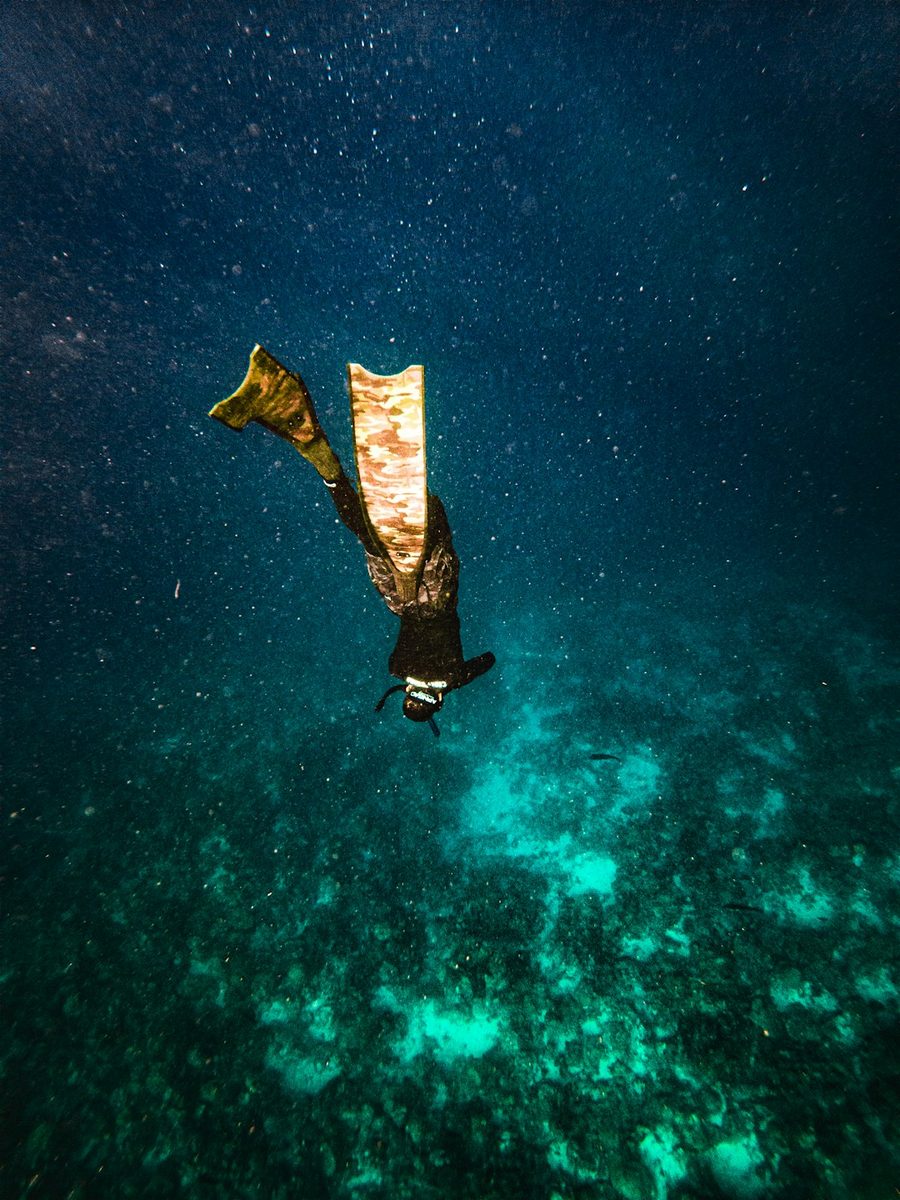
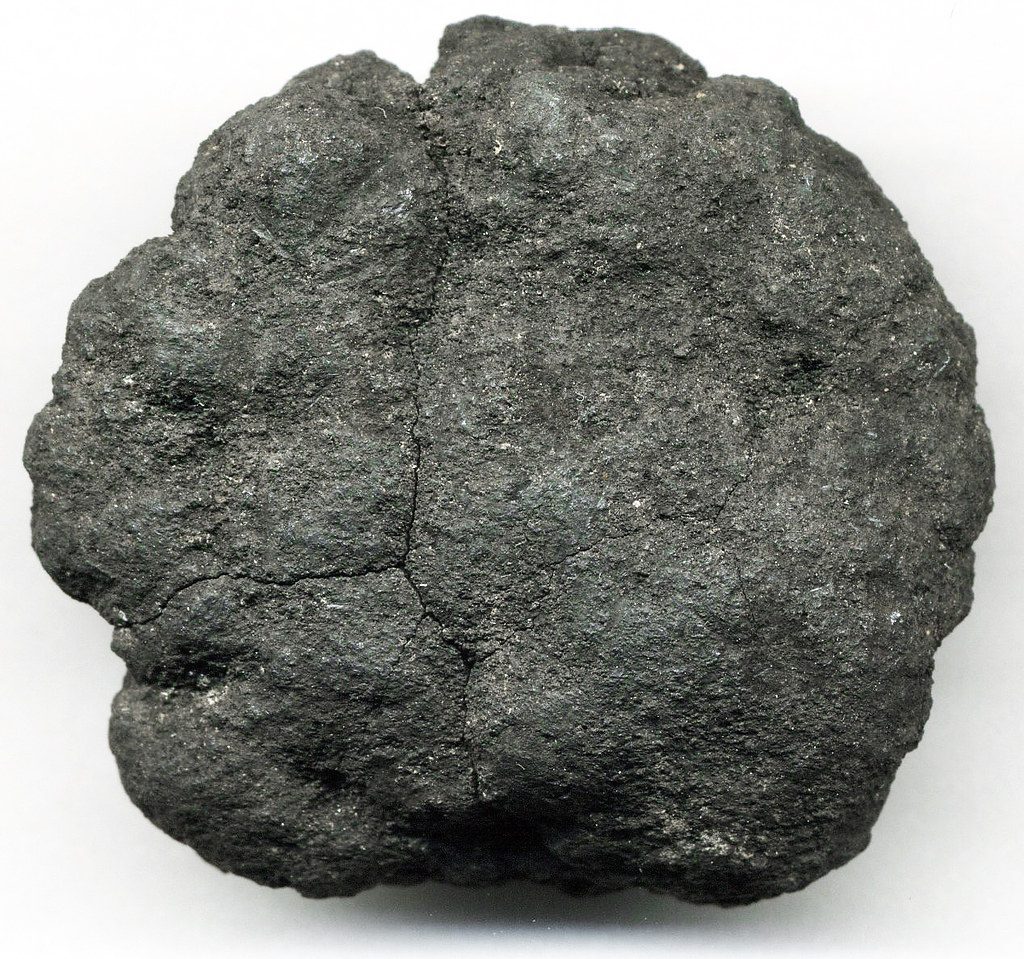
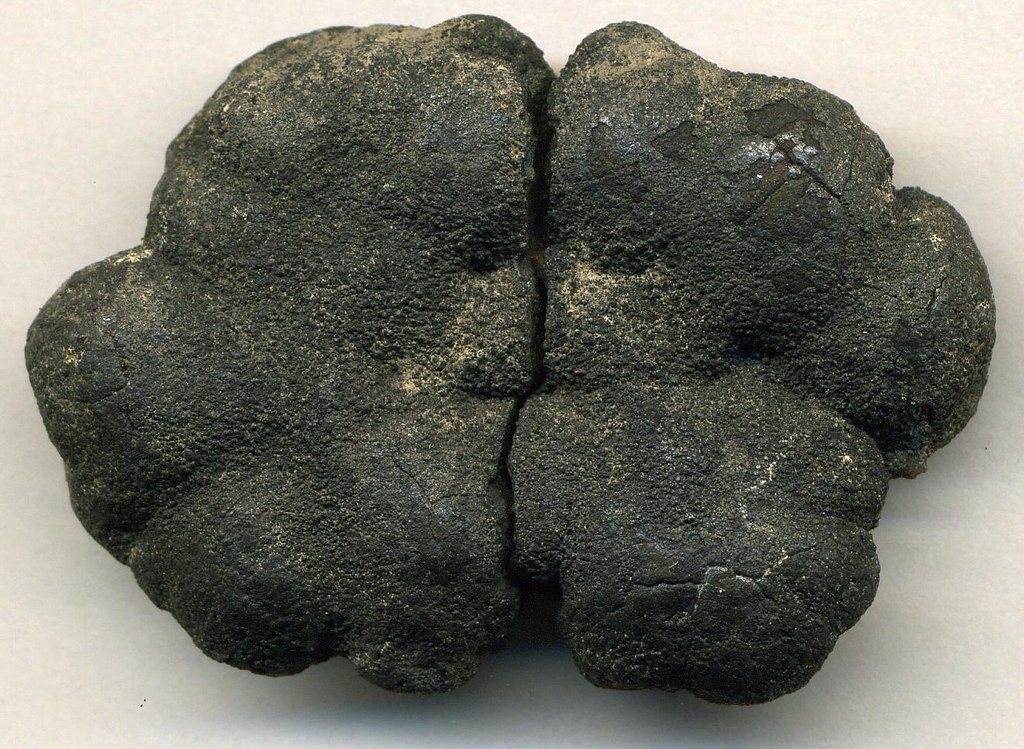
A five-year research expedition has cataloged 788 species living 4,000 meters beneath the Pacific Ocean—90% of them previously unknown to science—just as the race to mine the same seabed accelerates. The study, published in February 2026, documents a 37% decline in animal abundance wherever mining equipment touched the seafloor. It's the first systematic look at what commercial extraction would destroy.
The findings arrive as governments clash over mining rules. In April 2025, the United States bypassed the UN to fast-track permits, while China and Pacific nations pushed to finalize rules, and 38 countries demanded a moratorium.
The Clarion-Clipperton Zone—a Pacific seafloor stretch the size of the continental United States—holds an estimated six times more cobalt and three times more nickel than all known land reserves. These minerals are essential for electric vehicle batteries. Whether this ecosystem gets protected or plundered depends on regulations that don't yet exist.
Questions about this story
Free account needed to ask — your question is kept and asked for you right after sign-up. Answers are public.
No questions yet — be the first to ask.
Key Indicators
788
Species documented
Deep-sea species cataloged by the University of Gothenburg study, approximately 90% previously unknown
37%
Biodiversity decline
Reduction in animal abundance in areas touched by mining equipment
38
Countries seeking pause
Nations calling for a moratorium or precautionary pause on deep-sea mining
65,000 km²
Permit area sought
Size of the commercial recovery zone The Metals Company is seeking from NOAA
17 events
Latest: February 3rd, 2026 · 7 months ago
Showing 8 of 17
JK to step
Tap a bar to jump to that date
Jump to
February 2026
Study Documents 788 Species and Mining Impacts
LatestResearch
University of Gothenburg publishes findings: 788 species cataloged, 90% previously unknown; 37% decline in animal abundance and 32% drop in species diversity in mined areas.
Greenpeace Challenges UK Mining License Transfer
Legal
Environmental group launches legal action against UK government for transferring deep-sea exploration licenses to Glomar Minerals, a firm it calls 'opaque.'
January 2026
TMC Expands Permit Request to 65,000 km²
Industry
The Metals Company files consolidated application with NOAA, more than doubling its initial commercial recovery area.
December 2025
University of Gothenburg Completes Five-Year Survey
Research
Researchers finish cataloging deep-sea life in the Clarion-Clipperton Zone after 160 days at sea, identifying 788 species.
July 2025
ISA Again Fails to Finalize Mining Code
Regulatory
Member states unable to reach consensus at 30th Annual Session. Key disputes remain over environmental thresholds, profit sharing, and whether mining should proceed at all.
April 2025
Trump Signs Deep-Sea Mining Executive Order
Regulatory
U.S. bypasses UN treaty system, directing agencies to fast-track permits under the 1980 Deep Seabed Hard Mineral Resources Act. ISA calls it a violation of international law.
The Metals Company Files First U.S. Commercial Application
Industry
TMC submits application to NOAA for commercial recovery permit and exploration licenses in the Clarion-Clipperton Zone.
January 2025
Carvalho Assumes ISA Leadership
Leadership
First woman, first oceanographer, and first Latin American to lead the International Seabed Authority takes office.
August 2024
ISA Elects New Secretary-General Amid Stalemate
Leadership
Leticia Carvalho of Brazil defeats incumbent Michael Lodge 79-34. Record 32 states call for moratorium. No mining authorized.
July 2023
ISA Misses Two-Year Deadline
Regulatory
Member states fail to finalize Mining Code by the Nauru-triggered deadline. They agree to aim for July 2025, but the timeline is not legally binding.
September 2022
First Mining Test in Decades Approved
Research
ISA approves the first test extraction since the 1970s, surprising observers who expected more environmental review.
June 2021
Nauru Triggers the 'Two-Year Rule'
Regulatory
Pacific island nation invokes treaty provision requiring ISA to finalize mining regulations within 24 months, on behalf of mining company NORI.
2011
ISA Begins Issuing Exploration Contracts
Regulatory
The Authority starts granting 15-year exploration licenses to governments and private entities for the Clarion-Clipperton Zone.
1994
International Seabed Authority Established
Regulatory
ISA created under the United Nations Convention on the Law of the Sea to manage deep-sea mineral resources as 'common heritage of mankind.'
1984
NOAA Issues First U.S. Exploration Licenses
Regulatory
United States issues four exploration licenses for sites in the Clarion-Clipperton Zone under domestic law.
1970s
First Commercial Interest Emerges
Industry
Kennecott Consortium forms to develop commercial-grade equipment for mining polymetallic nodules. Interest is inadvertently boosted by CIA's Glomar Explorer cover story.
1954
Clarion-Clipperton Zone Discovered
Discovery
Scripps Institution of Oceanography identifies the Clarion and Clipperton fracture zones in the Pacific Ocean.
Scenarios
1
U.S. Approves First Commercial Mining, Triggering International Standoff
Possible
Discussed by: Center for Strategic and International Studies, Lowy Institute, and legal scholars analyzing UNCLOS enforcement gaps
NOAA grants The Metals Company a commercial recovery permit, making it the first entity authorized to extract polymetallic nodules at scale. China and the European Union escalate criticism; the ISA issues formal objections but lacks enforcement mechanisms. Other nations consider following the U.S. precedent, fragmenting the international regulatory framework.
2
ISA Finalizes Mining Code with Strict Environmental Thresholds
Uncertain
Discussed by: World Resources Institute, environmental groups, and European delegations to ISA negotiations
After years of deadlock, ISA member states agree on a Mining Code that includes binding environmental impact standards, real-time monitoring requirements, and mandatory pauses if biodiversity thresholds are breached. The code satisfies neither industry nor environmentalists fully, but creates a unified international framework that marginalizes unilateral U.S. permits.
Discussed by: Ocean conservation organizations, German and Canadian government officials, scientists who signed the 700+ researcher moratorium letter
The 38-country moratorium coalition grows. Major automakers and tech companies—facing reputational risk—pledge not to use seabed-sourced minerals. TMC's stock collapses as investors exit. The ISA formally adopts a precautionary pause, and U.S. permits face domestic legal challenges under the National Environmental Policy Act.
4
Extraction Begins but Causes Visible Damage, Forcing Regulatory Response
Possible
Discussed by: Researchers studying 1970s mining test recovery, Nature and Science journal editorials
Commercial mining commences in the Clarion-Clipperton Zone. Within months, sediment plumes spread farther than models predicted, affecting fisheries and generating underwater 'dead zones.' Satellite and ROV footage goes viral. The backlash forces emergency ISA sessions and moratoria in national waters, but irreversible damage has occurred.
Historical Context
3 moments from history that rhyme with this story — and how they unfolded.
1 of 3
August 1974
Project Azorian and the Birth of Deep-Sea Mining (1974)
The CIA used a cover story about mining manganese nodules to disguise the Hughes Glomar Explorer, a ship secretly built to recover a sunken Soviet submarine from 16,500 feet in the Pacific. Howard Hughes publicly announced the vessel would pioneer commercial deep-sea extraction. The operation was exposed within six months, but the cover story had already sparked genuine commercial interest in seabed minerals.
Then
The Kennecott Consortium and other firms invested in deep-sea mining technology, launching the first exploration efforts in the Clarion-Clipperton Zone.
Now
The incident inadvertently created the modern deep-sea mining industry. The zone that the CIA identified for its cover story is now the same region where commercial extraction may first occur.
Why this matters now
The Clarion-Clipperton Zone's emergence as the primary target for deep-sea mining traces directly to this Cold War deception—a reminder that technological development often follows unexpected paths.
2 of 3
1989 - Present
DISTURBANCE Experiment Recovery Study (1989-2033)
German researchers scraped a 10.8-square-kilometer patch of the Peru Basin seafloor to simulate nodule mining, then tracked recovery over subsequent decades. A 2025 Nature study found that 44 years later, biodiversity remained lower than undisturbed sites, and carbon cycling was 16% reduced.
Then
The experiment provided rare data on deep-sea ecosystem resilience.
Now
Four decades of monitoring demonstrated that deep-sea ecosystems recover far more slowly than terrestrial ones—centuries rather than decades.
Why this matters now
This study directly informs the Gothenburg team's findings: the 37% biodiversity decline they observed may persist for generations, raising questions about whether 'reversible' is the right frame for deep-sea mining impacts.
3 of 3
October 1991
Antarctic Mining Protocol (1991)
After years of negotiation on a minerals convention that would have allowed Antarctic mining, the Protocol on Environmental Protection was adopted instead. It designated Antarctica as a natural reserve devoted to peace and science, banning all mining-related activities for 50 years.
Then
Mining interests abandoned Antarctic plans; the continent remained untouched for resource extraction.
Now
The protocol established a precedent for precautionary governance of frontier environments. The ban remains in effect until 2048.
Why this matters now
The 38 countries now calling for a deep-sea mining moratorium are invoking similar precautionary logic—arguing that extraction should wait until science catches up with commercial ambition.