
Israeli Strike on Iraq's Osirak Reactor (1981)
On June 7, 1981, eight Israeli F-16 fighters destroyed Iraq's French-built Osirak research reactor near Baghdad in a surprise airstrike codenamed Operation Opera. The reactor was still under construction and not yet fueled, meaning the strike produced no radiological release. Ten Iraqi soldiers and one French engineer were killed. The United Nations Security Council unanimously condemned the attack.
Iraq's overt nuclear program was set back by years. Israel faced broad international condemnation but no substantive penalties.
Scholars later concluded the strike drove Iraq's nuclear weapons program underground and may have accelerated Saddam Hussein's covert efforts. The operation established a precedent — sometimes called the "Begin Doctrine" — for preemptive strikes on nuclear facilities.
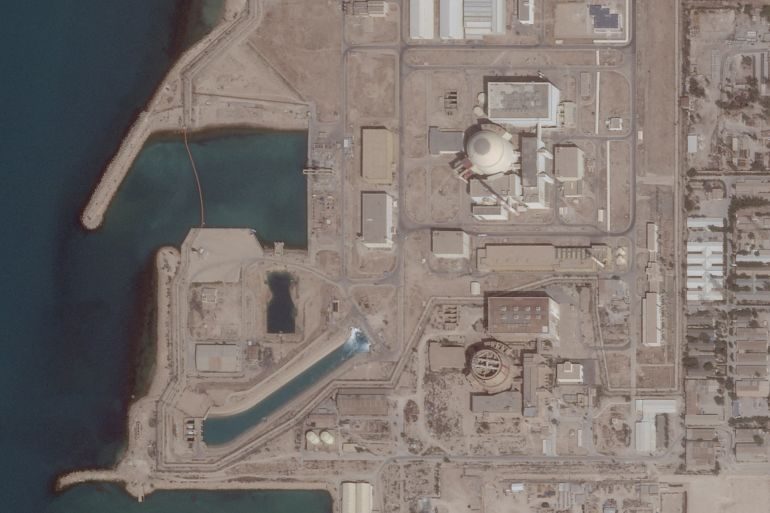
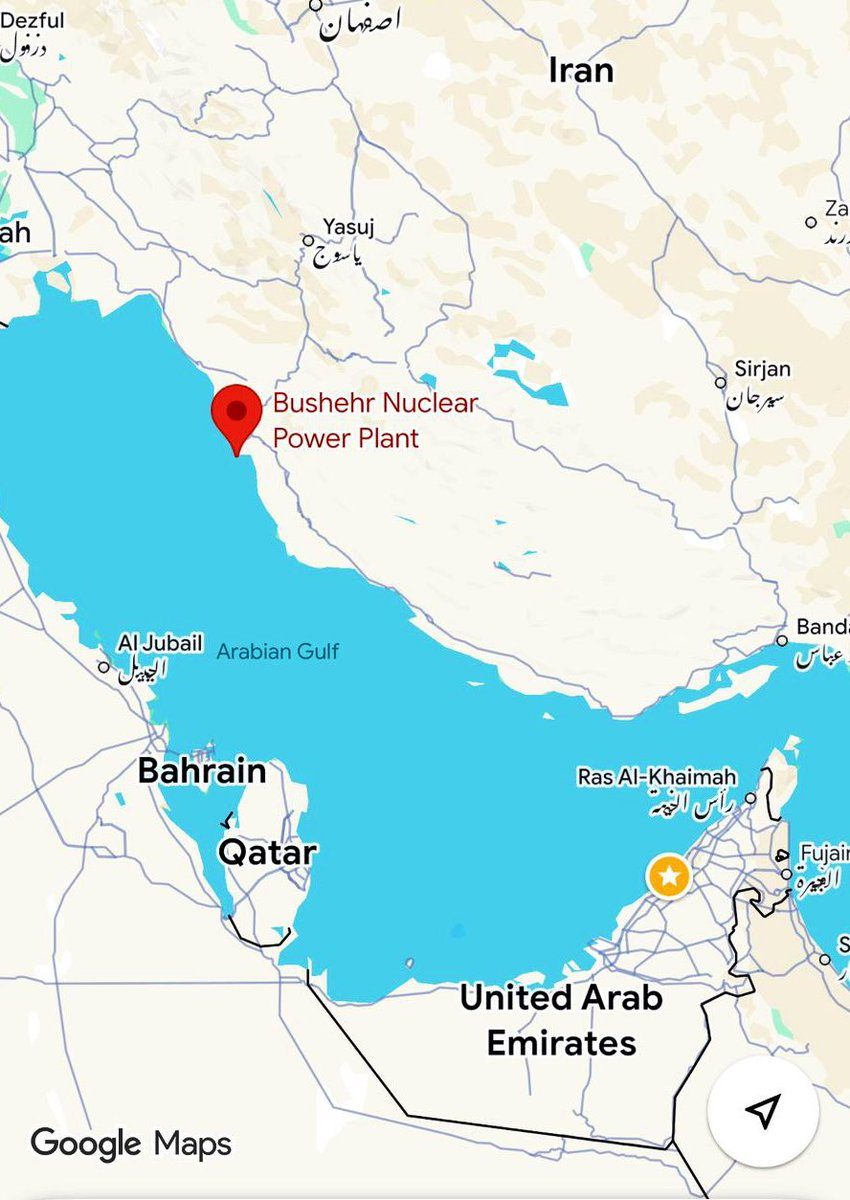
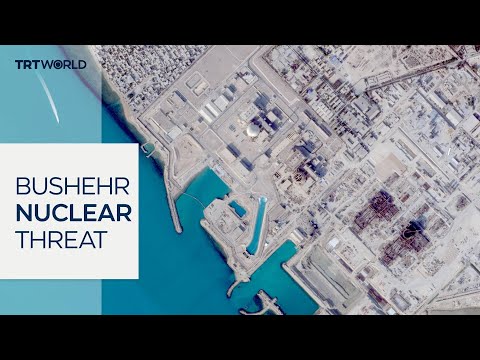
Osirak was an unfueled reactor under construction. Bushehr is a fully operational plant with more than a decade of spent fuel on site. The radiological consequences of a direct hit are incomparably greater, which is why the IAEA's warnings carry a different urgency than in 1981.