

Space Shuttle reusability lessons (1981–2011)
NASA's Space Shuttle was designed to fly frequently at low cost through reuse of the orbiter and solid rocket boosters. Originally projected at $10 to 20 million per flight with a turnaround of weeks, the actual cost averaged $450 million to $1.5 billion per flight, with a rate of only four to five missions per year.
The Shuttle proved that reusable spacecraft could reach orbit reliably, but the economics were punishing — each flight required thousands of worker-hours of tile inspection and booster refurbishment.
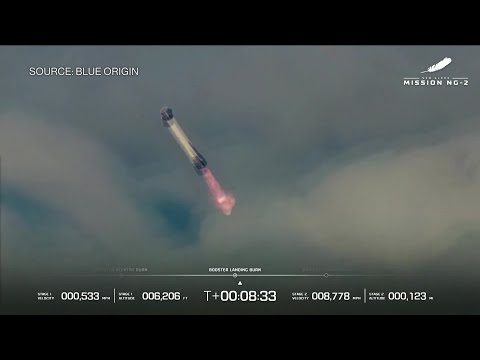
The Shuttle's failure to deliver on cost savings shaped a generation of rocket design. SpaceX and Blue Origin both designed their reusable stages to minimize post-flight refurbishment, landing the simplest major component (the booster) rather than the most complex (the crewed vehicle).
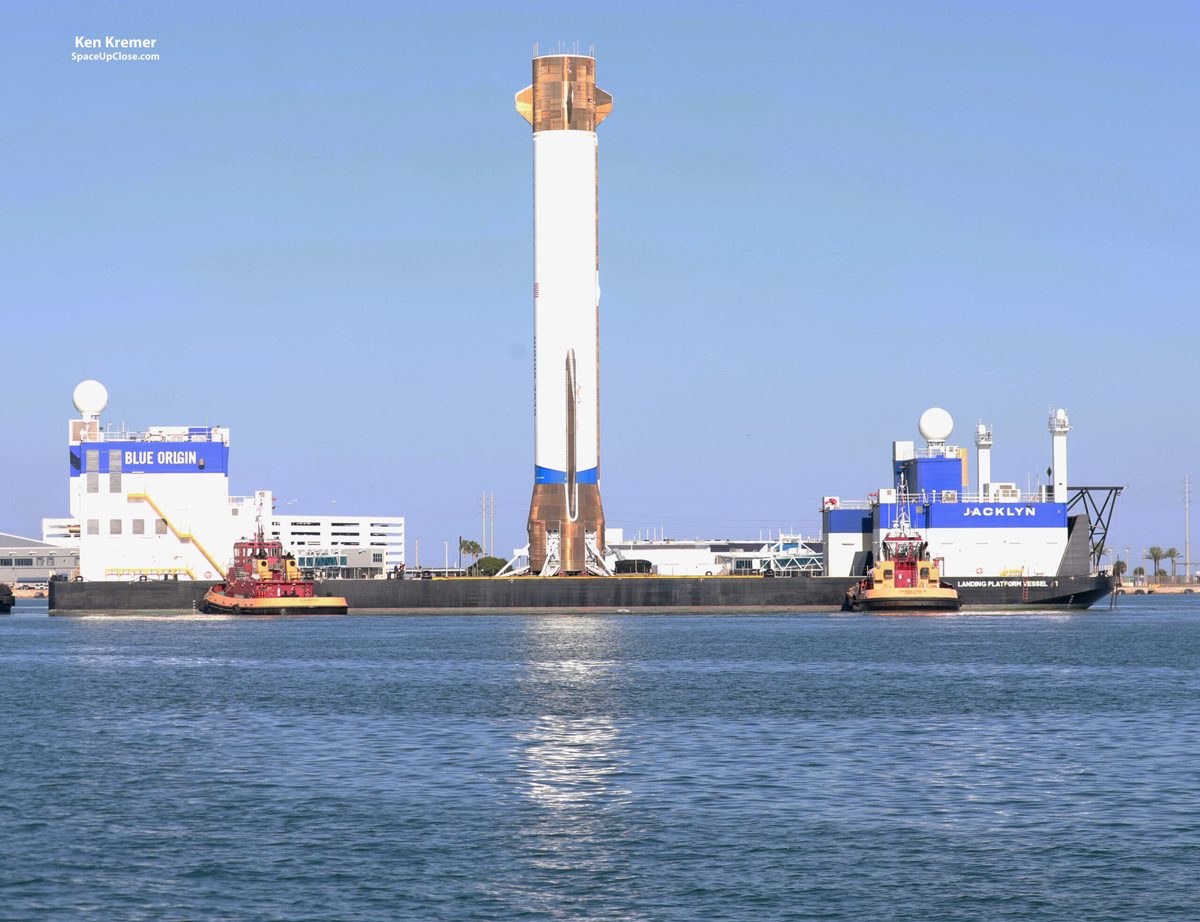
Dave Limp's disclosure that Blue Origin replaced all seven engines on the refurbished NG-3 booster echoes the Shuttle's early conservatism. The critical question is whether future flights will reuse engines directly — as Limp indicated is the plan — or whether New Glenn refurbishment will prove more labor-intensive than anticipated.