

Pull to refresh
Logo
Bank of England raises rates to 4% as energy prices push inflation up

Bank of England raises rates to 4% as energy prices push inflation up

Money Moves Interactive

First rate increase since 2023, as Middle East war drives oil above $100 a barrel

Overview

Updated 4 days ago

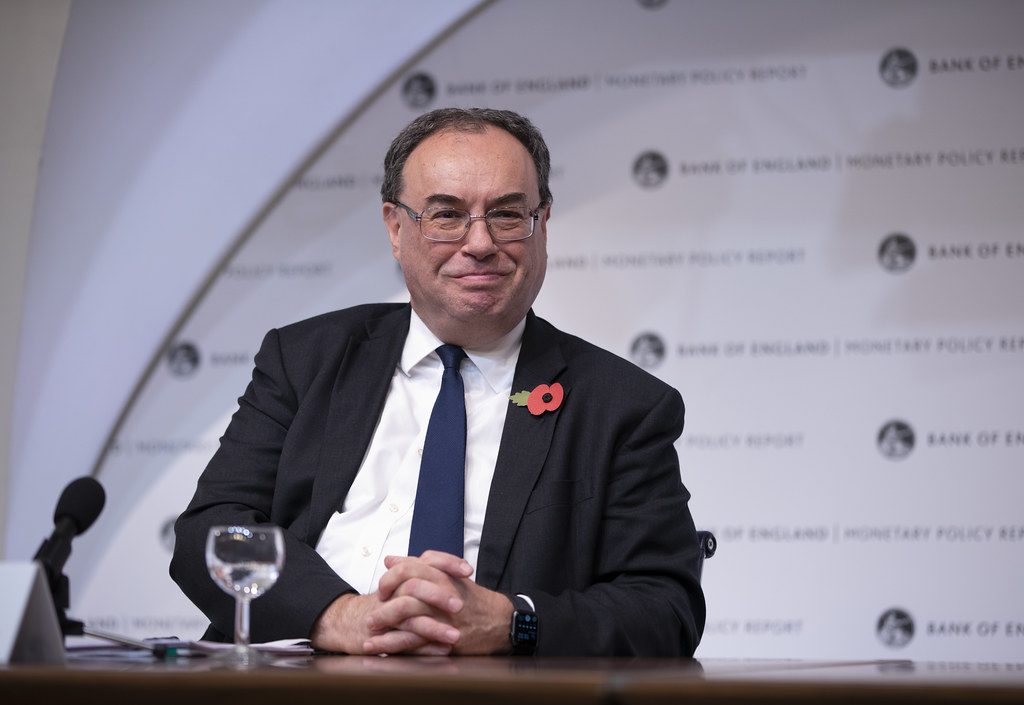
The Bank of England raised its benchmark interest rate to 4% on 5 November, the first increase since August 2023. Eight of the nine Monetary Policy Committee members backed the quarter-point move; Catherine Mann wanted a half-point.

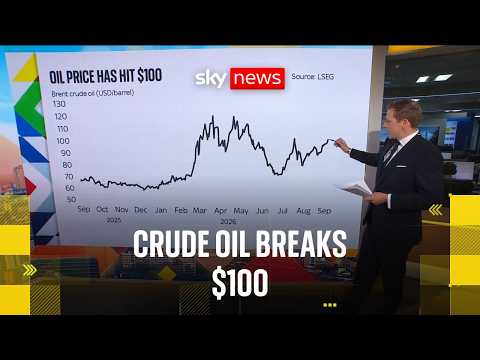
War in the Middle East has disrupted oil and gas shipments through the Strait of Hormuz, pushing oil above $100 a barrel. UK inflation hit 3.5% in September, and the Bank expects about 5% by mid-2027, or 6.2% in a worst case if oil peaks near $130 a barrel. Governor Andrew Bailey said another increase is likely unless the conflict is resolved.

Why it matters

About 510,000 tracker mortgage holders will pay roughly £31 more a month; two-year fixed mortgage rates are already up nearly half a point since September.

Where it ranks

Most big central banks raised rates this year before Britain did

8 of the 10 big rich-world central banks have raised since January. Australia is up 1.25 points; Britain, the US and Canada 0.25. Sweden's rise starts 11 Nov.

United Kingdom: 3.75 → 4.00 %. Ranks 4 of 10.

As of 2026-11-07. Policy rate in force on 1 Jan and 7 Nov 2026, all ten G10 central banks, from each bank's own pages. US: top of the fed funds range. Euro area: deposit rate. Sweden decided 2.00% on 4 Nov, applying from 11 Nov. January: the rate each bank's first 2026 decision kept, or its Dec 2025 decision. Sources: Federal Reserve: FOMC statement, 28 October 2026 (and 28 January 2026), European Central Bank: key ECB interest rates, Bank of England: Monetary Policy Summary, November 2026 (and February 2026), Bank of Japan: policy statements, 30 Oct 2026 and 23 Jan 2026, Bank of Canada: policy interest rate history, Reserve Bank of Australia: cash rate target and 4 more, each cited on its row.

Questions about this story

Free account needed to ask — your question is kept and asked for you right after sign-up. Answers are public.

No questions yet — be the first to ask.

Key Indicators

4%
Bank of England base rate
Raised from 3.75% on 5 November 2026, the first increase since August 2023.
3.5%
UK inflation, September 2026
Consumer prices index, up from 2.6% in June 2026.
~5%
Expected inflation, mid-2027
Bank of England central forecast, driven by elevated energy costs.
6.2%
Worst-case inflation, Q3 2027
Adverse scenario if oil peaks near $130 a barrel, per the November Monetary Policy Report.
8-1
MPC vote
Eight members backed the quarter-point rise; one preferred a half-point.
510,000
Tracker mortgage holders affected
UK Finance estimate of borrowers facing higher repayments.
£31
Monthly repayment jump for tracker holders
Average increase per UK Finance, following the rate rise.

Voices

Curated perspectives — historical figures and your fellow readers.

Sign up to generate historical perspectives on this story.

People Involved

Organizations Involved

Timeline

December 2021 November 2026

8 events Latest: 6 days ago
Tap a bar to jump to that date
  1. Bank raises rate to 4%

    Latest Policy

    The committee votes 8-1 for the first increase since 2023, citing energy-driven inflation.

  2. Bank warns inflation could hit 6.2% in worst case

    Forecast

    The November Monetary Policy Report says inflation could reach 6.2% in the third quarter of 2027 if oil peaks near $130 a barrel.

  3. Inflation climbs to 3.5%

    Data

    Rising energy costs push inflation well above the 2% target.

  4. Inflation bottoms at 2.6%

    Data

    Consumer price inflation hits its recent low before the war-driven energy surge.

  5. Base rate reaches 3.75%

    Policy

    Cuts bring the rate to its low point before the energy shock.

  6. Rate cuts begin

    Policy

    With inflation easing, the Bank starts reducing rates from 5.25%.

  7. Last rate increase before the pause

    Policy

    The prior hiking cycle peaks at 5.25%.

  8. Bank begins raising rates

    Policy

    The Bank of England starts lifting rates from near zero to control inflation.

Scenarios

1

Bank hikes again in December

Possible Resolves by Dec 17, 2026

Discussed by: Traders cited by Reuters, Oxford Economics' Andrew Goodwin, and FXStreet analysts

Governor Andrew Bailey said a further increase is likely unless the Middle East conflict is resolved. Markets priced another rise as soon as the 17 December meeting, though Oxford Economics' Andrew Goodwin called December 'a coin flip' and said oil and gas prices would decide.

2

Rates held at 4% as inflation peaks

Possible Resolves by Q2 2027

Discussed by: FXStreet analysts, who are skeptical of more than one further hike

The Bank treats the energy shock as temporary and stops after one or two increases, holding at 4% while inflation crests near 5% in mid-2027 and then falls. This depends on energy prices stabilizing and no sign of wage or price knock-on effects.

3

Inflation overshoots, forcing a longer hiking cycle

Unlikely Resolves by Q1 2027

Discussed by: Bank of England's own warning that prolonged energy costs raise the risk of knock-on effects

If energy prices stay high, firms pass costs to consumers and workers demand higher wages, embedding inflation. The Bank's adverse scenario has inflation at 6.2% in the third quarter of 2027 if oil peaks near $130 a barrel. Catherine Mann's dissent for a larger rise reflects this concern.

Historical Context

2 moments from history that rhyme with this story — and how they unfolded.

December 2021 - August 2023

Post-pandemic inflation hiking cycle (2021-2023)

The Bank of England raised rates from 0.1% to 5.25% over 14 consecutive increases, as supply-chain disruption and the energy shock from Russia's invasion of Ukraine pushed inflation above 11%.

Then

Mortgage costs jumped sharply and UK inflation became the highest in the G7.

Now

Inflation fell back toward target by 2024, allowing the Bank to begin cutting rates in August 2024.

Why this matters now

The current hike is the first reversal of that cutting cycle, and the Bank is applying the same logic: raise rates to stop an energy shock from becoming embedded.

1973-1979

Oil shocks of the 1970s

OPEC oil embargoes and the Iranian revolution sent crude prices soaring, driving double-digit inflation across advanced economies and forcing central banks to raise rates sharply.

Then

Stagflation: high inflation combined with weak growth and rising unemployment.

Now

Central banks adopted a stronger anti-inflation mandate, and the episode shaped modern expectations about energy-driven price spikes.

Why this matters now

The Middle East war's disruption of oil and gas shipments echoes the supply shocks that made energy costs a central-bank problem in the 1970s.

Sources

(8)