

Pull to refresh
Logo
Alberta imposes $14 recycling fee on solar panels, bans landfill disposal

Alberta imposes $14 recycling fee on solar panels, bans landfill disposal

Rule Changes

First-in-Canada program starts October 1, adding up to $280 to home solar systems

6 days ago: Industry backlash intensifies

Overview

Updated 5 days ago

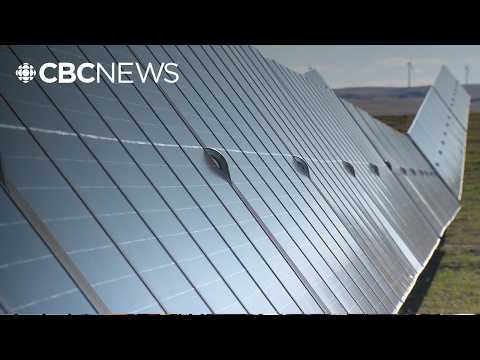
Starting October 1, every new solar panel sold in Alberta carries a $14 recycling fee, and panels can no longer go to landfills. A typical 20-panel home system now costs $280 more.

The fee is nearly five times what recycling a television costs in Alberta, and roughly triple what independent research says the job will actually cost. Renewable energy groups call the charge punitive and warn it adds about $1 million to the average utility-scale project.

Why it matters

If the fee holds, Alberta households pay $280 more per solar system and utilities $1 million per project, with new renewable deals already down 99% since 2023.

Questions about this story

Free account needed to ask — your question is kept and asked for you right after sign-up. Answers are public.

No questions yet — be the first to ask.

Key Indicators

$14
Environmental fee per new panel
Applies to panels one square metre or larger sold in Alberta from October 1.
$280
Added cost for a typical 20-panel home system
Initially misstated as $240, then corrected by the minister's office.
99%
Drop in renewable project deals, 2023-2025
Collapsed after Alberta overhauled renewables rules in 2024.
73,000
Projected end-of-life panel waste by 2045 (tons)
Most panels now installed will reach end of life in the 2040s.
$1M
Added cost per average utility-scale project
Analysis by Business Renewables Centre-Canada.
5x
Fee compared to TV recycling cost
Recycling a large television in Alberta costs $2.75.

Voices

Curated perspectives — historical figures and your fellow readers.

Ever wondered what historical figures would say about today's headlines?

Sign up to generate historical perspectives on this story.

People Involved

Organizations Involved

Timeline

February 2024 October 2026

5 events Latest: 6 days ago
Tap a bar to jump to that date
  1. Fee and landfill ban take effect

    Upcoming Implementation

    Program launches; collection of end-of-life panels begins across Alberta.

  2. Industry backlash intensifies

    Latest Reaction

    Industry groups call fee punitive; CanREA says it is triple the actual recycling cost.

  3. Province announces $14 recycling fee and landfill ban

    Announcement

    Environment minister Grant Hunter unveils the program in Brooks, effective October 1.

  4. Solar panels reclassified as electronics

    Regulatory

    Province brings panels under the mandatory recycling surcharge regime covering electronics.

  5. Alberta pauses new renewable approvals

    Regulatory

    Province imposes six-month moratorium, later adding new land-use rules and cleanup security funds.

Scenarios

1

Alberta cuts solar panel recycling fee after cost review

Possible Resolves by End of 2027

Discussed by: Canadian Renewable Energy Association, Solar Alberta

ARMA completes its first year of collection, and the province adjusts the fee downward. CanREA's research puts true recycling cost near $5 per panel. Hunter has already said the fee will drop if economies of scale materialize.

2

Solar recycling fee holds at $14, industry absorbs the cost

Likely Resolves by End of 2027

Discussed by: Alberta Recycling Management Authority, provincial government position

The program launches October 1 unchanged. Residential and utility projects factor the fee into pricing. The province stands by $14, citing $40 per panel shipping costs to the United States and the need to seed collection infrastructure.

3

Court challenge or election removes the solar fee

Unlikely Resolves by End of 2027

Discussed by: Renewables industry observers, opposition parties

An industry group files a legal challenge, or Alberta's 2027 provincial election brings a government that rescinds the fee. The sector has $1 million per project at stake, giving it reason to pursue legal options.

Historical Context

3 moments from history that rhyme with this story — and how they unfolded.

2005 onward

California e-waste recycling fee program (2005)

California began charging point-of-sale recycling fees on computer monitors and televisions in 2005, under its Electronic Waste Recycling Act. The program funded collection and recycling of used electronics.

Then

Fees were adjusted over time as the recycling market matured and real costs became clear.

Now

The program became a model for other states, with several later shifting toward extended producer responsibility.

Why this matters now

Shows a point-of-sale recycling fee mechanism that was revised once actual cost data emerged, the adjustment path Alberta has left open.

2012 onward

EU adds solar panels to WEEE directive (2012)

The European Union added solar panels to its Waste Electrical and Electronic Equipment directive in 2012. The move extended the producer-responsibility recycling framework to photovoltaics. Member states set up collection and recycling systems funded by manufacturers and importers.

Then

Implementation rolled out over several years across EU countries, with systems and costs varying by member state.

Now

The EU now has an established solar recycling market, with costs that have fallen as collection volumes grew.

Why this matters now

Shows a mature solar recycling framework operating at lower per-panel cost than Alberta proposes. CanREA cites these programs in arguing that $5 per panel is achievable.

February 2024 onward

Alberta renewables moratorium (2024)

In February 2024, Alberta's government imposed a six-month pause on all new renewable energy project approvals. It then issued rules requiring 35-kilometre buffer zones around wind projects, restricting development on irrigated farmland, and mandating security funds for eventual cleanup.

Then

Project deals plummeted 99% between 2023 and 2025. Alberta's once-booming renewables sector stalled.

Now

The province now layers regulations and costs on renewables that other generation types do not bear.

Why this matters now

The recycling fee is the latest step in this sequence. Industry groups see it as part of a pattern that singles out renewable energy.

Sources

(7)