



Pull to refresh
Logo
Salt Lake City raises utility impact fees for first time in 27 years

Salt Lake City raises utility impact fees for first time in 27 years

Rule Changes Salt Lake City, UT local

Council approves phased water, sewer and stormwater fee increases; state audit finds $600 million utility debt

Overview

Updated Oct 26

Salt Lake City's utility impact fees had not changed since 1999. On October 6, the City Council voted 7-0 to raise water, sewer and stormwater fees on new development. Water fees nearly triple, and stormwater fees more than quintuple.

Developers pay 70% of the new rates starting in 2027 and the full rate from July 1, 2028. A September state audit found the utilities department has more than $600 million in debt and no feasible plan to repay it. City rate studies are expected by June 2027.

Why it matters

Developers will likely pass higher fees to homebuyers and renters, and the city says the new revenue won't prevent future monthly rate increases.

Last Monday's email for Salt Lake City, UT

Sent Nov 9. It carried:

Get next Monday's: one short email a week. Free. Unsubscribe in one click.

Questions about this story

Free account needed to ask — your question is kept and asked for you right after sign-up. Answers are public.

No questions yet — be the first to ask.

Key Indicators

27 years
Time since last fee change
Impact fees were last updated in 1999.
$11,870
New single-family impact fee total
Up from $2,790 for a typical quarter-acre lot with a 3/4-inch meter.
$600M+
Public utilities debt
Tied to infrastructure projects, including an $850 million wastewater treatment plant completed in 2026, per the state audit.
198%
Water fee increase
For a 3/4-inch meter, from $1,871 to $5,577.
$850M
Wastewater plant cost
Completed in 2026. The audit expects a second plant of similar cost within 10 years.

Voices

Curated perspectives — historical figures and your fellow readers.

Sign up to generate historical perspectives on this story.

People Involved

Organizations Involved

Timeline

1999 July 2028

10 events Latest: October 19th, 2026 · 3 weeks ago
Tap a bar to jump to that date
  1. Full rates take effect

    Upcoming Implementation

    Full impact fee rates apply for water, sewer and stormwater connections.

  2. 70% of new rates take effect

    Upcoming Implementation

    Developers are charged 70% of the new water, sewer and stormwater impact fee rates.

  3. Ordinance 54 synopsis published

    Latest Notice

    The city published a public notice summarizing the October 6 ordinance that adopted the impact fee facilities plan and amended the fee schedule.

  4. Salt Lake City confirms new utility impact fee schedule

    Announcement

    The city makes the approved fee schedule public, with rates taking effect in phases starting in 2027.

  5. City Council votes unanimously to approve new fees

    Decision

    The council votes 7-0 to approve the phased fee increases after a second public hearing.

  6. First public hearing held

    Hearing

    The council holds its first public hearing on the proposed fees at the Utah State Fairpark.

  7. State audit sent to Legislature

    Report

    The Legislative Auditor General's performance audit found over $600 million in utility debt with no feasible repayment plan. Auditors also flagged a 2025 change that billed non-residential sewer use at 70% of water use.

  8. Briefer presents proposed changes

    Presentation

    Director Laura Briefer presents the proposed changes to the council, citing rising construction costs and growth.

  9. Public Utilities proposes fee updates

    Proposal

    The Department of Public Utilities proposes updating the fee structure under the Utah Impact Fees Act.

  10. Impact fees last updated

    Policy

    Salt Lake City sets utility impact fees for water, sewer and stormwater. They stay unchanged for 27 years.

Scenarios

1

Developers pass higher fees to homebuyers and renters

Likely Resolves by Jul 1, 2028

Discussed by: Salt Lake Tribune, local developers

The Tribune reported that "all or some of the costs of these higher impact fees are likely to be passed on to prospective homebuyers and apartment tenants." If this happens, new homes in Salt Lake City become more expensive, and rents may rise as multifamily developers adjust.

2

Higher fees slow new development in Salt Lake City

Possible Resolves by End of 2028

Discussed by: Developer Dustin Holt, city officials

Holt warned the increases could affect fundraising for development projects. City officials noted other Utah cities with higher fees have not seen growth slow, suggesting the impact may be limited. If development slows, building permit numbers would decline.

3

City raises monthly utility rates again despite new fees

Likely Resolves by End of 2027

Discussed by: City officials, state auditors

The city's own documents state "revenue from updated impact fees is not expected to prevent or reduce the need for future utility rate increases." The state audit warned the city's rate structure won't cover debt service. This scenario sees another monthly rate hike before the impact fees are fully phased in.

Historical Context

3 moments from history that rhyme with this story — and how they unfolded.

2000-2025

Salt Lake City's growth since 2000

The city's population grew substantially since 2000. The skyline rose, and the city added an NHL team.

Then

More development meant more demand on aging water, sewer and stormwater systems.

Now

Impact fees stayed frozen at 1999 levels while construction costs and infrastructure needs grew.

Why this matters now

The growth is why the city needs more infrastructure revenue.

2020s

Water reclamation plant overhaul

The city borrowed heavily to overhaul the 55-year-old water reclamation plant in Rose Park, with an $850 million price tag.

Then

The department now carries more than $600 million in debt.

Now

A state audit found no feasible plan to pay off the debt.

Why this matters now

The debt is the financial pressure behind the fee increases.

August 2026

August 2026 Poplar Grove flood

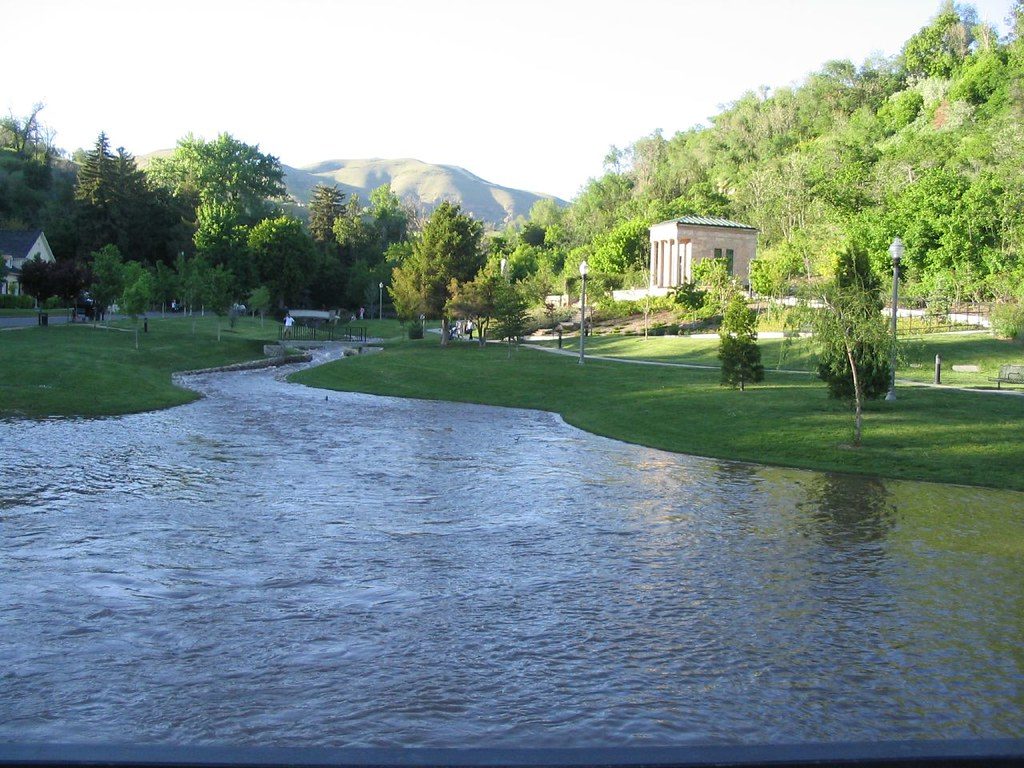
A burst water main after a bridge project flooded the Poplar Grove neighborhood.

Then

Residents cited the flood as evidence the city can't defer infrastructure investment.

Now

The flood became a public argument for raising impact fees.

Why this matters now

The flood showed the cost of deferred maintenance.

Sources

(8)