



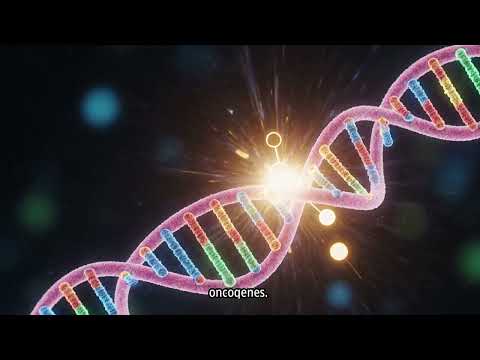


Human Genome Project Completion (2003)
The $2.7 billion international effort sequenced 99% of human gene-containing regions, completing two years ahead of schedule. The project established that humans have approximately 20,000 protein-coding genes—far fewer than expected—accounting for just 1.5% of the genome. Scientists hoped the sequence would rapidly unlock the genetic basis of disease.
The sequence enabled identification of genes linked to cystic fibrosis, breast cancer, and thousands of other conditions. Genome-wide association studies became the dominant research paradigm.
Despite mapping disease-associated variants, most fell in non-coding regions where their effects remained mysterious. The '98% problem' became biology's next grand challenge.
AlphaGenome directly addresses the unfulfilled promise of the Human Genome Project—understanding what the non-coding 98% actually does and how it contributes to disease.