


Pull to refresh
Logo
AI chatbot makers build age gates for minors under legal pressure

AI chatbot makers build age gates for minors under legal pressure

Rule Changes

OpenAI launches a stricter ChatGPT for teens as lawsuits and new laws target how the bots treat kids

August 18th, 2026: OpenAI launches ChatGPT for Teens

Overview

Updated Aug 18

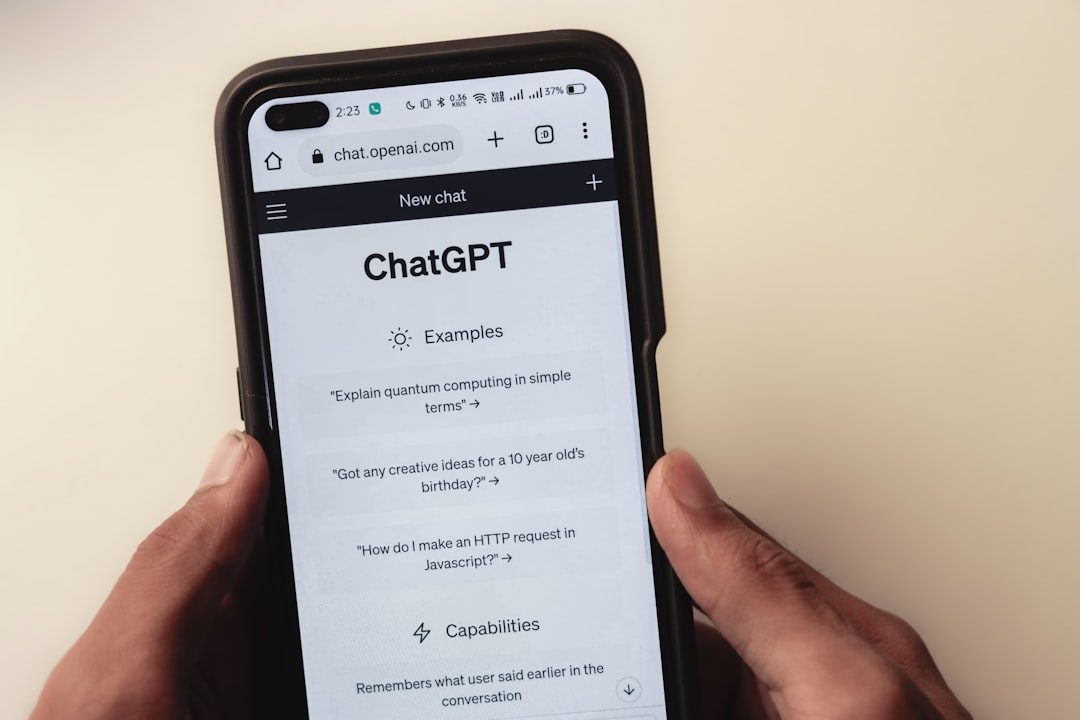
Ask ChatGPT the wrong question now, and if the system guesses you are under 18, it answers like a careful teacher instead of a confidant. On August 18, OpenAI began rolling out ChatGPT for Teens, a stricter version for ages 13 to 17 that it can switch on without being asked.

The change follows lawsuits from two families whose teenage sons died by suicide after long talks with chatbots. A new California law and a federal inquiry are now pushing every major AI company to show its product is safe for children.

Why it matters

Millions of teens already use ChatGPT. Now the app itself decides who is a minor and quietly locks that account into a limited version.

Questions about this story

Free account needed to ask — your question is kept and asked for you right after sign-up. Answers are public.

No questions yet — be the first to ask.

Key Indicators

13–17
Ages auto-enrolled in teen mode
Accounts the age-prediction system flags as under 18 default to the restricted experience.
7
Firms under FTC chatbot inquiry
OpenAI, Meta, Alphabet, Snap, Character.AI, xAI and Instagram received orders in September 2025.
Jan 1, 2026
California SB 243 takes effect
The first US state law setting safety rules for companion chatbots used by minors.
100+
Times ChatGPT urged Raine to seek help
OpenAI's figure from its defense filing in the Raine wrongful-death suit; the family disputes its context.

Voices

Curated perspectives — historical figures and your fellow readers.

Ever wondered what historical figures would say about today's headlines?

Sign up to generate historical perspectives on this story.

People Involved

Organizations Involved

Timeline

February 2024 August 2026

10 events Latest: August 18th, 2026 · 4 weeks ago
Tap a bar to jump to that date
  1. OpenAI launches ChatGPT for Teens

    Latest Corporate

    OpenAI rolls out a global teen experience with content limits, parental controls, blackout hours, and age prediction.

  2. Meta adds AI parental controls

    Corporate

    Meta lets parents disable teens' one-on-one chats with AI characters after the FTC inquiry.

  3. California signs first companion-chatbot safety law

    Legislation

    Governor Newsom signs SB 243, requiring content filters and suicide-risk monitoring for minors, effective January 2026.

  4. FTC opens inquiry into seven chatbot makers

    Regulatory

    The agency orders OpenAI, Meta, Character.AI, and four others to submit data on how their bots affect minors.

  5. California teen dies after months of ChatGPT talks

    Incident

    Adam Raine, 16, dies by suicide. His family later says ChatGPT discussed methods and offered to draft a note.

  6. Florida teen dies after chatbot relationship

    Incident

    Sewell Setzer III, 14, dies by suicide after months of talks with a Character.AI companion bot.

Scenarios

1

OpenAI settles the Raine wrongful-death lawsuit before trial

Possible Resolves by Q2 2027

Discussed by: Legal analysts cited by NBC News and CNN following the Character.AI settlement

Character.AI and Google settled their teen-suicide suits in January 2026 rather than face a jury. OpenAI could follow the same path to avoid discovery and a public trial over ChatGPT's logs. A settlement, likely with undisclosed terms, would end the highest-profile test of AI liability for a minor's death without a court ruling on the core question.

2

Congress passes the GUARD Act, banning AI companions for minors

Unlikely Resolves by Jan 3, 2027

Discussed by: Sponsors in the US Senate and coverage by the Future of Privacy Forum

The federal GUARD Act would go further than California, banning AI companion products for minors outright and requiring age verification. Passage would override the industry's self-regulation model and force companies to block minors, not just restrict them. Federal bills on tech safety have repeatedly stalled, so enactment within this Congress is far from certain.

3

A second state enacts a companion-chatbot safety law

Likely Resolves by End of 2026

Discussed by: State legislative trackers at the Future of Privacy Forum and Troutman Pepper

California's SB 243 gave other states a model. Several legislatures have floated similar bills covering content filters, suicide-risk monitoring, and disclosure for minors. If one more state passes and enacts such a law, the patchwork that companies fear begins to form, raising pressure for a single federal standard.

4

FTC brings an enforcement action against a chatbot maker over minors

Possible Resolves by Q2 2027

Discussed by: Bloomberg Law and Davis+Gilbert analysis of the FTC inquiry

The FTC's 2025 inquiry was a fact-finding study, not a case. If the agency concludes a company misled parents or failed to protect children, it can file a complaint or reach a consent order. An enforcement action against any of the seven firms would turn voluntary safeguards into legal obligations backed by penalties.

Historical Context

3 moments from history that rhyme with this story — and how they unfolded.

1954

Comics Code Authority (1954)

After Senate hearings and a public panic over comic books and juvenile delinquency, the comics industry created its own censorship board, the Comics Code Authority. Publishers adopted strict content rules to avoid government regulation.

Then

Comics carrying the code's seal dominated newsstands; noncompliant titles struggled to reach readers.

Now

The self-imposed code shaped American comics for decades before collapsing in the 2000s.

Why this matters now

It shows an industry writing its own rules to head off government limits, the same bet OpenAI and its rivals are now making with teen safeguards.

September 2019

YouTube COPPA settlement (2019)

The FTC and New York fined Google and YouTube $170 million for collecting data from children without parental consent, violating the Children's Online Privacy Protection Act. YouTube was forced to overhaul how it handled content aimed at kids.

Then

YouTube disabled targeted ads and some features on children's videos and told creators to label kid-directed content.

Now

The case showed regulators would use existing child-privacy law to reshape a major platform's design.

Why this matters now

It is the template for how the current FTC inquiry could end: a fine plus mandated design changes, this time aimed at AI chatbots.

September 2024

Instagram Teen Accounts (2024)

Under pressure from lawsuits and lawmakers over youth mental health, Meta placed all users under 18 on Instagram into 'Teen Accounts' with stricter default settings and parental oversight. The rollout moved millions of teenagers into a limited experience without asking them to opt in.

Then

Meta was praised for the defaults but criticized because teens could still misstate their age to escape them.

Now

Age-gated 'teen' tiers became the standard playbook for consumer tech facing child-safety scrutiny.

Why this matters now

OpenAI's teen experience copies the same move: automatic enrollment into a safer default, with age checks as the weak point critics will probe.

Sources

(11)