


Pull to refresh
Logo
Adani Energy Solutions wins major Maharashtra transmission project

Adani Energy Solutions wins major Maharashtra transmission project

Built World

₹4,700 crore Satara line to move 4,500 MW of renewable and pumped-storage power from Karnataka to Maharashtra

August 26th, 2026: Adani Energy Solutions wins Satara transmission project

Overview

Updated Aug 27

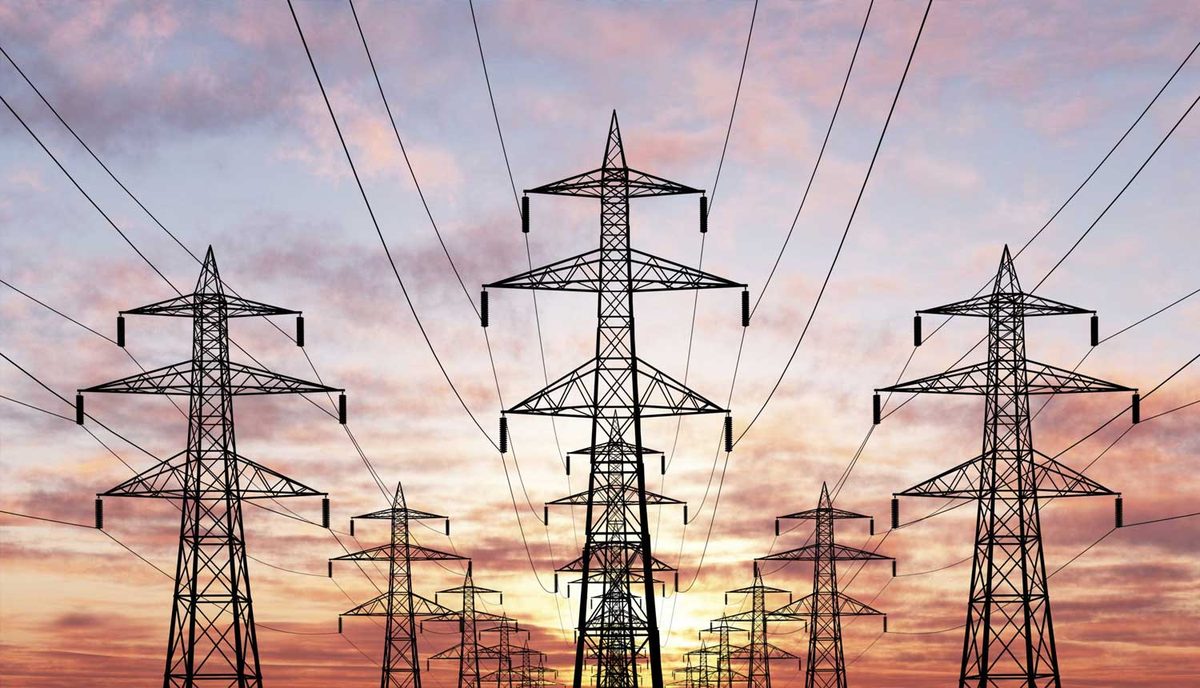
India needs thousands of kilometres of new transmission lines to carry solar and wind from the states that generate it to the cities that use it. Adani Energy Solutions just won a ₹4,700 crore project to build a key stretch of that grid.

The Satara project will move up to 4,500 MW of renewable and pumped-storage power from Karnataka into Maharashtra's load centres. It is one link in India's target of 500 GW of non-fossil capacity by 2030, and a sign of which companies are building the grid to reach it.

Why it matters

This line moves 4,500 MW of wind and solar into India's western cities, a core link in the country's 2030 non-fossil target.

Questions about this story

Free account needed to ask — your question is kept and asked for you right after sign-up. Answers are public.

No questions yet — be the first to ask.

Key Indicators

≈$493M
Project capex
Estimated cost of the Satara transmission project, reported as ₹4,700 crore.
4,500 MW
Renewable and storage capacity to evacuate
Wind, solar and pumped-storage power moved from Karnataka into Maharashtra.
562 ckm
New transmission lines
Circuit kilometres added, including the Kolhapur–Satara 765 kV double-circuit line.
₹85,000 crore
Transmission order book
Adani Energy Solutions' order book after this win, per company filings.

Voices

Curated perspectives — historical figures and your fellow readers.

Ever wondered what historical figures would say about today's headlines?

Sign up to generate historical perspectives on this story.

People Involved

Organizations Involved

Timeline

1 event Latest: August 26th, 2026 · 2 weeks ago
  1. Adani Energy Solutions wins Satara transmission project

    Latest Business

    AESL emerges as lowest bidder in tariff-based competitive bidding to build a line evacuating 4,500 MW of renewable and storage power from Karnataka into Maharashtra.

Scenarios

1

Satara transmission project commissioned by mid-2029

Likely Resolves by Aug 26, 2029

Discussed by: Company guidance; India's Central Electricity Authority tracks major transmission projects

Adani Energy says it will deliver the project within 36 months. Work includes a 765/400 kV substation at Satara and a double-circuit line from Kolhapur. Land acquisition and forest clearances can delay such projects; an on-time line would extend the company's record of hitting targets.

2

India's grid buildout misses the 500 GW non-fossil target by 2030

Uncertain Resolves by End of 2030

Discussed by: India's Ministry of New and Renewable Energy; grid analysts at the CEA

Transmission is the bottleneck India must clear to connect vast new wind, solar and pumped-storage capacity by 2030. Projects like Satara are necessary but not sufficient. A shortfall in transmission buildout would push the 500 GW target past 2030 even if generation plants get built on time.

3

Adani Energy Solutions' order book tops ₹1 lakh crore

Possible Resolves by Aug 26, 2027

Discussed by: Company announcements echoed by business press (Economic Times, LiveMint)

The Satara win lifts AESL's transmission order book to about ₹85,000 crore. More tariff-based competitive bidding projects are in India's pipeline as states prepare renewable-capacity plans. Further wins would push the book past the ₹1,00,000 crore mark.

Historical Context

3 moments from history that rhyme with this story — and how they unfolded.

2008–2013

Texas CREZ lines (2008–2013)

Texas regulators approved roughly $7 billion of new high-voltage lines stretching about 3,600 miles to reach remote West Texas wind farms. The state built the transmission first, and wind generation followed.

Then

Within a few years, West Texas wind capacity surged and the state became the US wind leader.

Now

The CREZ lines became the model for building transmission ahead of generation so renewables are not left stranded.

Why this matters now

India is running the same build-lines-first playbook. The Satara line sits ahead of the pumped-storage and renewable projects it will carry.

2009–present

China's ultra-high-voltage buildout (2009–present)

China spent over a decade building ultra-high-voltage lines stretching thousands of kilometres to move wind and solar from the Gobi Desert to coastal cities. By the mid-2020s it operated the world's largest such network.

Then

Long-distance clean power reached demand centres far from the resource zones.

Now

China demonstrated that grids built for coal can be repurposed to carry renewables across provinces.

Why this matters now

India's cross-state lines, like the Karnataka-to-Maharashtra project, mirror this long-distance power movement pattern over a grid designed for fossil plants.

2013–2022

India's Green Energy Corridor (2013–2022)

India launched a Green Energy Corridor program to build inter-state transmission specifically for renewable power from its sunniest and windiest states, at an estimated cost near ₹38,000 crore. It connected the first large utility-scale solar parks to the grid.

Then

Thousands of megawatts of early solar and wind capacity found a route to consumers.

Now

The corridors established the framework India still uses for renewable-evacuation networks.

Why this matters now

The Satara project is the next phase of that effort, now run through competitive bidding and extended to pumped storage.

Sources

(7)