
Pull to refresh
Logo
IAEA ceasefire takes effect to restore power to Zaporizhzhia nuclear plant

IAEA ceasefire takes effect to restore power to Zaporizhzhia nuclear plant

Built World

Europe's largest nuclear plant has run on diesel generators since August 20 and could face a station blackout within days

7 days ago: Seventh IAEA-brokered ceasefire takes effect

Overview

Updated 7 days ago

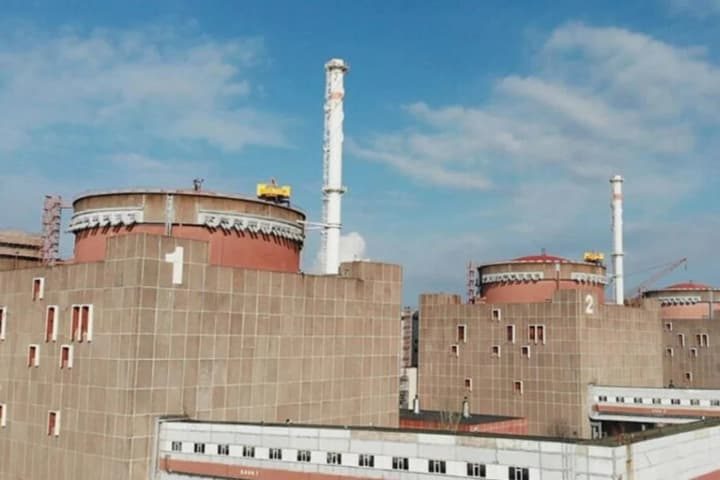
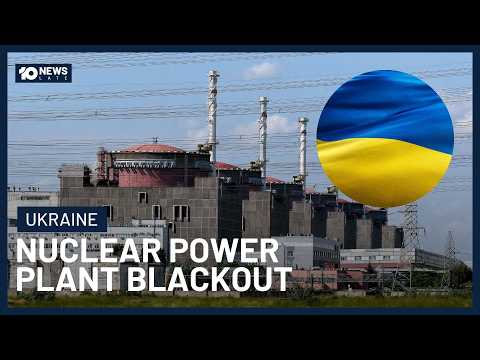
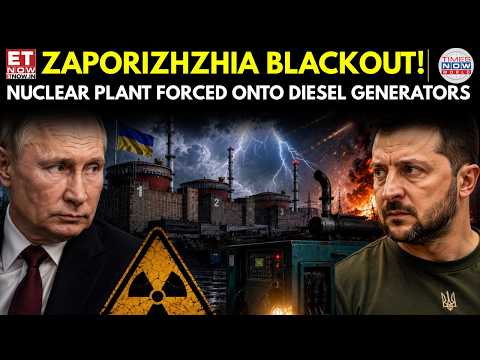
Europe's largest nuclear plant has run on emergency diesel generators since August 20, when military activity severed its last connection to the power grid. Diesel reserves are nearly gone, and the International Atomic Energy Agency (IAEA) warned the plant could lose all power within days.

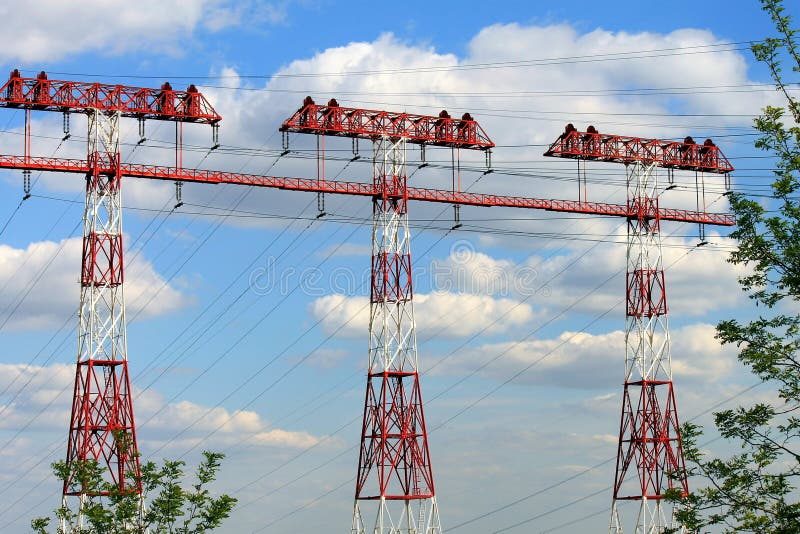
On September 5, a seventh IAEA-brokered local ceasefire took effect so Ukrainian technicians could repair the damaged 330-kilovolt transmission line. Repairs began after the area was demined, with IAEA experts monitoring. All six reactors are shut down, but the plant still needs electricity to cool spent fuel.

Why it matters

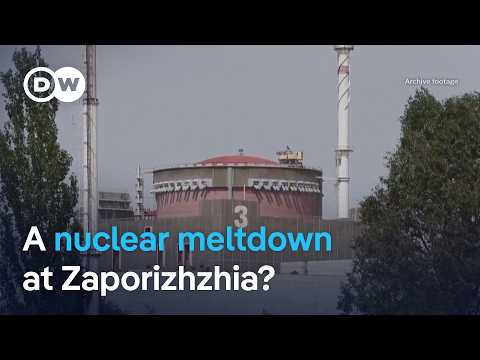
With diesel nearly gone, a failed repair could leave spent fuel uncooled and release radiation across an active war zone.

Questions about this story

Free account needed to ask — your question is kept and asked for you right after sign-up. Answers are public.

No questions yet — be the first to ask.

Key Indicators

7
IAEA-brokered ceasefires at the plant
The September 5 truce is the seventh localized ceasefire negotiated since the plant's occupation began in 2022.
16
Days without external power
The plant has relied solely on emergency diesel generators since August 20, 2026.
6
Reactors needing cooling
All six reactors are in cold shutdown, but spent fuel storage still requires continuous electricity for cooling.
10
External power lines before the war
The plant had access to 10 transmission lines before Russia seized it; only one remained by August 2026, and that line was severed.

Voices

Curated perspectives — historical figures and your fellow readers.

Ever wondered what historical figures would say about today's headlines?

Sign up to generate historical perspectives on this story.

People Involved

Organizations Involved

Timeline

March 2022 September 2026

4 events Latest: 7 days ago
Tap a bar to jump to that date
  1. Seventh IAEA-brokered ceasefire takes effect

    Latest Diplomatic agreement

    Localized truce allows Ukrainian technicians to begin repairing the Ferroplavna-1 power line after demining. IAEA experts monitor the work.

  2. Plant loses its last external power line

    Infrastructure failure

    Military activity on the Dnipro River's north bank severs the 330 kV Ferroplavna-1 line, the plant's sole remaining grid connection.

  3. Plant switches to emergency diesel generators

    Emergency response

    With no grid power, the plant begins relying on backup diesel generators to cool six reactors and spent fuel pools.

  4. Russian forces capture Zaporizhzhia NPP

    Military seizure

    Russian troops take the plant after fighting, triggering a fire and international alarm.

Scenarios

1

Power line repaired, Zaporizhzhia plant reconnected to grid

Likely Resolves by Q3 2026

Discussed by: IAEA Director General Rafael Grossi, who said both sides engaged constructively on nuclear safety this time

Ukrainian technicians complete repairs on the 330 kV Ferroplavna-1 line under the ceasefire, restoring off-site power before diesel runs out. The pattern matches previous ceasefires where line repairs succeeded despite active fighting nearby.

2

Diesel resupply reaches plant, buying more time

Possible Resolves by Sep 20, 2026

Discussed by: IAEA, which identified fuel delivery as the alternative to power restoration

If line repairs stall or fail, the ceasefire window allows fuel convoys to reach the plant, replenishing diesel reserves and extending the operating window for generators by weeks or months. This keeps the plant safe while a longer-term solution is negotiated.

3

Ceasefire collapses, plant faces station blackout

Unlikely Resolves by Sep 15, 2026

Discussed by: IAEA warning that a blackout looms within days without power restoration or fuel delivery

Fighting resumes before repairs are complete, diesel runs out with no resupply, and the plant loses all power. Cooling systems fail, triggering the worst-case nuclear safety scenario the IAEA has tried to prevent since 2022.

Historical Context

3 moments from history that rhyme with this story — and how they unfolded.

April 1986

Chernobyl disaster (1986)

A reactor explosion at the Chernobyl plant in northern Ukraine released massive radiation across Europe, forcing the evacuation of hundreds of thousands of people.

Then

A 30-kilometer exclusion zone was established; 350,000 people were permanently relocated.

Now

Chernobyl remains the benchmark for nuclear catastrophe, with billions spent on containment and cleanup.

Why this matters now

Chernobyl is the reason nuclear safety at Zaporizhzhia carries such weight. A radiation release from Europe's largest plant would dwarf the 1986 disaster's scale.

March 2011

Fukushima Daiichi meltdown (2011)

A magnitude 9.0 earthquake and tsunami knocked out external power and backup generators at Japan's Fukushima Daiichi plant, causing three reactor meltdowns and a major radiation release.

Then

More than 150,000 people evacuated from the surrounding area; large zones remain contaminated.

Now

Global nuclear safety standards were overhauled, with new requirements for backup power and emergency preparedness.

Why this matters now

Fukushima showed what happens when a nuclear plant loses all cooling power. Zaporizhzhia's reliance on diesel generators is a direct parallel to the backup system that failed in Japan.

September-December 2022

Zaporizhzhia NPP grid disconnections (2022)

The plant repeatedly lost external power lines during fighting in late 2022, at one point running solely on diesel generators while IAEA experts watched from inside.

Then

Each outage was resolved through repairs or alternative connections, keeping cooling systems running.

Now

The plant's power infrastructure degraded progressively, leaving it dependent on a single line by 2026.

Why this matters now

The 2022 outages established the pattern of IAEA-brokered ceasefires and repair operations that continues today. They also demonstrated the plant can survive extended outages if diesel holds out.

Sources

(5)