

Pull to refresh
Logo
US finalizes 264% combined duties on Chinese van-type trailers

US finalizes 264% combined duties on Chinese van-type trailers

Rule Changes

Commerce and ITC conclude year-long probe; deposits apply to entries since June 2026

Overview

Updated Oct 31

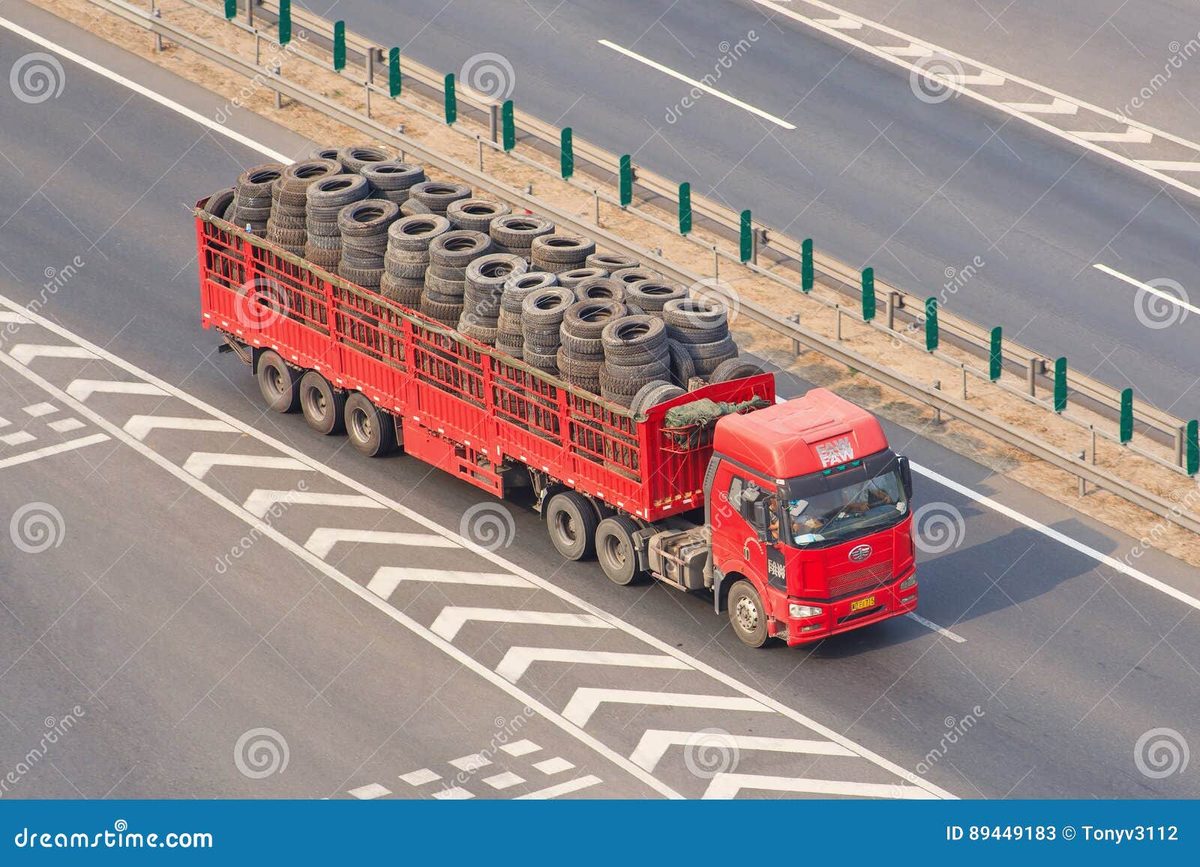
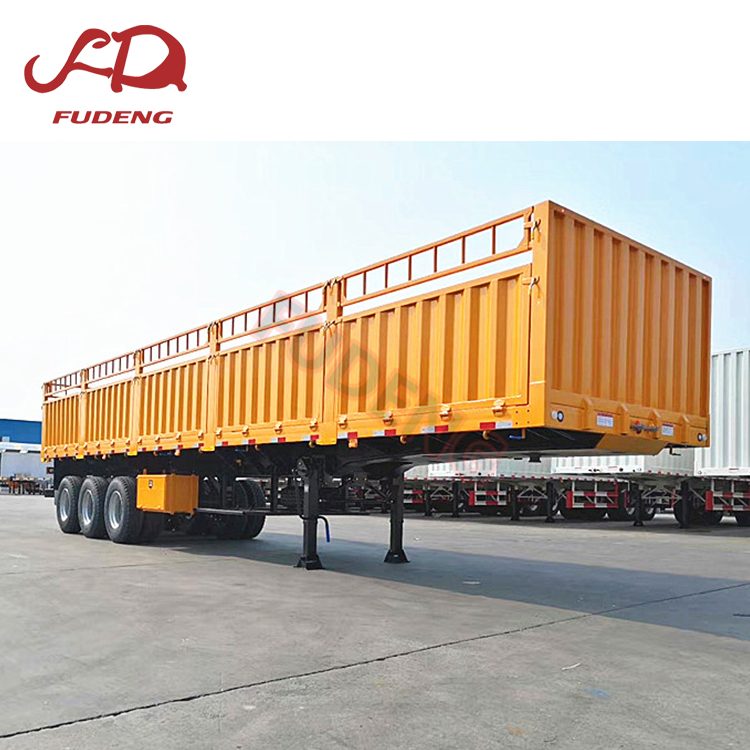
Chinese-built van-type trailers now face combined cash deposits of 264.48% of their value at U.S. ports. Commerce issued final antidumping and countervailing duty orders on October 28, ending an 11-month investigation that began with complaints from three U.S. trailer makers.

The antidumping rate is 129.73% and the countervailing rate is 134.75%, both applied to all Chinese producers. The duties reach back to June 2026: antidumping covers entries from June 15 and countervailing from June 5. Importers owe deposits on trailers already in transit. The American Trailer Manufacturers Coalition says the sector supports about 10,000 direct U.S. jobs. Freight carriers may feel the cost first.

Why it matters

If the duties hold, Chinese van trailers largely vanish from U.S. roads, raising freight costs and testing whether domestic factories can fill the gap.

Questions about this story

Free account needed to ask — your question is kept and asked for you right after sign-up. Answers are public.

No questions yet — be the first to ask.

Key Indicators

264.48%
Combined cash deposit rate
129.73% antidumping plus 134.75% countervailing duty for the China-wide entity.
129.73%
Antidumping deposit rate
Adjusted for export subsidy offset from the 130.86% weighted-average margin.
134.75%
Countervailing duty subsidy rate
Applies to all Chinese producers, including companies and the China-wide entity.
~10,000
Direct U.S. jobs claimed
Coalition figure for the domestic trailer industry the petitions aim to protect.

Voices

Curated perspectives — historical figures and your fellow readers.

Sign up to generate historical perspectives on this story.

Organizations Involved

Timeline

November 2025 October 2026

8 events Latest: October 28th, 2026 · 2 weeks ago
Tap a bar to jump to that date
  1. AD and CVD orders issued

    Latest Order

    Commerce issues final duty orders; cash deposits take effect immediately.

Scenarios

1

Chinese van trailer imports collapse under 264% duties

Likely Resolves by Q2 2027

Discussed by: Bloomberg Law trade reporters; the coalition expects a rapid decline

Cash deposits of roughly 264% mean importers pay about 2.6 times the trailer's value on top of the purchase price. Importers must either stop buying or absorb the duties in their margins. Precedent from solar panels and steel suggests entry volumes shrink sharply within quarters. The U.S. market then shifts to domestic makers or alternative suppliers.

2

Canada or Mexico closes the circumvention loophole

Possible Resolves by Q1 2027

Discussed by: American Trailer Manufacturers Coalition; Wabash investor statement

The coalition warns that trailers assembled in Canada from Chinese subassemblies could bypass the U.S. orders. Canada and Mexico have their own investigations into Chinese van-type trailers and subassemblies, which Wabash says are advancing toward final decisions with no dates given. If either country imposes duties, the loophole closes. If not, Chinese parts could flow through their factories into the U.S.

3

Domestic trailer prices rise as import competition recedes

Possible Resolves by Aug 31, 2027

Discussed by: Bloomberg Law; the case's stated purpose per the Commerce orders

With Chinese trailers priced out of the market, Great Dane, Stoughton, and Wabash gain pricing power. Whether they raise prices or hold them to win market share is the open question. Wabash is the only publicly traded petitioner, so its quarterly disclosures will show the answer.

Historical Context

2 moments from history that rhyme with this story — and how they unfolded.

2012-2024

U.S.-China solar panel trade war (2012)

Commerce imposed antidumping and countervailing duties on Chinese solar panels in 2012 after U.S. manufacturers alleged dumping. Chinese producers responded within two years by opening factories in Malaysia, Thailand, and Vietnam to keep serving the U.S. market.

Then

Chinese panel imports fell, but shipments from Southeast Asian plants rose to take their place.

Now

Commerce opened an anti-circumvention inquiry in 2022 and, in 2024, extended duties to panels assembled in Cambodia, Malaysia, Thailand and Vietnam.

Why this matters now

The trailer coalition is already warning that trailers assembled in Canada from Chinese subassemblies could dodge today's U.S. orders — a pattern the solar case shows plays out in years, not decades.

September 2009 - September 2012

China tire safeguard tariffs (2009-2012)

President Obama imposed tariffs of up to 35% on Chinese tires in September 2009 under the safeguard provision China accepted when joining the WTO. Chinese tire shipments to the U.S. fell sharply within the first year.

Then

Imports from Thailand, Indonesia, and other countries replaced much of the lost volume, and U.S. tire prices rose.

Now

A 2012 ITC study estimated consumers paid about $1.1 billion more during the three-year tariff period. The tariffs expired in September 2012.

Why this matters now

The trailer orders impose far steeper duties than the tire case and face the same question: whether they restore domestic production or merely shift where trailers come from.

Sources

(9)