
Pull to refresh
Logo
A divided Fed weighs its September rate decision

A divided Fed weighs its September rate decision

Money Moves

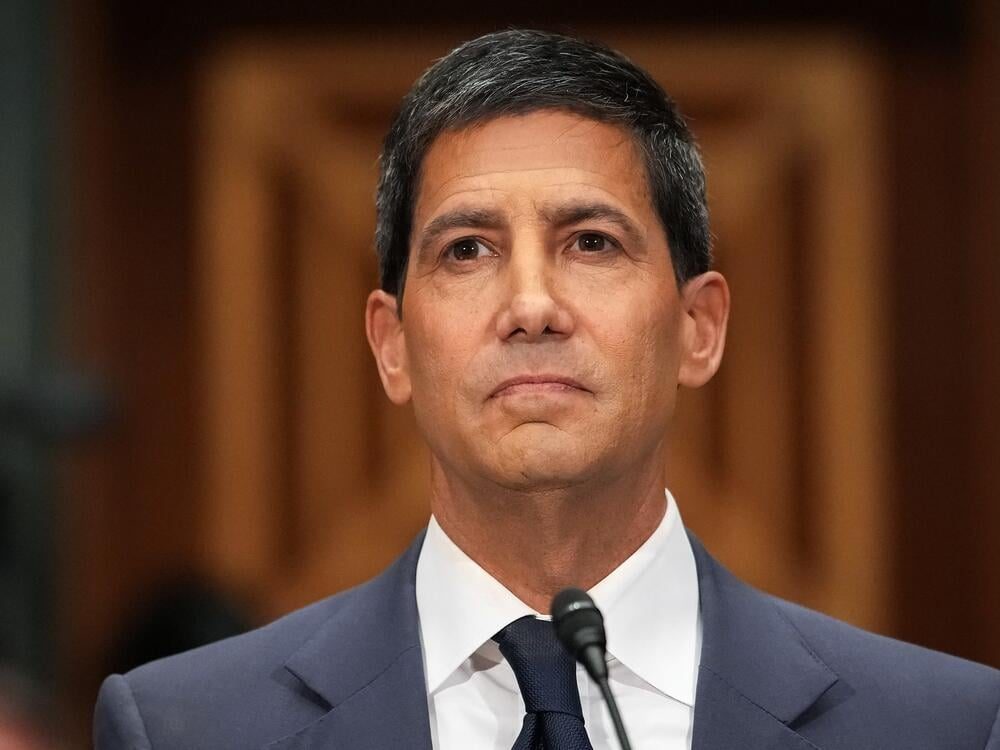
Weak July hiring collides with inflation stuck above target as new chair Kevin Warsh faces a three-way split

August 7th, 2026: July jobs report released into the debate

Overview

Updated Aug 7

The government's July jobs report landed Friday morning, and it walked straight into a fight. The Federal Reserve is split over what to do with interest rates in September, and this data feeds the argument.

Weak hiring argues for cutting rates to protect jobs. Inflation stuck above the Fed's 2% target for five years argues for raising them. New Fed chair Kevin Warsh has to pick a side by September 16.

Why it matters

The Fed's September call sets mortgage, car loan, and credit card rates for millions caught between a cooling job market and stubborn inflation.

Questions about this story

Free account needed to ask — your question is kept and asked for you right after sign-up. Answers are public.

No questions yet — be the first to ask.

Key Indicators

57,000
June job gains
Well below forecast, with the prior two months revised down by 74,000.
~83,000
Forecast July job gains
Economists expected another soft month before the report's release.
4.2%
Unemployment rate
Little changed for months, though a falling participation rate flatters it.
9-3
July FOMC vote to hold
Three regional Fed presidents dissented, all wanting a rate hike.
~80%
Market odds of a September hike
Pricing shifted toward a hike after the July hold, per futures markets.

Voices

Curated perspectives — historical figures and your fellow readers.

Ever wondered what historical figures would say about today's headlines?

Sign up to generate historical perspectives on this story.

People Involved

Organizations Involved

Timeline

May 2026 August 2026

4 events Latest: August 7th, 2026 · 1 month ago
Tap a bar to jump to that date
  1. July jobs report released into the debate

    Latest Economic Data

    The BLS releases the July employment report. Economists had forecast about 80,000 to 85,000 jobs added and unemployment near 4.2%, extending a run of weak hiring.

  2. Divided Fed holds rates steady

    Rate Decision

    The Fed holds the federal funds rate at 3.5%-3.75% in a 9-3 vote. Three regional presidents dissent, each wanting a quarter-point hike to fight inflation.

  3. June jobs report shows sharp slowdown

    Economic Data

    Employers add just 57,000 jobs in June. Gains for the prior two months are revised down by 74,000, the slowest hiring since February.

  4. Senate confirms Warsh as Fed chair

    Appointment

    The Senate confirms Kevin Warsh 54-45 to succeed Jerome Powell, one of the closest votes for a Fed chair in modern times.

Scenarios

1

Fed raises rates in September to fight inflation

Likely Resolves by Sep 17, 2026

Discussed by: J.P. Morgan Wealth Management strategists; futures markets pricing roughly 76%-82% odds

Inflation stays above target and energy costs stay high on the Middle East conflict. The three July dissenters win over enough colleagues, and Warsh sides with the inflation hawks. The committee lifts the federal funds rate by a quarter point, the first hike in years.

2

Fed holds again as it waits for clearer data

Possible Resolves by Sep 17, 2026

Discussed by: CNBC and Reuters coverage of the FOMC's data-dependent stance

The weak labor market and firm inflation cancel out. Warsh keeps the committee on hold to buy time, unwilling to hike into a cooling job market or cut with inflation still high. Rates stay at 3.5%-3.75%, and the fight rolls into the October and December meetings.

3

Fed cuts rates as the job market weakens

Unlikely Resolves by Sep 17, 2026

Discussed by: President Trump, who has pressed publicly for lower rates

The July and August jobs reports come in weak enough to shift the debate toward protecting employment. Doves argue the labor market is cracking, and Warsh moves to ease. The committee cuts the federal funds rate by a quarter point despite lingering inflation.

Historical Context

3 moments from history that rhyme with this story — and how they unfolded.

1971-1978

The Burns Fed and political pressure (1971-1978)

Fed chair Arthur Burns kept money loose while President Nixon pushed for low rates before the 1972 election. Inflation took hold and stayed high through the decade.

Then

Nixon won reelection amid a booming economy in 1972.

Now

Entrenched inflation forced the painful Volcker tightening years later.

Why this matters now

Warsh has cited Burns as a warning about a Fed that bends to the White House, the exact charge critics could level if he cuts under Trump's pressure.

1979-1982

Volcker's inflation fight (1979-1982)

Paul Volcker became Fed chair in 1979 with inflation near 13%. He pushed the federal funds rate above 19% by 1981. That triggered a deep recession and drove unemployment near 11%.

Then

The economy fell into back-to-back recessions and millions lost jobs.

Now

Inflation broke and fell below 4% by 1983, restoring the Fed's credibility for a generation.

Why this matters now

It is the clearest case of the Fed choosing to crush inflation at the cost of jobs, the same trade-off Warsh's committee now debates.

December 2018-October 2019

Powell's 2018-2019 pivot

The Fed under Jerome Powell raised rates four times in 2018 as Trump attacked the moves. When growth slowed, the Fed reversed and cut rates three times in 2019.

Then

Markets rallied on the pivot to easier policy.

Now

It set off a long debate over whether the Fed had caved to political and market pressure.

Why this matters now

It is the most recent example of the Fed changing course as data softened and a president pushed for cuts, the setup Warsh faces now.

Sources

(9)