
Pull to refresh
Logo
America expands its missile-defense launch capacity

America expands its missile-defense launch capacity

Built World

The Pentagon buys more suborbital test flights to clear a hypersonic testing backlog

July 27th, 2026: Rocket Lab wins record $266M Kodiak contract

Overview

Updated Jul 27

The Pentagon can't fly hypersonic weapons tests fast enough. On July 27, it handed Rocket Lab $266 million to help fix that.

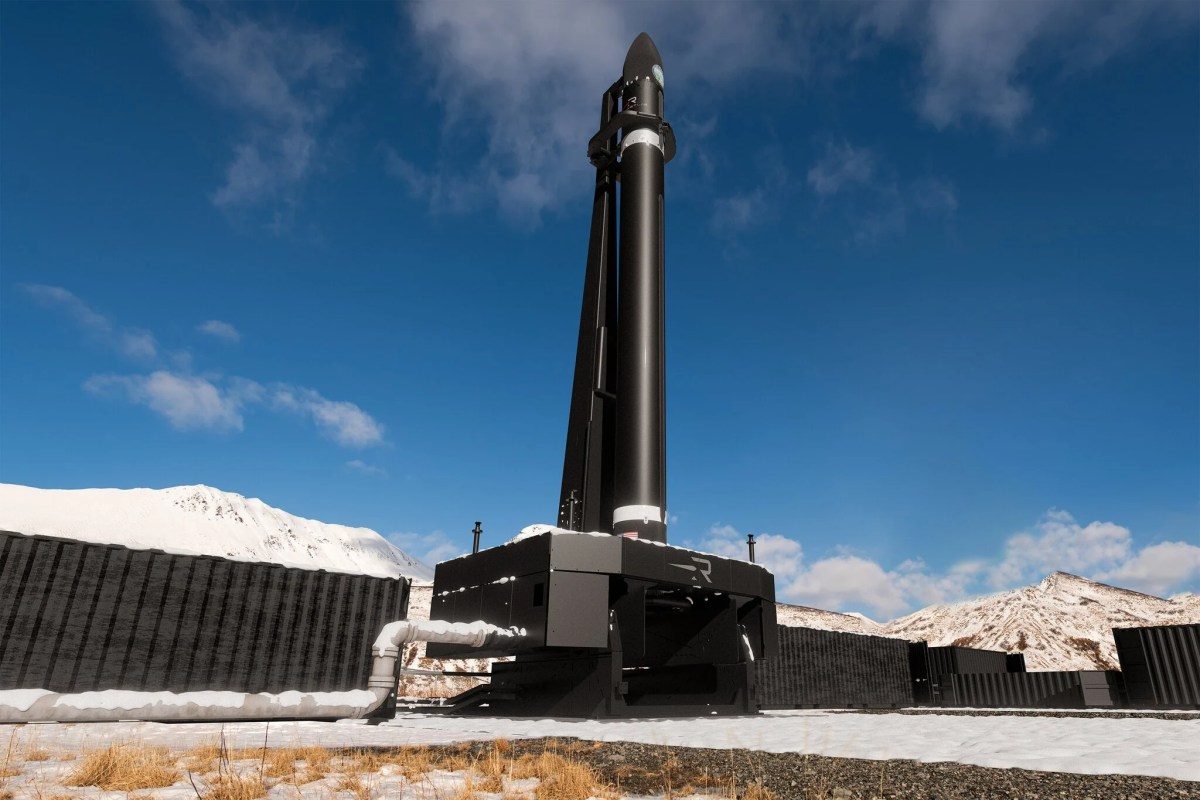
The money buys at least 12 suborbital test launches from a new pad on Kodiak Island, Alaska, through 2028. It is the largest contract in Rocket Lab's history. It also widens the small group of companies the military trusts to launch missile-defense and hypersonic tests.

Why it matters

The Pentagon's missile-defense plans depend on test flights it can't schedule fast enough. This contract buys 12 more.

Questions about this story

Free account needed to ask — your question is kept and asked for you right after sign-up. Answers are public.

No questions yet — be the first to ask.

Key Indicators

$266M
Contract value
The largest launch award in Rocket Lab's history.
12
Firm test launches
Plus options for six more, for up to 18 missions.
$112M
Already obligated
Funds committed at the time of the award.
4th
Rocket Lab launch site
Kodiak joins pads in New Zealand and Virginia.
$190M
Prior HASTE deal
A March 2026 award made HASTE the lead launcher for the MACH-TB 2.0 test program.

Voices

Curated perspectives — historical figures and your fellow readers.

Ever wondered what historical figures would say about today's headlines?

Sign up to generate historical perspectives on this story.

People Involved

Organizations Involved

Timeline

January 2025 July 2026

5 events Latest: July 27th, 2026 · 2 months ago
Tap a bar to jump to that date
  1. Rocket Lab wins record $266M Kodiak contract

    Latest Contract

    Space Systems Command awards Rocket Lab $266 million for up to 18 suborbital missile-defense launches from a new Kodiak, Alaska pad through 2028.

  2. GAO flags hypersonic testing delays

    Oversight

    A Government Accountability Office report finds Pentagon hypersonic programs slipping on schedule, with the first ship-based test pushed to 2027.

  3. Rocket Lab lands $190M hypersonic deal

    Contract

    A $190 million award makes Rocket Lab's HASTE vehicle the lead launcher for MACH-TB 2.0 over four years.

  4. Kratos wins the MACH-TB 2.0 program

    Contract

    The Pentagon awards Kratos a deal worth up to $1.45 billion to run a program built to fly hypersonic tests more often.

  5. Trump orders a national missile shield

    Policy

    An executive order launches the homeland missile-defense effort later named Golden Dome, raising demand for interceptor and hypersonic testing.

Scenarios

1

Rocket Lab flies its first Kodiak mission on schedule

Possible Resolves by End of 2026

Discussed by: SpaceNews, Rocket Lab investor releases

Rocket Lab says the first launch will come no earlier than late 2026. If the new Kodiak pad and HASTE are ready, the company flies at least one suborbital mission before the year ends and shows the contract is moving.

2

Space Force exercises all six option launches

Uncertain Resolves by End of 2028

Discussed by: GovConWire, Space Systems Command contract notices

The base deal covers 12 launches with options for six more. Strong early results and steady missile-defense demand could push Space Systems Command to exercise every option, taking the program to 18 flights.

3

Rocket Lab completes all 12 firm launches by the deadline

Uncertain Resolves by End of 2028

Discussed by: SpaceNews, Aviation Week

The contract requires the 12 firm launches by the end of 2028. Pad delays, HASTE issues, or classified-payload scheduling could stretch the pace. Clearing all 12 on time would prove the company can deliver a high launch cadence.

4

A rival wins a competing suborbital missile-defense launch deal

Possible Resolves by End of 2027

Discussed by: National Defense Magazine, defense trade press

The Pentagon wants more than one supplier for test launches. Another company, such as Stratolaunch, SpaceX, or Northrop Grumman, could win a comparable suborbital missile-defense or hypersonic launch contract, spreading the work further.

Historical Context

3 moments from history that rhyme with this story — and how they unfolded.

March 1983

Strategic Defense Initiative (1983)

President Reagan proposed a space-based shield against Soviet missiles, nicknamed "Star Wars." The plan poured billions into interceptors and tests.

Then

The program spent heavily but never fielded a working shield.

Now

Its research seeded much of today's missile-defense technology and test ranges. The ambition outran the engineering.

Why this matters now

Golden Dome revives the same goal and the same appetite for constant testing, which is the demand Rocket Lab is being paid to meet.

2010-2013

X-51A Waverider hypersonic tests (2010-2013)

The Air Force's experimental X-51A tried to prove sustained hypersonic flight. Over four years it flew just four times, and two flights failed.

Then

The final 2013 flight held Mach 5.1 for over three minutes, a record. Then the program ended.

Now

It proved scramjet flight worked but showed how rare and costly each test was. Low cadence slowed U.S. progress for years.

Why this matters now

The Kodiak deal is meant to break that pattern by making hypersonic test flights routine instead of rare.

2014-2020

SpaceX breaks ULA's launch monopoly (2014-2020)

For years United Launch Alliance held a near-lock on U.S. national security launches. In 2014 SpaceX sued the Air Force for the right to compete. By 2016 it flew its first military mission.

Then

The Air Force certified SpaceX and began splitting launches between two providers. Prices dropped.

Now

Competition became policy. The Pentagon now keeps several launch vendors under contract on purpose.

Why this matters now

This deal follows the same logic: widen the pool so no single company controls missile-defense launches.

Sources

(7)