



Medicare and Medicaid launch triggers first cost explosion (1965-1970)
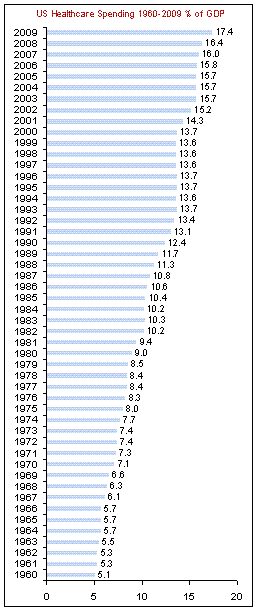
President Lyndon Johnson signed Medicare and Medicaid into law in July 1965, extending government-funded health coverage to 19 million elderly Americans and millions of low-income citizens. Health spending surged from 5.7 percent of GDP in 1965 to 7.0 percent by 1970 as tens of millions of previously uninsured people entered the system.
Hospital revenues soared and the provider sector expanded rapidly to absorb new demand.
Established the pattern of coverage expansion driving spending growth that policymakers have tried to break ever since—the same dynamic the Cutler-Klarnet paper now says has finally changed.
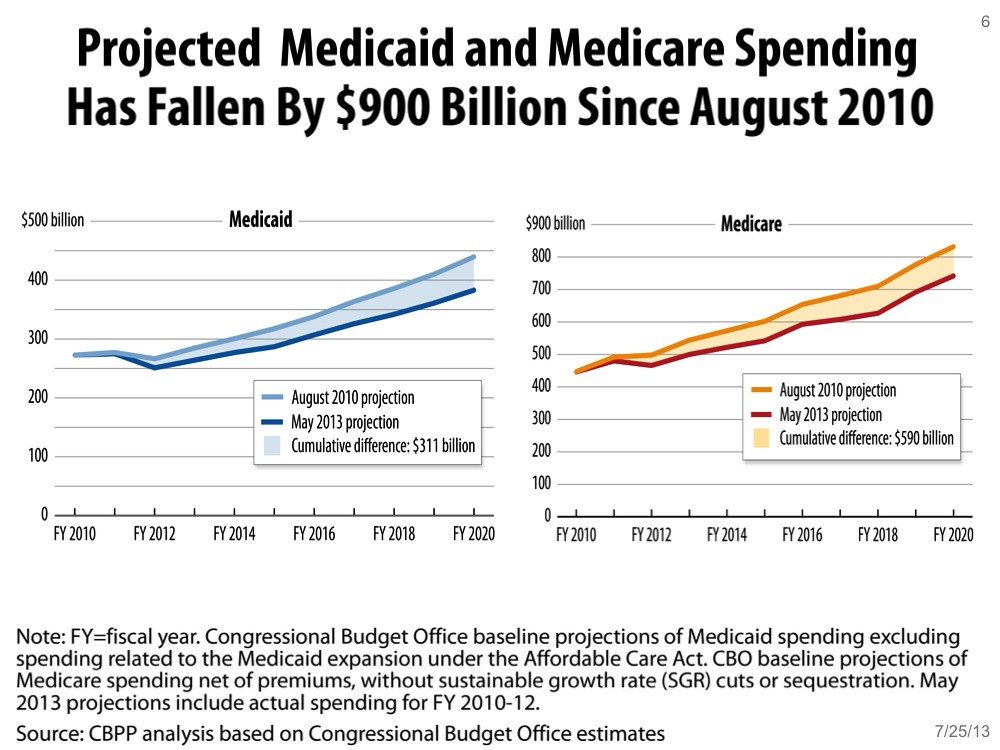
The 2010-2024 period inverts this pattern: the ACA expanded coverage to roughly 20 million people while spending growth simultaneously slowed, breaking a 45-year historical link between more coverage and faster cost growth.