
Pull to refresh
Logo
UN peacekeeping mission in Western Sahara ends after 35 years

UN peacekeeping mission in Western Sahara ends after 35 years

Force in Play

The UN has begun dismantling MINURSO and put Alexander Ivanko in charge, while Polisario warns the fighting could escalate and Mauritania clears its border.

Overview

Updated 2 days ago

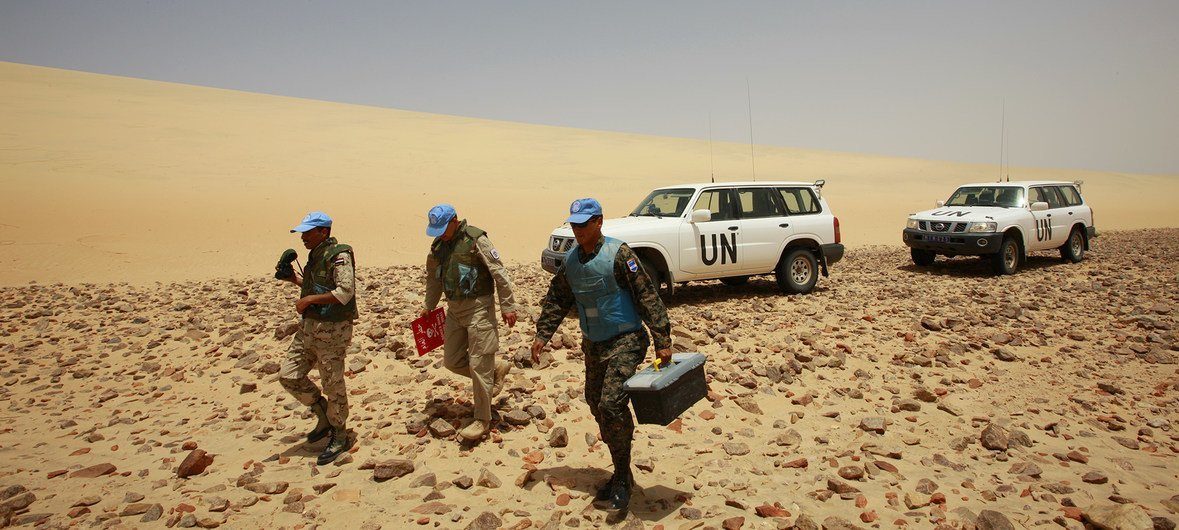
The United Nations has started dismantling its Western Sahara mission and named a former envoy, Alexander Ivanko, to run the withdrawal. About 160 military observers and 180 civilian staff are being sent home, and 13 facilities are closing.

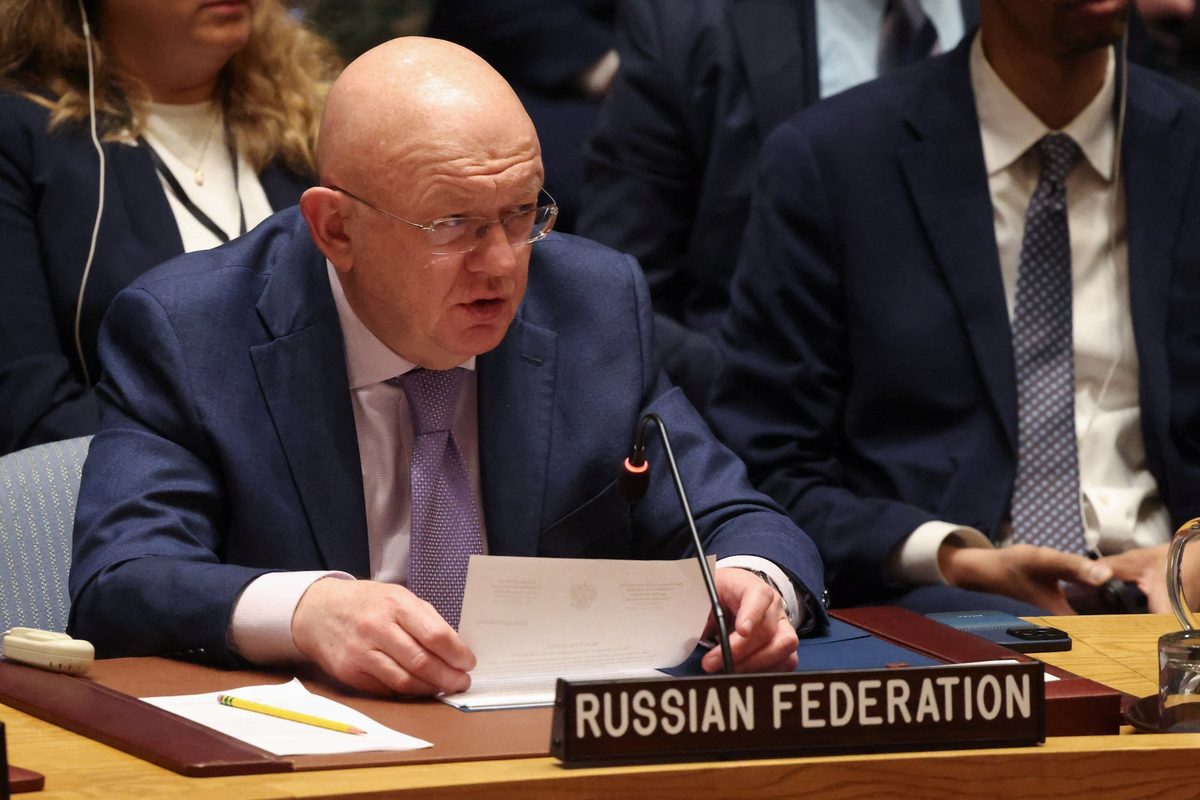
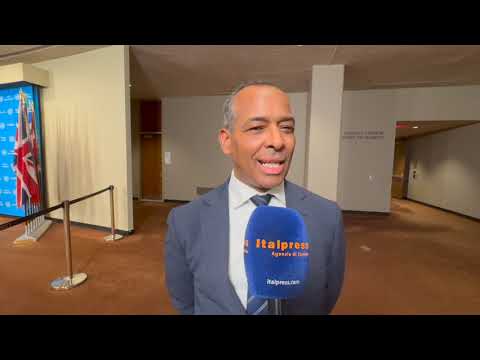
Polisario's foreign minister, Mohamed Yeslem Beissat, said the Russian veto kept the legal case for self-determination alive, and warned the conflict could escalate without UN observers. Morocco says its voluntary ceasefire commitment is unchanged. Mauritania has told people near the border to move away, and the General Assembly debates the vetoes on 10 November.

Why it matters

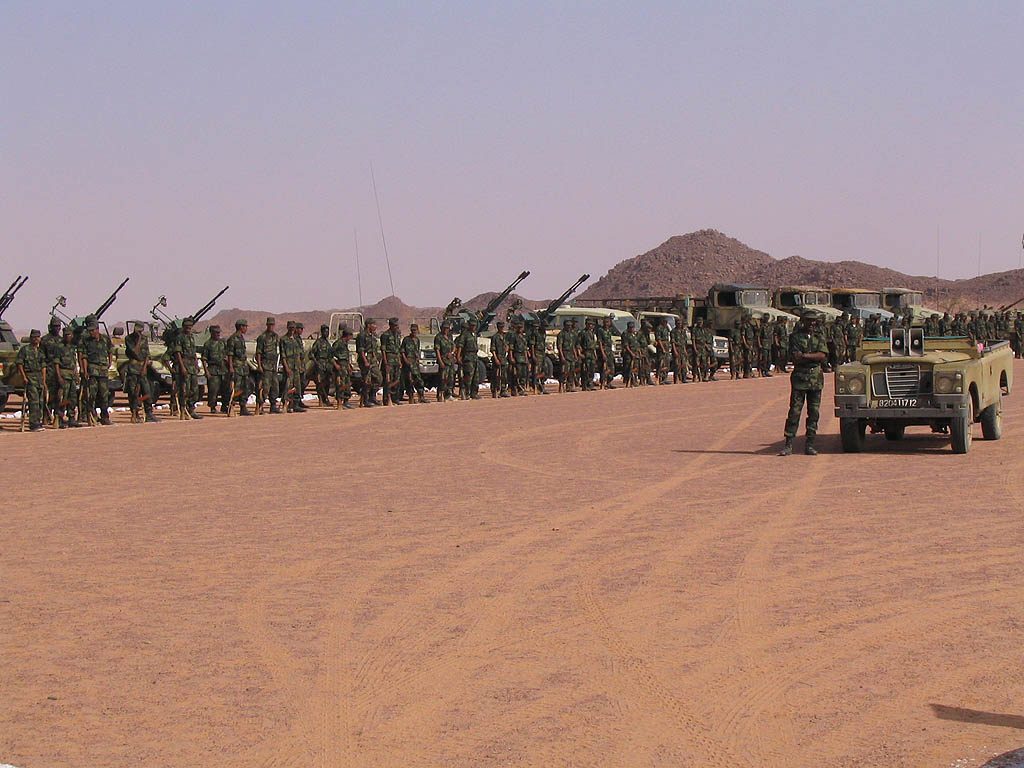
With no UN observers left, drone strikes and skirmishes along a 2,700-kilometre sand wall can no longer be independently verified.

Questions about this story

Free account needed to ask — your question is kept and asked for you right after sign-up. Answers are public.

No questions yet — be the first to ask.

Key Indicators

35 years
Duration of the mission
MINURSO operated from April 1991 until its mandate expired on 31 October 2026.
~340
Personnel at the end
About 160 military observers and 180 civilian and affiliated personnel are being repatriated.
13
Facilities closing
The liquidation team is shutting 13 UN facilities and disposing of equipment.
2,700 km
Length of the sand wall
The barrier separating Moroccan-controlled territory from Polisario-held areas.

Voices

Curated perspectives — historical figures and your fellow readers.

Sign up to generate historical perspectives on this story.

People Involved

Organizations Involved

Timeline

November 1975 November 2026

16 events Latest: 4 days ago Showing 8 of 16
Tap a bar to jump to that date
  1. Polisario warns of escalation without UN monitors

    Latest Statement

    Sahrawi foreign minister Mohamed Yeslem Beissat said the Russian veto preserved the legal basis for self-determination and warned the conflict could turn back to war.

  2. UN names Alexander Ivanko to lead liquidation

    Appointment

    Secretary-General António Guterres appointed the former Western Sahara special representative to head the team closing MINURSO, the UN said.

  3. Morocco says ceasefire commitment is unchanged

    Diplomacy

    After MINURSO's mandate lapsed, Morocco said its voluntary commitment to the ceasefire would not change.

  4. South Africa calls MINURSO's end a setback

    Diplomacy

    South Africa's foreign ministry said the mission's closure was a setback but did not extinguish the Sahrawi right to self-determination.

  5. General Assembly schedules 10 November veto debate

    Diplomacy

    The General Assembly will meet on 10 November under its veto initiative to discuss the Security Council's failure to renew MINURSO.

  6. Mission ceases operations; liquidation begins

    Statement

    Guterres confirms the end of the mission, warns of escalation risk and urges restraint. A reduced team begins returning assets to troop-contributing countries.

  7. Morocco welcomes MINURSO's expiry

    Diplomacy

    Morocco's royal palace called the non-renewal a significant development and said MINURSO's personnel and equipment should leave in the coming days. Crowds celebrated in Laayoune.

  8. Mauritania tells citizens to leave the border zone

    Security

    Mauritanian authorities urged residents and herders near the Western Sahara frontier to move away and avoid areas of uncertain demarcation as MINURSO withdrew.

  9. Algeria voices 'deep regret' at MINURSO's expiry

    Diplomacy

    Algeria's Foreign Ministry blamed what it called excessive US bias toward Morocco for the failure to renew the mission.

  10. Competing drafts fail in the Security Council

    Diplomacy

    The US draft wins 11 votes but is vetoed by Russia. A Russian counter-draft draws three votes in favour and is rejected.

  11. Security Council backs Morocco's autonomy plan

    Diplomacy

    A US-drafted resolution accepts autonomy under Moroccan sovereignty as the most feasible solution to the conflict.

  12. Ceasefire collapses

    Conflict

    Fighting resumes along the sand wall. MINURSO becomes an observer mission to a low-intensity war with drone attacks.

  13. Morocco presents autonomy proposal

    Diplomacy

    Rabat proposes self-government for Western Sahara under Moroccan sovereignty as the basis for negotiations.

  14. Security Council creates MINURSO

    Diplomacy

    Resolution 690 establishes a mission to monitor a ceasefire and prepare a referendum on independence or integration with Morocco.

  15. Spain withdraws; Morocco claims the territory

    History

    Spain ends its colonial rule. Morocco launches the Green March and takes control of most of Western Sahara; the Polisario Front declares a Sahrawi Republic.

Scenarios

1

Security Council approves a short technical extension

Possible Resolves by Q1 2027

Discussed by: African Security Analysis, which called a narrowly framed arrangement the most plausible immediate response

After the vetoes, the likeliest diplomatic move is a short extension that separates the mission's continuity from the dispute over autonomy and self-determination. That would restore observers and mine-action support without settling sovereignty. As of 3 November, no such compromise had been adopted; the General Assembly will debate the vetoes on 10 November.

2

Monitoring vacuum persists as low-intensity fighting continues

Likely Resolves by Oct 31, 2027

Discussed by: African Security Analysis and former MINURSO officials quoted by El País

Without observers, incidents along the 2,700-kilometre sand wall become harder to verify. The Secretary-General has warned of escalation. A weaker monitoring environment could let local incidents go unrecorded or be exploited politically.

3

De Mistura brokers a renewed political framework

Unlikely Resolves by End of 2027

Discussed by: UN officials, who say mediation continues through the personal envoy

The UN says it will keep working through Staffan de Mistura. A joint framework would require Morocco and the Polisario Front to agree on talks that do not prejudge sovereignty. Neither side has accepted such terms in three decades of negotiation.

4

A buffer-zone incident pulls Morocco and Polisario into wider fighting

Possible Resolves by Nov 9, 2027

Discussed by: Riccardo Fabiani, North Africa project director at the International Crisis Group

With no UN observers in the buffer zone, a local clash could go unchecked and draw a larger response. Fabiani told Middle East Eye that Rabat might move into the buffer zone while Polisario strikes Moroccan bases from Algerian territory, a scenario he said MINURSO's disappearance makes more plausible.

Historical Context

3 moments from history that rhyme with this story — and how they unfolded.

2000-2008

UNMEE in Eritrea and Ethiopia (2008)

The UN Mission in Ethiopia and Eritrea monitored a contested border after a 2000 peace deal. Eritrea restricted fuel supplies and troop movement, and the Security Council ended the mission in July 2008.

Then

The border stayed tense with no UN observers in place.

Now

The two countries remained in a frozen standoff until a 2018 peace agreement.

Why this matters now

Shows what a monitoring vacuum looks like when a mission ends without a political settlement.

1988-1991

The 1991 Settlement Plan

Morocco and the Polisario Front accepted UN proposals for a ceasefire and a referendum in which Sahrawis would choose independence or integration with Morocco. The Security Council created MINURSO in April 1991 to carry it out.

Then

A ceasefire took hold, but disputes over voter identification stalled the referendum.

Now

MINURSO spent three decades as a monitoring mission rather than a referendum organizer.

Why this matters now

The mandate that just expired was built for a vote that was never held.

October 1975

ICJ advisory opinion on Western Sahara (1975)

The International Court of Justice found no ties of territorial sovereignty between Western Sahara and Morocco or Mauritania. Days later, Morocco launched the Green March as Spain prepared to withdraw.

Then

Spain withdrew, and Morocco took control of most of the territory.

Now

The Polisario Front declared a Sahrawi Republic and fought a guerrilla war until the 1991 ceasefire.

Why this matters now

The legal question was answered in 1975; the political one has not been.

Sources

(19)