
Pull to refresh
Logo
UK sanctions Sudanese commanders over El Fasher 'campaign of rape'

UK sanctions Sudanese commanders over El Fasher 'campaign of rape'

Rule Changes

Britain has frozen assets and banned travel for 15 commanders from both sides of Sudan's war. Drones are still hitting the country's power grid.

Overview

Updated Oct 29

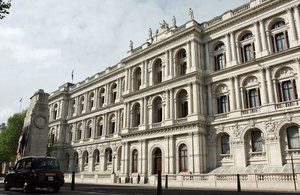
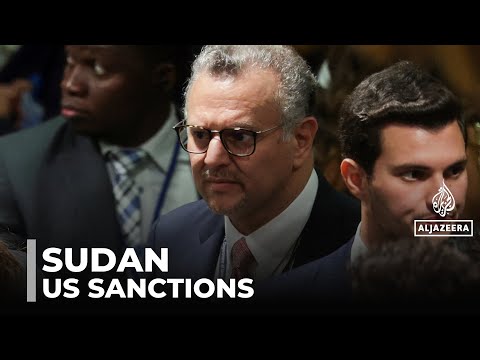
Britain froze the assets and banned the travel of 15 Sudanese commanders on 26 October 2026, a year after El Fasher fell to the Rapid Support Forces. The Foreign Office has not said whether any of them holds money in Britain.

London paired the measures with £15 million: £5 million for survivors of sexual violence and £10 million for aid. Since then drones have knocked out power stations across central Sudan and cut electricity to much of Khartoum, and the UN human rights office counted at least 306 drone deaths in the first three weeks of October. Amnesty International UK said the sanctions will not end the war without a ceasefire and a halt to British arms sales to the United Arab Emirates.

Why it matters

Britain's list names commanders from both armies, creating evidence that could support future war-crimes prosecutions in Sudan.

Questions about this story

Free account needed to ask — your question is kept and asked for you right after sign-up. Answers are public.

No questions yet — be the first to ask.

Key Indicators

15
Commanders sanctioned
Senior officers from the RSF and SAF face asset freezes and travel bans.
£15M
New UK funding package
£5 million for sexual violence survivors, £10 million for humanitarian response.
306
Drone deaths in October
UN Human Rights Office count for the first three weeks of October, in strikes blamed on both armies.
10,000
Civilians killed in two days
Estimated deaths after the RSF's takeover of El Fasher, per Guardian reporting.
18 months
Length of El Fasher siege
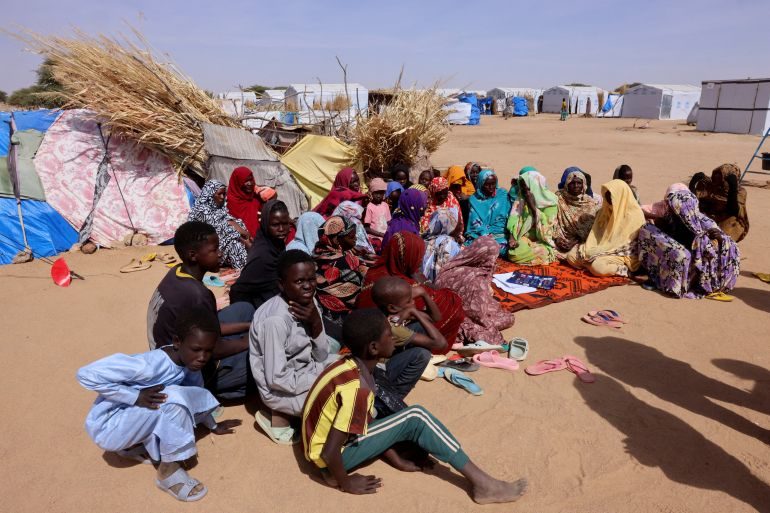
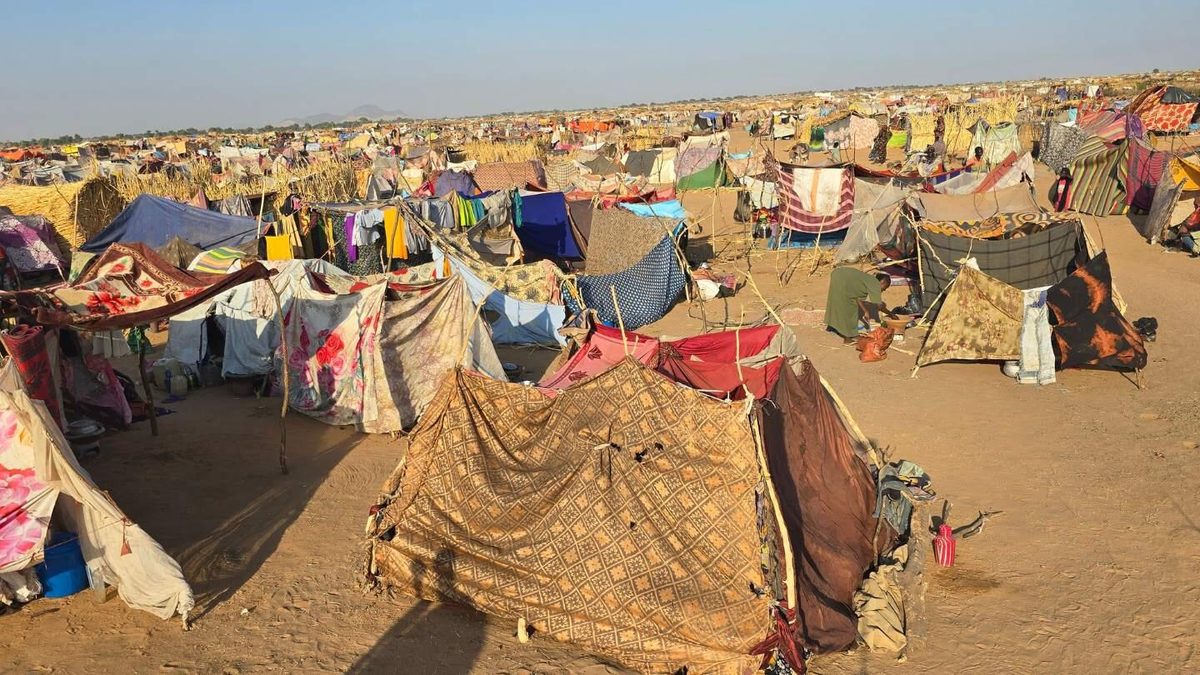
The siege starved hundreds of thousands before the city fell.

Voices

Curated perspectives — historical figures and your fellow readers.

Sign up to generate historical perspectives on this story.

People Involved

Organizations Involved

Timeline

April 2023 October 2026

9 events Latest: October 27th, 2026 · 2 weeks ago
Tap a bar to jump to that date
  1. Drone cuts power to much of Khartoum

    Latest Conflict

    Witnesses told Anadolu that a drone struck the Al-Markhiyat substation in north-west Omdurman. A source at the electricity company later told AFP that RSF drones carried out the attack; no group had claimed it publicly.

  2. UK sanctions 15 commanders from both sides

    Sanctions

    Britain freezes assets and bans travel for RSF and SAF officers suspected of atrocities, including sexual violence.

  3. Drones knock out five power substations in central Sudan

    Conflict

    The Sudan Electricity Holding Company said drones damaged substations at Singa, Al-Hawata, Al-Faw, Mashkur and Al-Junaid, blacking out the south-eastern grid across Sennar, Gedaref, White Nile and Gezira states. Guards at Singa were injured, and the company blamed the RSF.

  4. Strike on Nyala market kills at least 21

    Conflict

    A medic at Nyala Hospital and witnesses told AFP that 21 people were killed and more than 40 wounded. The RSF blamed the army, which said it struck RSF command centres.

  5. UN rights office counts 306 drone deaths in October

    Atrocity

    The UN Human Rights Office documented at least 306 deaths from drone strikes in the first three weeks of October, in attacks attributed to both armies.

  6. Amnesty says sanctions need a ceasefire to matter

    Reaction

    Amnesty International UK welcomed the designations and the £5 million for survivors but said the war will not end without a ceasefire, and called on Britain to stop arming the United Arab Emirates.

  7. El Fasher falls to RSF; mass atrocities reported

    Atrocity

    Massacres, mass rape, and ethnic killings follow the city's capture, with up to 10,000 civilians killed in two days.

  8. RSF begins siege of El Fasher

    Conflict

    The paramilitary force surrounds El Fasher, beginning an 18-month siege that starves hundreds of thousands.

  9. Civil war erupts between RSF and the army

    Conflict

    The Rapid Support Forces and Sudanese Armed Forces begin a full-scale war, displacing millions.

Scenarios

1

UK pushes for ICC investigation into El Fasher atrocities

Unlikely Resolves by Oct 26, 2027

Discussed by: The Coalition on Atrocity Prevention and Justice for Sudan; international law observers

The UK's sanctions and CIR evidence build a documentary record that could support an International Criminal Court referral. Sudan is not an ICC member, so a formal investigation requires a UN Security Council referral or Sudan's own consent. The Coalition statement marking the anniversary calls for collective action to prevent repeat atrocities, keeping pressure on the Security Council. Past referrals for Sudan have faced political obstacles at the Council.

2

UK expands sanctions as more evidence emerges

Likely Resolves by Apr 26, 2027

Discussed by: UK Foreign Office; Centre for Information Resilience

The UK has done five prior rounds of Sudan sanctions, and CIR released new reporting the same week showing siege tactics and sexual violence continuing across Sudan. Additional designations are likely as investigations surface more named perpetrators. The UK has indicated it views the El Fasher record as an evolving document that will continue to grow.

3

Sanctions help secure a sustained Darfur ceasefire

Uncertain Resolves by Oct 26, 2027

Discussed by: UN Security Council; humanitarian organizations

The sanctions signal international pressure on both belligerents. Humanitarian groups and the UN continue to push for a ceasefire, and UK officials have framed the sanctions as part of a broader accountability effort. Past ceasefire attempts in Sudan have failed, and the Coalition statement warns the risk of further large-scale atrocities remains acute.

4

Britain suspends arms export licences to the UAE over Sudan

Unlikely Resolves by Apr 30, 2027

Discussed by: Amnesty International UK crisis response manager Kristyan Benedict

Amnesty welcomed the sanctions and the survivor funding but said the war will not end without a ceasefire, and called on Britain to stop arming the United Arab Emirates. Britain has announced no change to those sales. Any suspension would be visible in government export licence announcements and parliamentary statements.

Historical Context

2 moments from history that rhyme with this story — and how they unfolded.

2003-2005

Darfur genocide (2003-2005)

Sudan's government armed the Janjaweed militias to crush a rebellion in Darfur. The campaign killed hundreds of thousands and displaced millions, with systematic rape and ethnic cleansing used as tools of war.

Then

The United States called the killings genocide in 2004. The Janjaweed later evolved into the Rapid Support Forces.

Now

The tactics used in Darfur — mass rape, ethnic targeting, starvation — now appear in El Fasher, carried out by the RSF's successor organization.

Why this matters now

The commanders sanctioned in 2026 trace their lineage to the Janjaweed. The same playbook is being used in the same region two decades later.

March 2009

ICC indictment of Omar al-Bashir (2009)

The International Criminal Court indicted Sudanese President Omar al-Bashir for genocide, war crimes, and crimes against humanity in Darfur. He evaded justice for over a decade while in power.

Then

Al-Bashir remained president until 2019, when he was deposed by a military coup.

Now

Al-Bashir remains unprosecuted, with Sudan's current government refusing to hand him over. The case shows how hard accountability is to achieve for Sudanese leaders.

Why this matters now

The UK sanctions build a documentary record that could support future prosecutions, but the Bashir case shows the limits of international justice for Sudan.

Sources

(14)