


Texas mid-decade redistricting (2003)
House Majority Leader Tom DeLay engineered a mid-decade redrawing of Texas's congressional map—the first such redraw in modern memory not tied to a court order or census. Texas Democratic legislators twice fled the state to deny the legislature a quorum, fleeing first to Oklahoma and later to New Mexico. Republicans eventually passed the map, which flipped roughly six U.S. House seats from Democratic to Republican control.
The redraw delivered a net gain of about six House seats for Republicans in 2004 and was upheld in most respects by the U.S. Supreme Court in League of United Latin American Citizens v. Perry (2006), though one district was struck down under the Voting Rights Act.
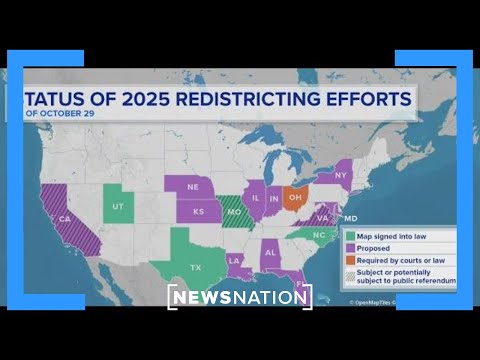
The 2003 Texas plan established that mid-decade redraws were legally permissible if the right political conditions held—directly supplying the precedent now being used by the 2025–2026 wave of state-level redraws.
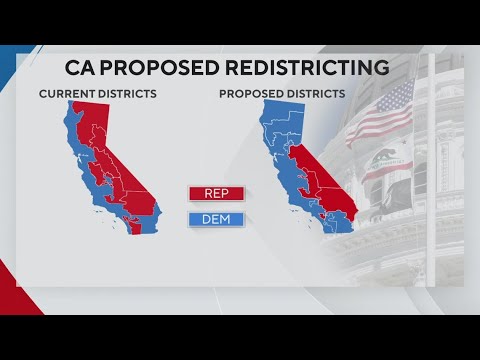
The 2003 Texas redraw is the template the current effort explicitly follows. What is new in 2025–2026 is its scale: instead of a single state acting opportunistically, the White House is coordinating a multi-state campaign and punishing intra-party defectors who refuse to participate.