
Pull to refresh
Logo
Ant turns venom gland into a glue gun that tethers enemies

Ant turns venom gland into a glue gun that tethers enemies

New Capabilities

Lordomyrma azumai is the first hymenopteran known to produce a solid adhesive thread from its venom gland

Overview

Updated Oct 31

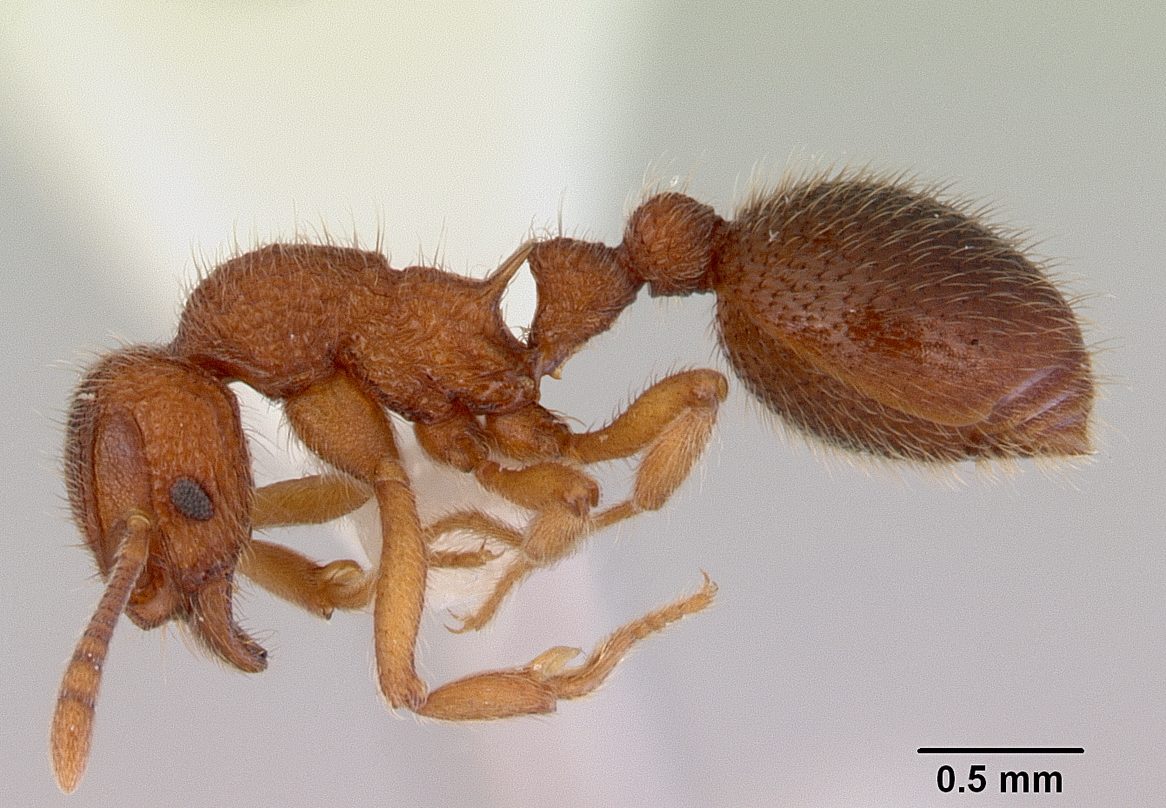
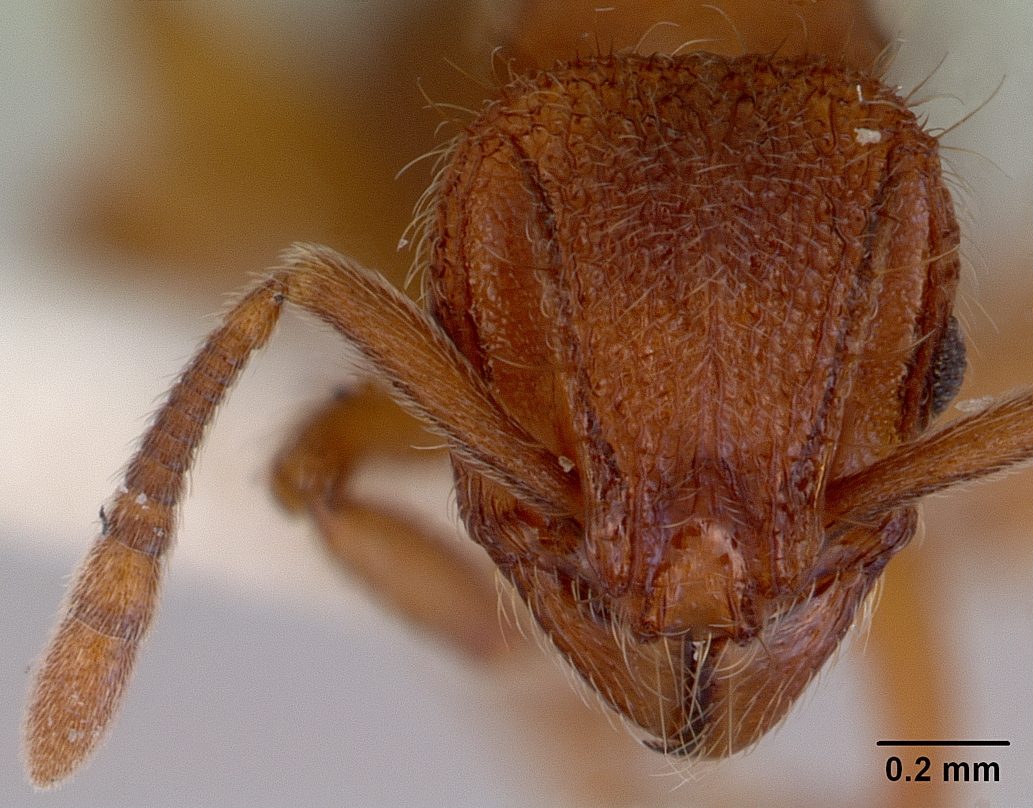
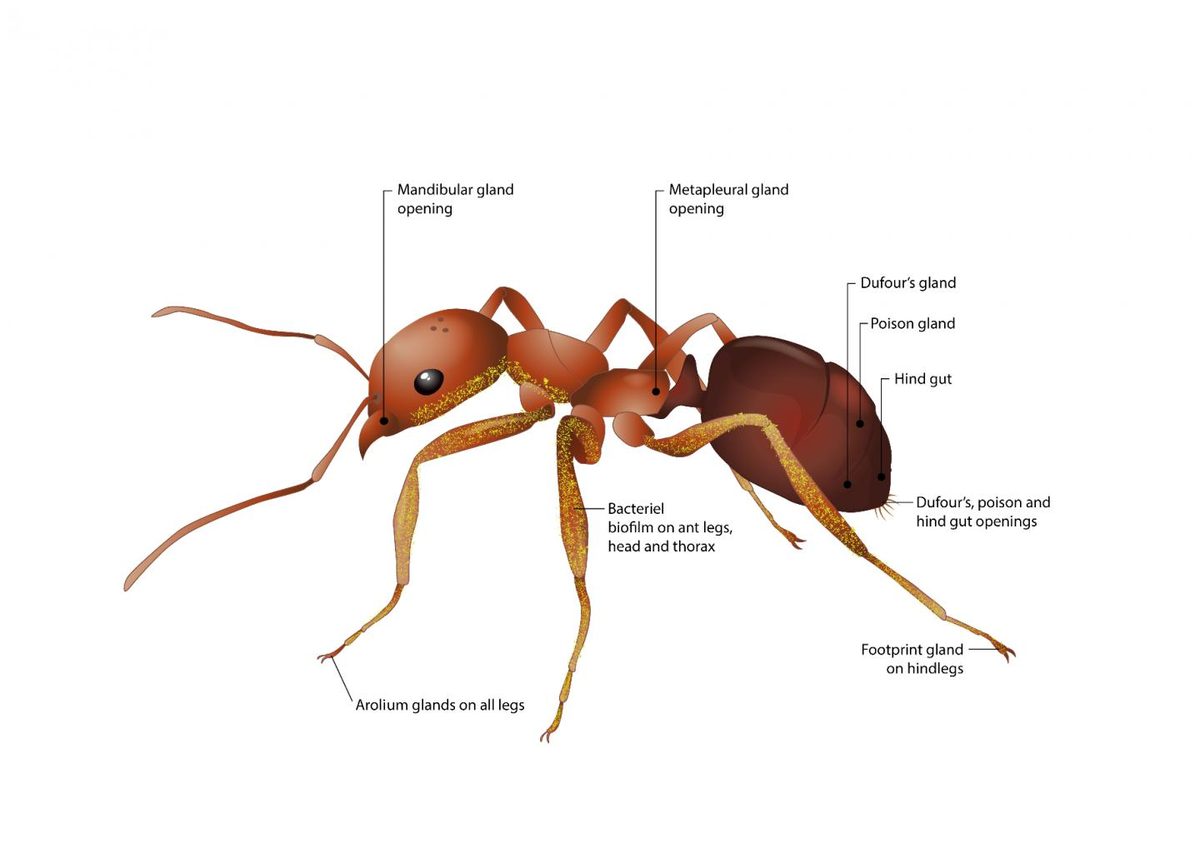
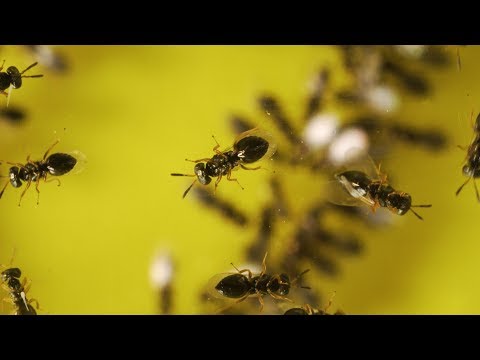
Workers of the ant Lordomyrma azumai carry a glue gun in their venom gland. A secretion that is likely protein-based hardens into a sticky thread when extruded, and workers wipe it onto intruders to pin them to the soil.

In staged nest invasions, eight of the nine tethered ants died, usually dismembered by the colony within a day. The preprint on bioRxiv describes the first known case of a hymenopteran venom secretion working as a solid thread. Lead author Hajime Sasaki says it is unclear whether the hardened thread is still toxic.

Why it matters

The finding expands the known range of venom use in insects and could inspire new adhesive biomaterials.

Questions about this story

Free account needed to ask — your question is kept and asked for you right after sign-up. Answers are public.

No questions yet — be the first to ask.

Key Indicators

1st
Known venom-based solid thread in hymenopterans
Lordomyrma azumai is the first hymenopteran known to produce a solid adhesive thread from its venom gland.
8 of 9
Tethered intruders that died
In staged nest invasions, eight of the nine enemy ants hit by the thread were killed.
3
Ant species known to use venom externally
Pseudoneoponera (foam), Crematogaster (contact toxin), and Lordomyrma (thread).

Voices

Curated perspectives — historical figures and your fellow readers.

Sign up to generate historical perspectives on this story.

People Involved

Organizations Involved

Timeline

2 events Latest: October 20th, 2026 · 3 weeks ago
  1. Science Magazine reports on the discovery

    Latest Media

    Science Magazine covers the preprint describing the first venom-based solid thread in hymenopterans.

  2. Preprint describes glue gun ant

    Publication

    Preprint posted to bioRxiv shows Lordomyrma azumai produces adhesive threads from its venom gland.

Scenarios

1

Peer review confirms glue gun ant finding

Likely Resolves by Q2 2027

Discussed by: The bioRxiv preprint itself; peer reviewers will assess the evidence

The preprint undergoes peer review and is published in a scientific journal, confirming that Lordomyrma azumai produces a solid adhesive thread from its venom gland. This would cement the finding as the first known venom-based solid thread in hymenopterans.

2

Similar venom-thread mechanisms found in other ant species

Possible Resolves by End of 2027

Discussed by: The bioRxiv paper notes the closest known cases (Pseudoneoponera foam, Crematogaster contact toxin), suggesting convergent evolution

Researchers examine other ant species and find similar adhesive thread mechanisms, suggesting this is a broader evolutionary pattern rather than a one-off adaptation.

3

Glue gun ant inspires biomaterial research

Possible Resolves by Q2 2028

Discussed by: Harvard Magazine notes velvet worm glue has biomaterial potential; similar interest could follow this discovery

Materials scientists study the adhesive thread's properties for potential applications in biomimetic adhesives or fibers, following the pattern set by velvet worm glue research.

4

Researchers establish whether the hardened thread is venomous

Uncertain Resolves by Oct 31, 2027

Discussed by: Hajime Sasaki, lead author, in an interview with IFLScience

The thread comes from the venom gland, but whether the solidified secretion still kills or harms tissue is untested. Sasaki points to Crematogaster ants, which smear contact venom on enemies, as a case where external venom use retains potency. Either answer would sharpen the picture of how the gland was repurposed.

Historical Context

3 moments from history that rhyme with this story — and how they unfolded.

Ongoing research

Velvet worms and their glue cannons

Velvet worms, ancient relatives of arthropods, shoot twin jets of glue-like slime from nozzles to entrap prey. The adhesive is produced in an internal gland nearly as long as the animal.

Then

The glue has been studied for biomaterial potential, with Harvard's Museum of Comparative Zoology mounting an exhibit on the creatures.

Now

Velvet worm glue is considered a promising model for new adhesives and materials.

Why this matters now

Shows another invertebrate using adhesive secretion for prey capture, and the biomaterial interest that followed.

Known behavior

Spitting spiders spew glue from venom glands

Spitting spiders spew silky glue from their venom glands to pin down larger spiders before delivering a killing bite.

Then

Demonstrates venom gland repurposing for adhesive use in arachnids.

Now

Establishes a precedent for venom glands evolving into adhesive delivery systems.

Why this matters now

Shows a precedent for venom glands evolving into adhesive delivery systems, though in spiders rather than hymenopterans.

Known behavior

Pseudoneoponera ants use foam threads

Pseudoneoponera (formerly Pachycondyla) ants froth a proteinaceous poison gland secretion into foam threads that entangle attacking ants.

Then

The closest known case to Lordomyrma, but the secretion forms a foam rather than a solid filament.

Now

Shows ants can repurpose poison gland secretions for physical defense.

Why this matters now

Directly comparable - the same gland type used for a similar defensive purpose, but with a different material outcome.

Sources

(8)