
Pull to refresh
Logo
Claude designs protein binders against scorpion neurotoxins

Claude designs protein binders against scorpion neurotoxins

New Capabilities

Anthropic's model ran a 64-hour autonomous campaign; 17 of 211 designs bound scorpion toxins, though outside researchers say binding is the easy part

Overview

Updated Oct 29

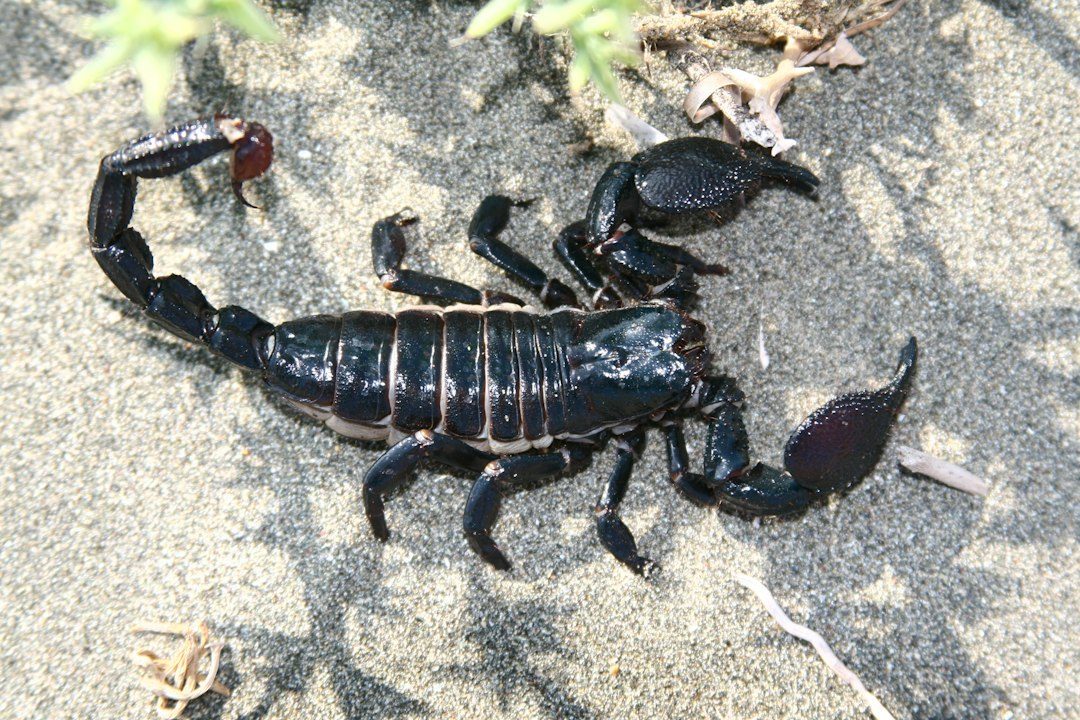
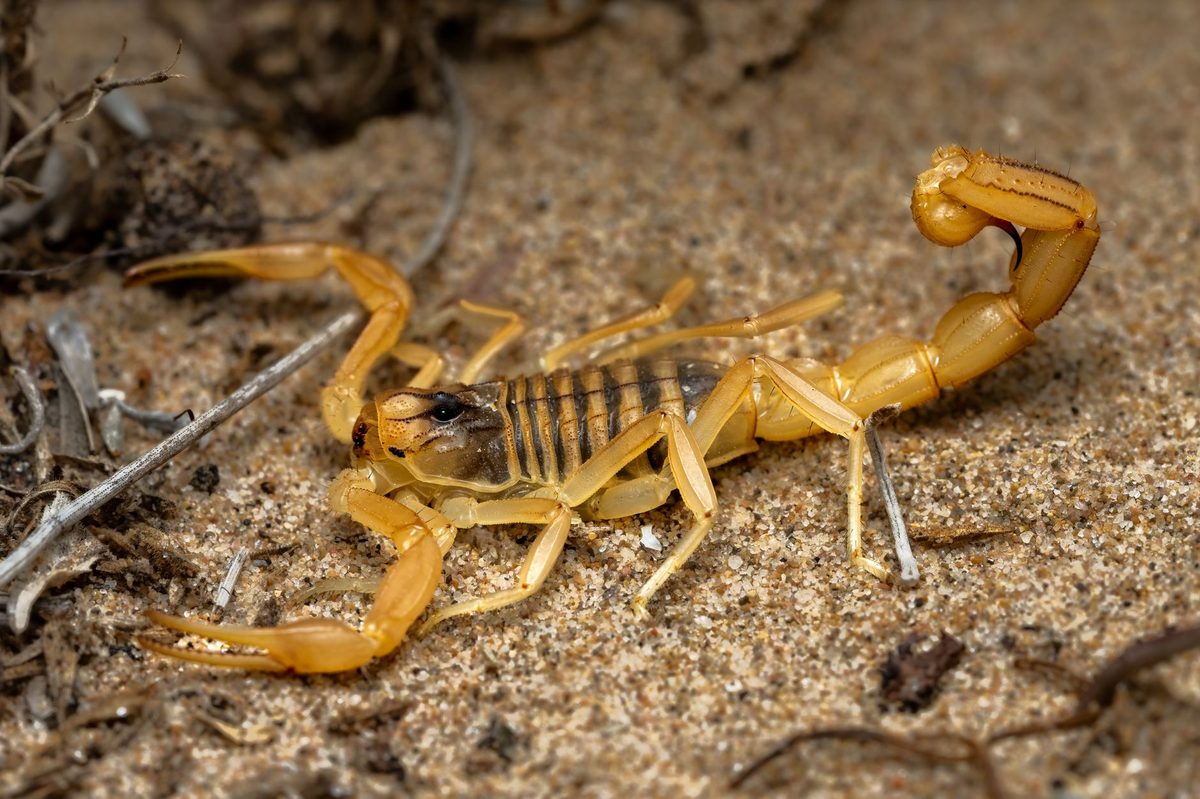
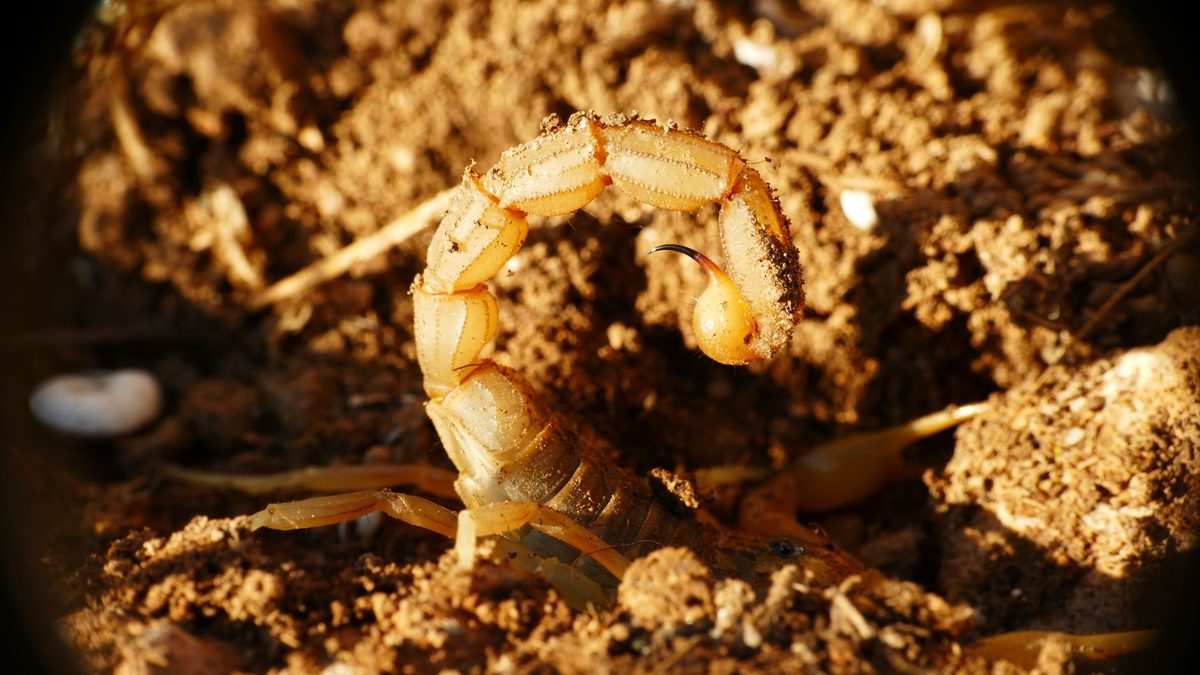
Anthropic's Claude designed small proteins that attach to scorpion neurotoxins, the molecules behind dangerous stings from Mexico to North Africa. Two contract labs tested 211 designs, and 17 bound to four of the five target toxins.

Claude ran the design work for 64 hours, generating 318,484 candidates and picking 180 for testing; Anthropic staff added 31 more. Outside researchers are skeptical: three at the Technical University of Denmark told The Verge the results were 'technically promising' but 'far from a medicine and hyped.' No design has been shown to stop a toxin from working.

Why it matters

If Claude's binders survive neutralization tests, antivenom discovery for neglected tropical diseases could move from years to weeks.

Questions about this story

Free account needed to ask — your question is kept and asked for you right after sign-up. Answers are public.

No questions yet — be the first to ask.

Key Indicators

17
Validated toxin binders
Designs meeting binding criteria at both labs with KD of 1 µM or tighter against a target toxin.
318,484
Protein designs generated by Claude
Claude generated this many designs and selected 180 for testing; 31 more were added later.
8%
Overall hit rate
17 of 211 tested designs met binding criteria.
64 hours
Autonomous campaign duration
Claude ran the design campaign mostly on its own, with four human follow-up prompts, using about 10,000 GPU hours.
$150K
Lab testing cost
Rough cost of having Adaptyv Bio and Twist Bioscience test the designs, according to The Verge.

Voices

Curated perspectives — historical figures and your fellow readers.

Sign up to generate historical perspectives on this story.

People Involved

Organizations Involved

Timeline

August 2026 October 2026

4 events Latest: October 20th, 2026 · 3 weeks ago
Tap a bar to jump to that date
  1. Anthropic publishes scorpion binder results

    Latest Publication

    Anthropic reports 17 of 211 tested designs bound four of five scorpion toxins and releases all designs and data.

  2. Outside researchers call the binders 'far from a medicine and hyped'

    Reaction

    Researchers at the Technical University of Denmark told The Verge that finding a binder is the easy step, and that no test had shown the designs stop a toxin from working.

  3. Anthropic gives Claude the scorpion toxin design prompt

    Campaign launch

    Anthropic hands Claude a prompt adapted from an earlier protein-binder study and modified with Citrini Research; the model begins an autonomous design campaign that runs 64 hours.

  4. Claude completes its design campaign

    Capability demonstration

    Claude generates 318,484 designs and selects 180 for testing; four follow-up prompts expand the pool to 211.

Scenarios

1

Claude's Cn2-B1 binder neutralizes scorpion venom in lab and animal tests

Possible Resolves by Oct 20, 2027

Discussed by: Anthropic (outlined the testing path); outside experts Vázquez Torres and Jenkins

Anthropic would test Cn2-B1 against venom-purified toxin, use patch-clamp recordings to see whether it blocks sodium-channel activity, then run mouse protection studies. Competition experiments suggest the binder attaches near the site of a known neutralizing antibody, which supports the possibility it works. Success would make it a candidate for antivenom development.

2

A single binder validated against multiple scorpion toxins

Unlikely Resolves by Oct 20, 2028

Discussed by: Anthropic (attempted this in the campaign); Citrini Research

A binder that latches onto two or more toxins would cut the number of molecules needed for a universal antivenom cocktail. All 30 multi-toxin designs in this campaign failed to meet criteria. Anthropic notes the failure could stem from prompt design, tool limits, or the biological feasibility of multi-toxin binding. Success would require new design approaches.

3

Autonomous AI design campaigns expand to other disease targets

Possible Resolves by Oct 20, 2027

Discussed by: Anthropic (says it could speed discovery for envenomation and neglected diseases)

If the method generalizes, other labs adopt agentic AI to design binders against other hard-to-target proteins. Anthropic's earlier campaign already produced binders against 14 of 16 targets, and this campaign shows the workflow. Watch for new research publications on different therapeutic targets.

4

Selectivity problems knock out some of the 17 binders

Possible Resolves by Q2 2027

Discussed by: HntrBrk, reporting broader lab testing; Anthropic's own criteria included a no-binding check against an unrelated protein

Anthropic required each design to show no signal against CLEC12A, an unrelated human protein used to detect stickiness. HntrBrk reported that broader testing still flagged some designs as potentially sticky, so their selectivity is unconfirmed. Binders that stick to the wrong targets would be dropped before any animal work.

Historical Context

3 moments from history that rhyme with this story — and how they unfolded.

December 2020

AlphaFold (2020)

DeepMind's AlphaFold predicted protein structures to near-experimental accuracy in the CASP14 competition, solving a problem biologists had worked on for 50 years.

Then

Structural biology labs gained instant access to high-quality predictions for proteins they hadn't crystallized.

Now

The breakthrough shifted the field's bottleneck from prediction to experimental validation — the same bottleneck this scorpion campaign faces.

Why this matters now

AlphaFold proved AI could crack hard biology problems. Claude's campaign extends that from prediction to design, automating the whole workflow.

2023

RFdiffusion (2023)

David Baker's lab at the University of Washington published RFdiffusion, a generative model that designs de novo protein binders from scratch. Hit rates were often in low single digits per target.

Then

Researchers could design binders against targets without existing antibodies, but most designs failed in the lab.

Now

De novo binder design became routine, with hit rates anywhere from single digits to around 10%.

Why this matters now

Claude's 18% hit rate on single-toxin designs compares favorably to this baseline, though the scorpion binders still need functional validation.

2022–2023

Insilico Medicine's INS018_055 (2022)

Insilico Medicine's AI-designed drug for a fibrotic lung disease, INS018_055, moved from preclinical work into Phase I clinical trials, the first AI-designed drug candidate to reach that stage.

Then

The trial showed AI-designed molecules could pass early safety and tolerability checks in humans.

Now

It set a precedent that AI-designed drugs are testable candidates, not just predictions.

Why this matters now

The scorpion binders are steps behind this — they're validated for binding but not for function. The path from design to therapy remains long.

Sources

(11)