



Pull to refresh
Logo
Thailand's cabinet approves noise, heat and water rules for data centres

Thailand's cabinet approves noise, heat and water rules for data centres

Rule Changes

New tiers, zoning and a one-stop approval centre aim to separate genuine data centre investors from brokers holding electricity capacity

Overview

Updated 1 hour ago

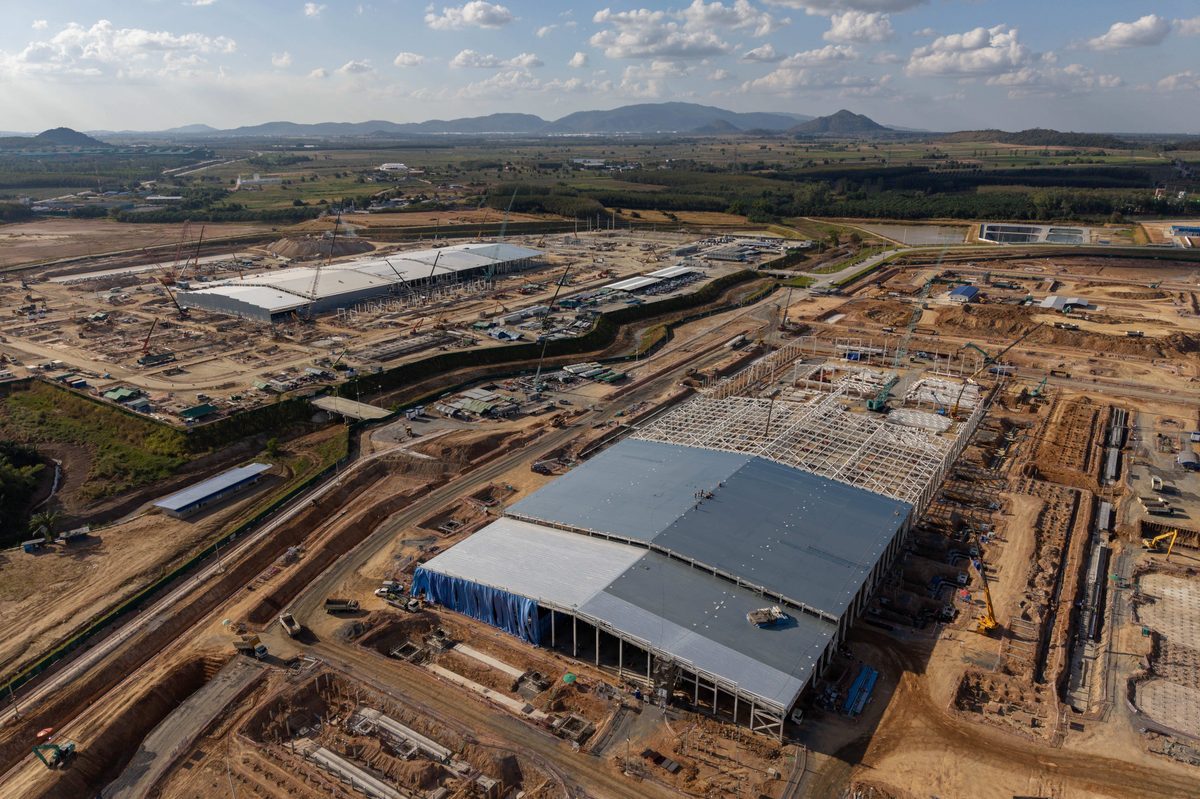
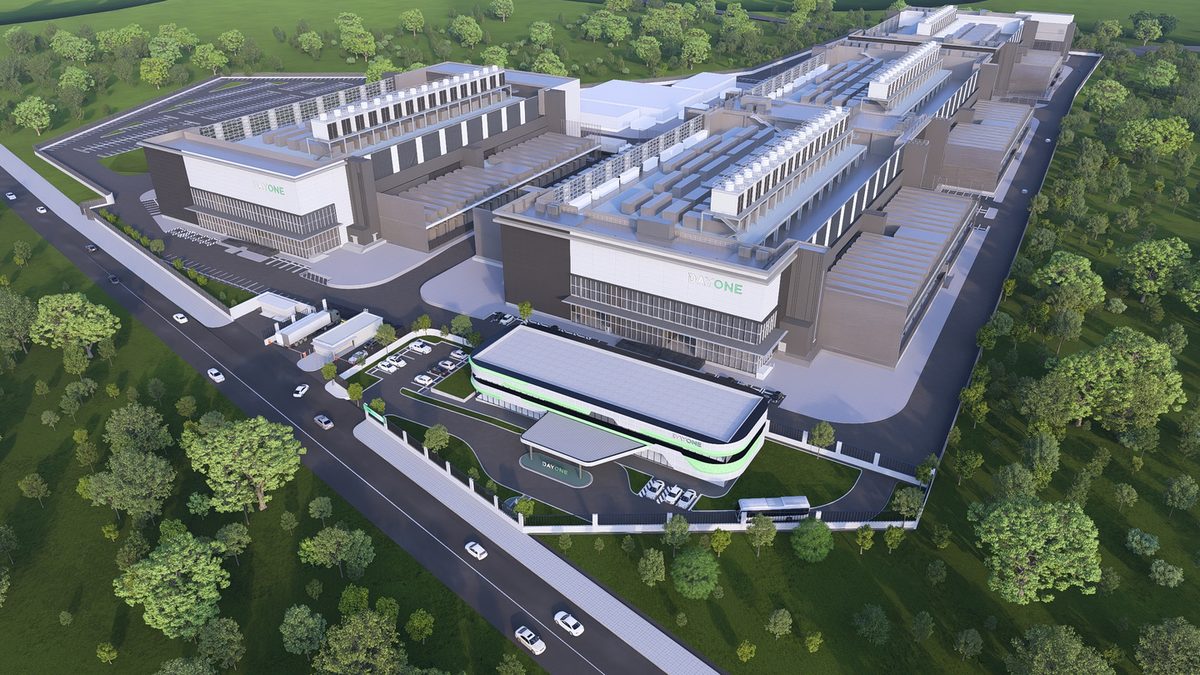
Thailand's cabinet approved a framework on 10 November that ties data centre approvals to noise, heat and water limits, and requires facilities drawing 20 megawatts or more to sit in industrial estates. Projects already holding a construction permit or Board of Investment promotion granted before 14 August 2026 get about a year to meet the new standards.

The rules answer a queue problem: officials found overlapping electricity requests from more than 110 applicants totalling over 30,000 megawatts, and estimated only about a quarter came from genuine investors. Nothing is law yet. The Ministry of Digital Economy and Society must draft a registration law and run screening in the meantime.

Why it matters

Thailand's grid has been reserved by data centre requests totalling over 30,000 megawatts; these rules decide which of those projects actually get built.

Questions about this story

Free account needed to ask — your question is kept and asked for you right after sign-up. Answers are public.

No questions yet — be the first to ask.

Key Indicators

7
Data centre tiers by power load
Facilities run from below 0.5 megawatts to above 200 megawatts, with the strictest rules at the top.
20 MW
Threshold for industrial zoning
Facilities at or above 20 megawatts must locate in industrial estates; smaller ones may use commercial zones.
70 dBA
Noise cap at the site boundary
Applies to backup generators; officials described it as slightly quieter than a vacuum cleaner.
1–2°C
Cap on local temperature rise
Limit on heat added to surrounding areas, alongside mandatory cooling-water recirculation and testing before discharge.
30,000+ MW
Electricity capacity requested by applicants
Over 110 applicants filed overlapping requests; officials estimated roughly a quarter were genuine investors.
57
Data centre projects with Board of Investment promotion
As of April 2026: 17 operating, 20 holding construction permits, 20 still preparing.

Voices

Curated perspectives — historical figures and your fellow readers.

Sign up to generate historical perspectives on this story.

People Involved

Organizations Involved

Timeline

April 2026 November 2026

5 events Latest: Today
Tap a bar to jump to that date
  1. Agencies begin drafting registration law

    Today Policy

    Officials expect about a year to amend the relevant laws and stand up the TH-DC Dashboard.

  2. Cabinet approves data centre framework

    Policy

    Seven load tiers, industrial zoning above 20 megawatts, noise, heat and water limits, and a one-stop approval centre.

  3. Government pauses nearly 50 under-construction projects

    Policy

    Developers were asked to halt work until new rules were drafted.

  4. Cutoff set for transition eligibility

    Policy

    Projects holding construction permits or promotion before this date keep prior rights with a compliance window.

  5. Board of Investment counts 57 promoted data centre projects

    Statement

    Seventeen were operating; forty were in construction or preparation.

Scenarios

1

Registration law passes and the TH-DC Dashboard goes live

Possible Resolves by End of 2027

Discussed by: Ministry of Digital Economy and Society, as described by Dej-Udom & Associates

The ministry drafts a law requiring data centre operators to register on a real-time monitoring platform, and the cabinet's policy becomes enforceable statute. Officials have said the relevant laws need roughly a year to amend, so the timeline runs into late 2027. Until then, screening happens administratively rather than through a statutory register.

2

Screening committee cuts the power queue down to genuine projects

Likely Resolves by Q2 2027

Discussed by: Danucha Pichayanan and the National Economic and Social Development Council

The screening committee and financial security requirements filter out brokers and engineering contractors who reserved electricity and water capacity without construction plans. Officials estimate only about a quarter of the 110-plus applicants are real. A published list of cleared projects, with firm capacity allocations, would be the visible result.

3

Compliant new projects win approval before the law is written

Possible Resolves by Q3 2027

Discussed by: Dej-Udom & Associates, reading the cabinet framework's transition groups

The framework allows a new operator that adjusts its investment to meet the minimum requirements to be approved without waiting for the laws to be amended. If the ministry uses that route, construction on post-August-2026 projects resumes while the statute is still in draft. That would show the policy operating through administrative screening rather than legislation.

Historical Context

2 moments from history that rhyme with this story — and how they unfolded.

2020s

Singapore's conditional data centre approvals

Singapore built its data centre approval process around commitments rather than first-come capacity booking. Investors compete by pledging to employ local workers and plug domestic businesses into technology and AI supply chains.

Then

Approval became a negotiation over economic spillover, not a queue position.

Now

Thailand's cabinet explicitly cites the Singapore approach when describing how it will assess applications.

Why this matters now

Thailand's framework borrows this structure: investment value alone no longer wins a place in the power queue.

September 2026

Thailand's September 2026 construction pause

After public concern about an AI-driven construction boom, the government said it would tighten oversight and asked developers of nearly 50 under-construction projects to pause work until new rules were drawn up.

Then

Approvals, permits and promotion certificates slowed while the framework was written.

Now

The November cabinet decision sets the standards those paused projects must now meet within about a year.

Why this matters now

The pause explains why the cabinet decision matters to sites already under construction, not just to future applicants.

Sources

(8)