



Pull to refresh
Logo
Antibody-drug conjugate combination outperforms chemo-immunotherapy in PD-L1-negative lung cancer

Antibody-drug conjugate combination outperforms chemo-immunotherapy in PD-L1-negative lung cancer

New Capabilities

Phase III OptiTROP-Lung06 cut progression risk by 51% and stretched median progression-free survival to 15 months, with mouth inflammation the main added side effect

Overview

Updated Oct 27

Pairing an antibody-drug conjugate with pembrolizumab kept advanced lung cancer from worsening for a median of 15 months, nearly three times as long as the standard pembrolizumab-plus-chemotherapy regimen. The Phase III OptiTROP-Lung06 results were presented on October 25 at the ESMO congress in Madrid and published the same day in the New England Journal of Medicine.

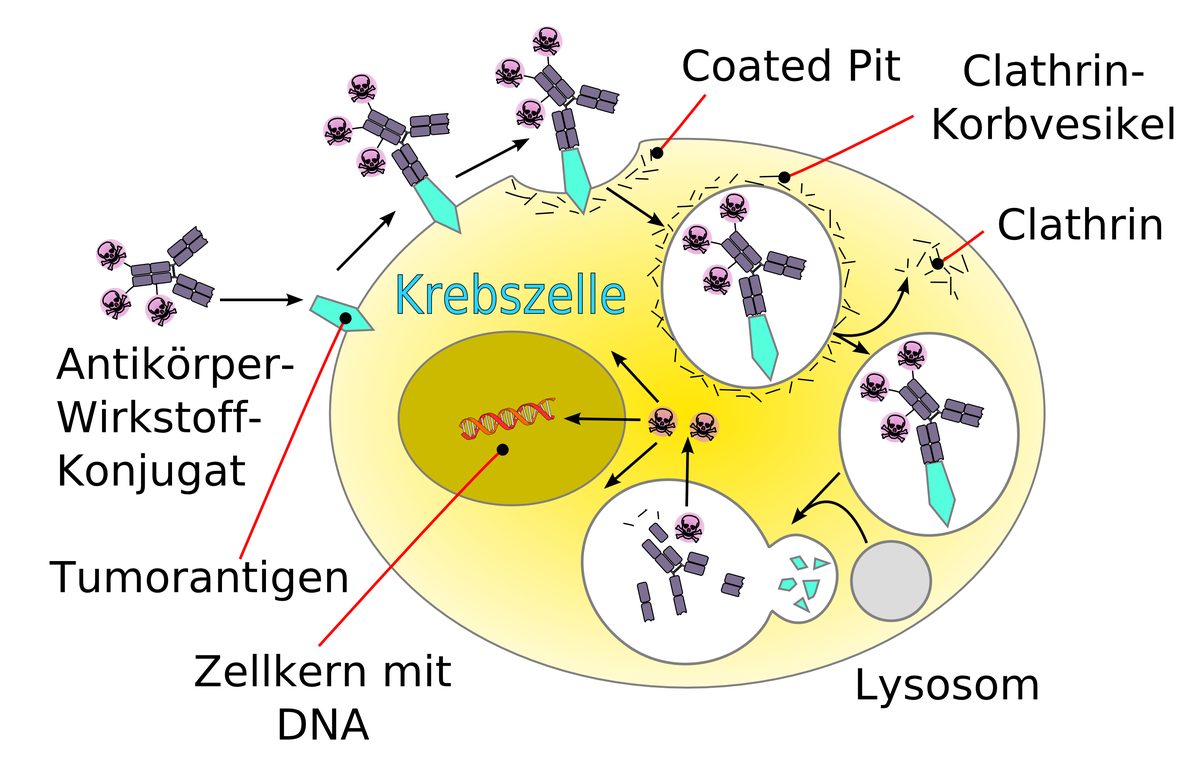
The conjugate, sacituzumab tirumotecan (sac-TMT), delivers chemotherapy to tumors carrying the TROP2 protein and replaces the platinum chemotherapy in the current standard. Among 455 patients with PD-L1-negative tumors, the combination cut the risk of progression or death by 51%. Severe side effects were less common than with chemo. Mouth inflammation, though, hit 51% of patients versus 8%, and overall survival data remain too immature to call a benefit.

Why it matters

Roughly a third of lung cancer patients get little from immunotherapy alone; this regimen could give them a non-chemo option.

Questions about this story

Free account needed to ask — your question is kept and asked for you right after sign-up. Answers are public.

No questions yet — be the first to ask.

Key Indicators

0.49
Progression-free survival hazard ratio
Risk of disease progression or death reduced by 51% versus chemo-immunotherapy (95% CI 0.36–0.65; P<0.0001)
15.0 vs 5.7 months
Median progression-free survival
sac-TMT plus pembrolizumab versus pembrolizumab plus platinum-based chemotherapy, per blinded independent review
455
Patients enrolled
Randomized 1:1 in the Phase III OptiTROP-Lung06 study, 229 to the conjugate arm and 226 to chemo-immunotherapy, across 9.7 months median follow-up
77.6% vs 66.4%
Estimated 1-year overall survival rate
Overall survival data immature (about 20% of events); hazard ratio 0.58 shows a favorable trend
13.6 vs 6.8 months
Median duration of response
Responses lasted twice as long in the sac-TMT arm (hazard ratio 0.47; 95% CI 0.29–0.77)
47.6% vs 60.6%
Grade 3 or higher treatment-emergent adverse events
Lower with sac-TMT plus pembrolizumab, but mouth inflammation (stomatitis) occurred in 51.1% versus 8.4%, including 2.2% at grade 3

Voices

Curated perspectives — historical figures and your fellow readers.

Sign up to generate historical perspectives on this story.

People Involved

Organizations Involved

Timeline

May 2026 October 2026

4 events Latest: October 25th, 2026 · 2 weeks ago
Tap a bar to jump to that date
  1. OptiTROP-Lung06 results presented at ESMO and published in NEJM

    Latest Presentation

    Phase III data show sac-TMT plus pembrolizumab cut progression risk by 51% versus chemo-immunotherapy in PD-L1-negative non-squamous NSCLC, with fewer grade 3 or higher adverse events (47.6% vs 60.6%) but far more mouth inflammation (51.1% vs 8.4%).

  2. Merck signals sac-TMT will replace chemo in first-line lung cancer

    Strategy

    R&D chief Dean Li tells investors the company will rethink KEYNOTE-189 using sac-TMT as a 'next-gen chemo'.

  3. OptiTROP-Lung06 interim analysis data locked

    Trial milestone

    Data cutoff for the interim analysis with median follow-up of 9.7 months across 455 patients.

  4. Kelun-Biotech reports positive sac-TMT combination results

    Announcement

    Hong Kong Stock Exchange filing shows significantly improved progression-free survival for sac-TMT plus pembrolizumab in a comparator trial.

Scenarios

1

FDA approves sac-TMT plus pembrolizumab for first-line PD-L1-negative NSCLC

Likely Resolves by End of 2028

Discussed by: Fierce Pharma notes Merck appears positioned to seek approval in this setting after the PFS win; Kelun-Biotech characterized the result as a first-in-class Phase III success for an ADC plus checkpoint inhibitor.

Kelun-Biotech and Merck file for regulatory approval based on the demonstrated progression-free survival benefit. Approval would expand sac-TMT beyond its current use into first-line therapy for the roughly one-third of non-squamous NSCLC patients with PD-L1-negative tumors. The immature overall survival data could slow the review.

2

Merck launches pivotal trial replacing chemo with sac-TMT across the PD-L1 spectrum

Likely Resolves by End of 2027

Discussed by: Dean Li on Merck's Q2 2026 earnings call; Fierce Pharma reporting that Merck appears willing to close the gap in PD-L1-low and -negative settings.

Merck redesigns the KEYNOTE-189 regimen, testing sac-TMT plus pembrolizumab without platinum chemotherapy in a broader first-line non-squamous NSCLC population that includes PD-L1-positive patients. A new randomized Phase III trial would confirm whether the ADC can serve as the chemotherapy replacement across the full PD-L1 spectrum.

3

Mature OS data confirm or weaken the sac-TMT survival benefit

Uncertain Resolves by Q2 2028

Discussed by: Study authors noted overall survival was immature at the interim analysis, with 20% of events and a hazard ratio of 0.58.

With only 20% of patients deceased at the data cutoff, the overall survival advantage could strengthen with longer follow-up or fade toward the null. A mature analysis at a future congress or journal publication will determine whether the progression-free survival win translates into a statistically significant survival benefit.

Historical Context

2 moments from history that rhyme with this story — and how they unfolded.

October 2016

KEYNOTE-024 (2016)

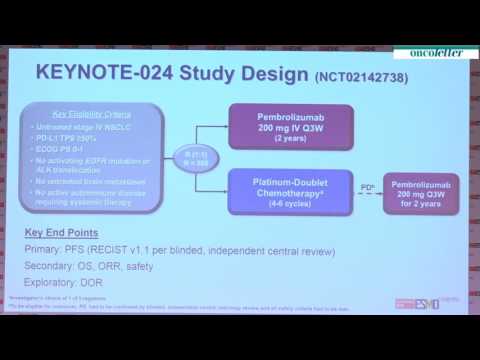
The phase III KEYNOTE-024 trial showed pembrolizumab monotherapy beat platinum-based chemotherapy in first-line NSCLC patients with PD-L1 expression on at least half their tumor cells. It was published in NEJM that November.

Then

Pembrolizumab became the first checkpoint inhibitor approved as first-line monotherapy for a subset of lung cancer patients.

Now

It established PD-L1 expression as the biomarker guiding first-line immunotherapy selection, a framework the field still uses.

Why this matters now

KEYNOTE-024 proved checkpoint inhibitors could replace chemotherapy in first-line NSCLC. OptiTROP-Lung06 extends that logic: it tests whether an ADC can replace chemo as the partner for pembrolizumab in patients who don't respond to immunotherapy alone.

April 2018

KEYNOTE-189 (2018)

KEYNOTE-189 randomized 616 patients with non-squamous NSCLC to pembrolizumab plus pemetrexed and platinum chemo or placebo plus the same chemo. The pembrolizumab arm showed superior overall survival regardless of PD-L1 expression.

Then

Pembrolizumab plus pemetrexed/platinum chemo became the global standard of care for first-line non-squamous NSCLC, including PD-L1-negative patients.

Now

The KEYNOTE-189 regimen is the control arm OptiTROP-Lung06 tested against, making this the direct successor challenge to that paradigm.

Why this matters now

OptiTROP-Lung06's control arm is essentially KEYNOTE-189's regimen. The new study asks whether swapping chemotherapy for an ADC improves on the standard KEYNOTE-189 established eight years earlier.

Sources

(10)