
Pull to refresh
Logo
Daily Brief
Following
Why Ranks Sign Up
Thaksin Shinawatra's return from exile and prison sentences

Thaksin Shinawatra's return from exile and prison sentences

Force in Play

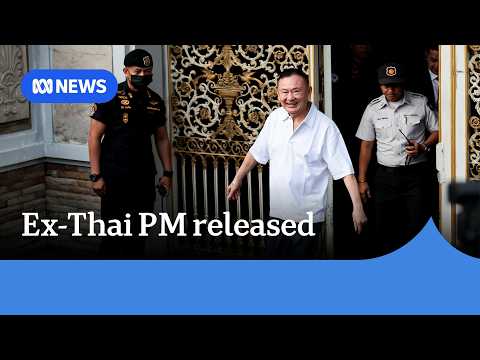
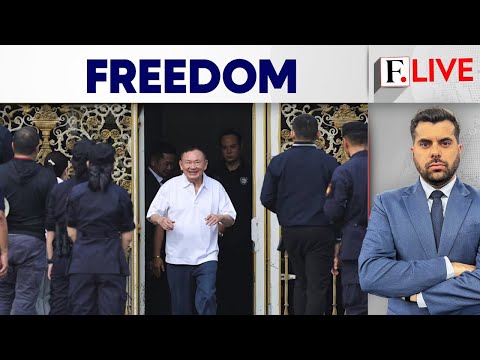
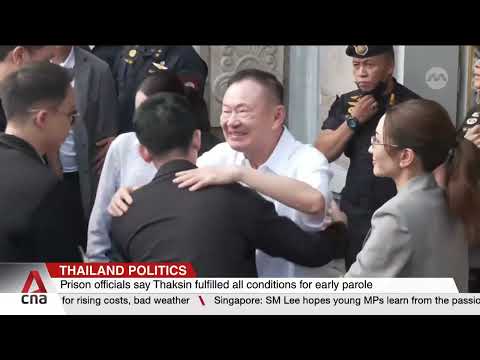
Thailand's exiled billionaire ex-prime minister comes home, goes to jail, and walks out on parole

5 days ago: Thaksin released on parole

Overview

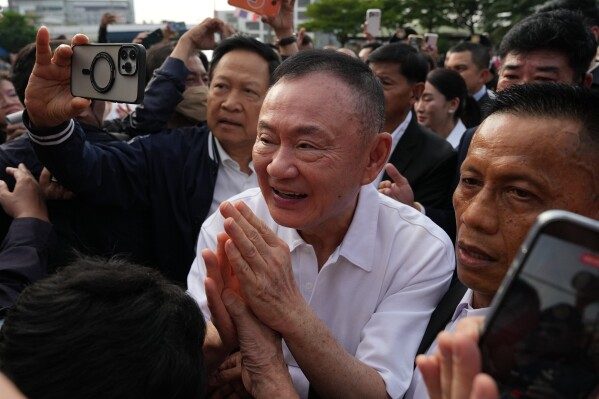
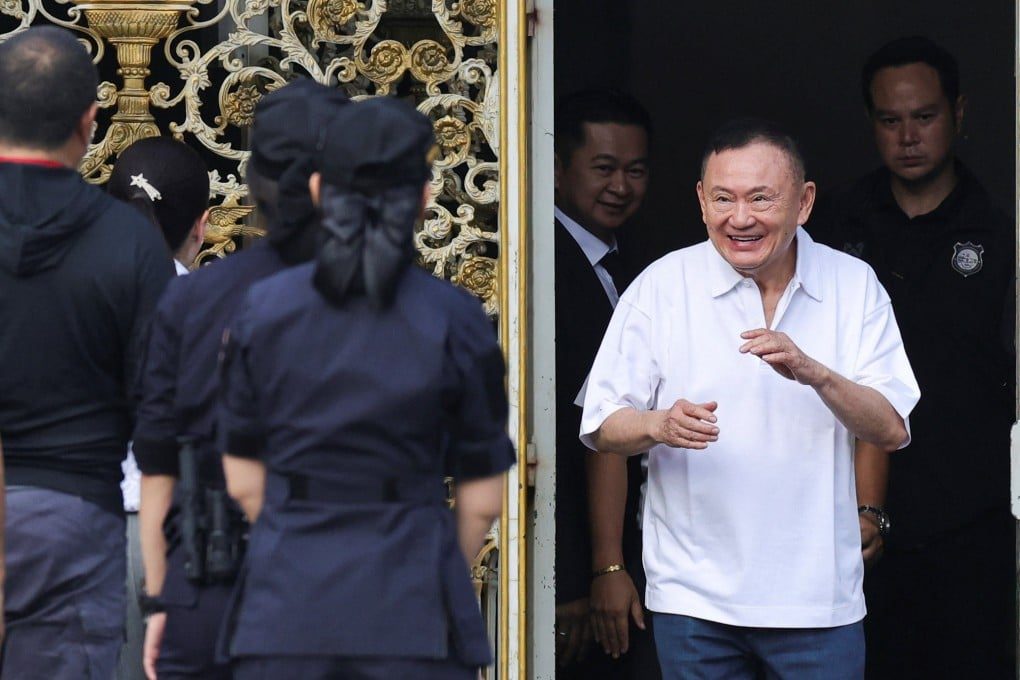
Thaksin Shinawatra walked out of detention in Bangkok wearing an electronic ankle monitor. The 76-year-old former prime minister had served about eight months of a one-year sentence tied to abuse-of-power convictions from his time in office two decades ago.

His release puts Thailand's most consequential political family back at full strength. Pheu Thai, the party Thaksin built, remains a central force in Thai politics, anchored by his daughter Paetongtarn. The army, the courts, and the palace continue to set the limits on what it can do.

Why it matters

Thaksin's release tests the Pheu Thai-conservative alliance that ended his exile and reshaped how Thailand's old establishment shares power.

Play on this story Voices Debate Predict

Key Indicators

15 years
Time Thaksin spent in self-imposed exile
From 2008 until his return in August 2023.
8 months
Time served on current sentence
Out of a one-year sentence reduced from the original eight years.
3
Shinawatras who have held the prime minister's office
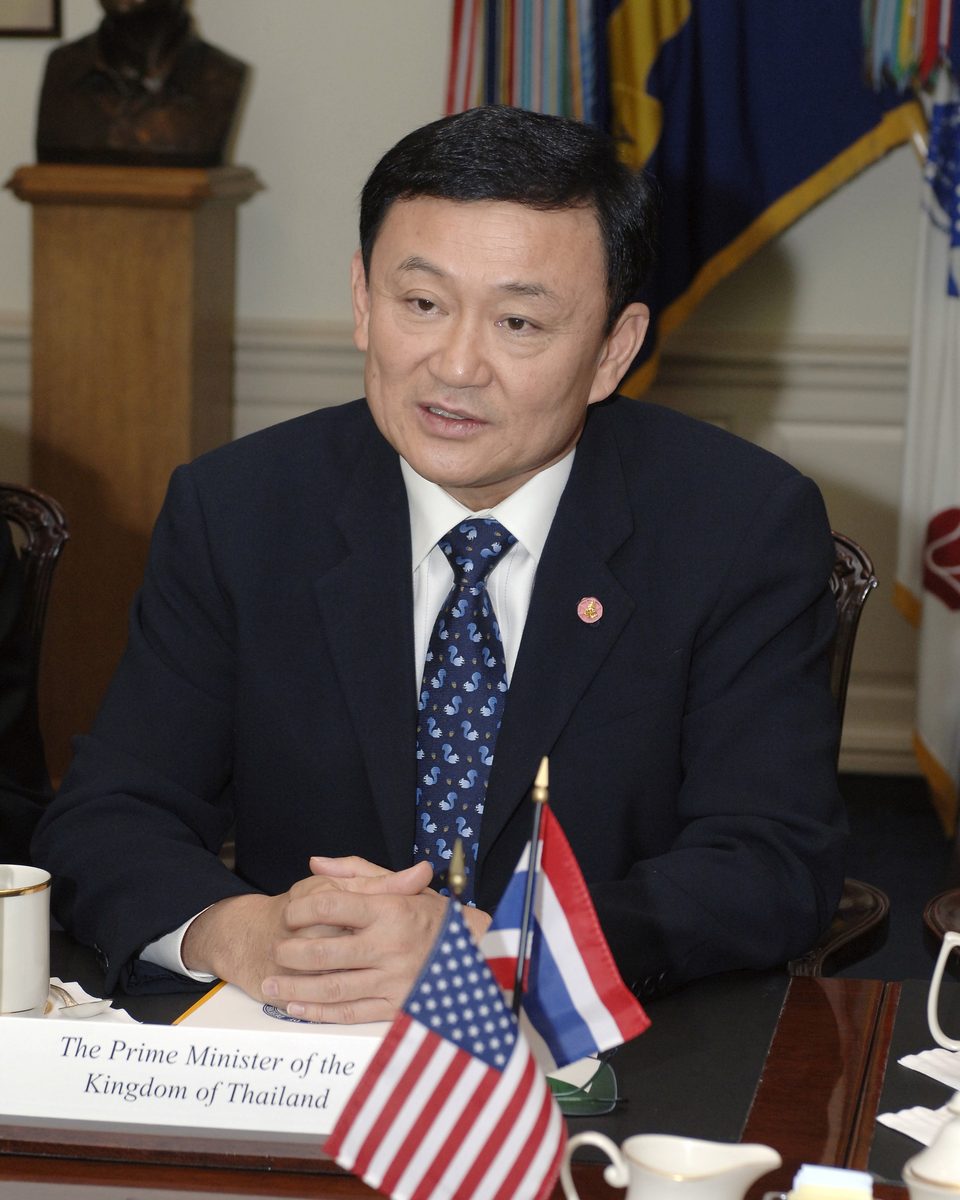
Thaksin (2001-2006), his sister Yingluck (2011-2014), and his daughter Paetongtarn (from August 2024).
76
Thaksin's age at release
His age was one factor cited by the parole panel.

Interactive

Exploring all sides of a story is often best achieved with Play.

Ever wondered what historical figures would say about today's headlines?

Sign up to generate historical perspectives on this story.

People Involved

Organizations Involved

Timeline

  1. Thaksin released on parole

    Legal

    Justice Ministry panel grants parole after eight months served. Thaksin will wear an electronic ankle monitor.

  2. Paetongtarn Shinawatra becomes prime minister

    Political

    Thaksin's daughter takes office after the Constitutional Court removes Srettha Thavisin.

  3. King reduces sentence to one year

    Legal

    Royal pardon cuts Thaksin's combined eight-year sentence to twelve months.

  4. Thaksin returns to Bangkok

    Legal

    Lands at Don Mueang airport on the same day Pheu Thai forms a coalition government. Arrested on arrival.

  5. Yingluck flees Thailand

    Legal

    Leaves the country days before her verdict in the rice-subsidy case.

  6. Military coup ousts Yingluck's government

    Coup

    The army installs General Prayuth Chan-ocha; a new constitution weakens Pheu Thai.

  7. Yingluck Shinawatra becomes prime minister

    Political

    Thaksin's sister wins office on a campaign widely seen as her brother's proxy.

  8. Thaksin flees Thailand

    Legal

    Skips bail before a Supreme Court conviction in a land-deal corruption case. Begins 15 years abroad.

  9. Military coup ousts Thaksin

    Coup

    The army takes power while Thaksin is in New York for the United Nations General Assembly.

  10. Thaksin sworn in as prime minister

    Political

    Thai Rak Thai wins a landslide. Thaksin's healthcare and rural-credit programs reshape Thai politics.

Scenarios

Predict which scenario wins. Contrarian picks score more — points lock in when the scenario resolves.

Log in to predict. Track your picks, climb the leaderboard. Log in Sign Up
1

Thaksin returns to active campaigning, Pheu Thai consolidates

With the ankle monitor on but no other restrictions on speech, Thaksin resumes the role he played from exile: strategist for Pheu Thai. He travels the country, meets allies, and helps prepare the party for the next general election. His daughter and the family network keep formal office; he sets the line.

Discussed by: Bangkok Post political analysts, Reuters Thailand correspondents
Consensus
2

New charges trigger second imprisonment

Thaksin still faces a pending royal-defamation case under Article 112 of Thailand's penal code, plus other lesser charges. Conviction in any of those would send him back to prison and reset the legal clock. Conservatives in the courts and military could use these cases to constrain him.

Discussed by: Thai legal commentators, Human Rights Watch
Consensus
3

Pheu Thai-conservative coalition breaks down

The 2023 deal that brought Thaksin home rests on Pheu Thai sharing power with parties it spent two decades fighting. If either side concludes the bargain no longer serves them, the coalition fractures. A snap election or another Constitutional Court intervention could follow.

Discussed by: Foreign Affairs, ISEAS-Yusof Ishak Institute
Consensus
4

Military intervenes again

Thailand has seen 13 successful coups since 1932, including two against the Shinawatras. Generals stand back as long as the deal holds and the monarchy is not in play. A renewed Pheu Thai populist push, mass protests, or a royal-defamation flashpoint could change that calculation.

Discussed by: Asia-Pacific security analysts, Pavin Chachavalpongkorn (Kyoto University)
Consensus

Historical Context

Bongbong Marcos elected President of the Philippines (2022)

May 2022

What Happened

Ferdinand 'Bongbong' Marcos Jr., son of the dictator overthrown in the 1986 People Power revolution, won the Philippine presidency in a landslide. His mother Imelda had returned from exile in 1991 and rebuilt the family's political base over three decades. The win restored the Marcos family to Malacanang Palace 36 years after they fled.

Outcome

Short Term

Marcos took office with strong congressional backing and named his sister to the Senate and his cousin as House Speaker. Critics warned of efforts to soften the family's record on martial law.

Long Term

The Marcos return showed that political dynasties in Southeast Asia can survive exile, conviction, and public humiliation, and return to power within one or two generations.

Why It's Relevant Today

The Shinawatras are following a similar path: exile, slow rehabilitation, and a younger generation that takes office while the patriarch operates from the background.

Silvio Berlusconi's tax-fraud conviction and political comeback (2013-2018)

August 2013 - May 2018

What Happened

Italy's Supreme Court upheld a tax-fraud conviction against the billionaire former prime minister, banning him from public office. Berlusconi served the sentence through community service at an Alzheimer's home and continued running his party, Forza Italia, from outside Parliament. A Milan court lifted the ban in May 2018, returning him to elected politics.

Outcome

Short Term

He kept full control of Forza Italia and remained a kingmaker in Italian coalition politics throughout the ban.

Long Term

Berlusconi returned to the European Parliament in 2019 and to the Italian Senate in 2022, showing that a conviction did not end a wealthy populist's political career.

Why It's Relevant Today

Thaksin, like Berlusconi, is a billionaire convicted ex-prime minister. Both treated formal legal restrictions as obstacles to manage, not endpoints. Both continued to shape their parties from outside office.

Park Geun-hye pardoned in South Korea (2021)

December 2021

What Happened

President Moon Jae-in pardoned Park Geun-hye, the former South Korean president impeached and imprisoned for corruption and abuse of power. Park had served nearly five years of a 22-year sentence. Moon, her political opponent, framed the pardon as a step toward national reconciliation.

Outcome

Short Term

Park was released from Samsung Medical Center, where she had been receiving treatment, and retired to her hometown. She made no immediate political return.

Long Term

The pardon set a pattern: post-impeachment Korean presidents end up jailed and eventually freed by political bargains, not legal exoneration.

Why It's Relevant Today

Park's pardon and Thaksin's parole both show how state coercion against a former leader can be softened through political deal-making, even when the original convictions stand.

Sources

(3)