



Pull to refresh
Logo
Synspective builds out its all-weather radar satellite constellation

Synspective builds out its all-weather radar satellite constellation

Built World

A Tokyo startup is launching small radar satellites one at a time to image Earth through clouds and darkness

June 18th, 2026: Rocket Lab delays 'Ten Owl Of Ten' for pre-flight checks

Overview

Updated Jun 18

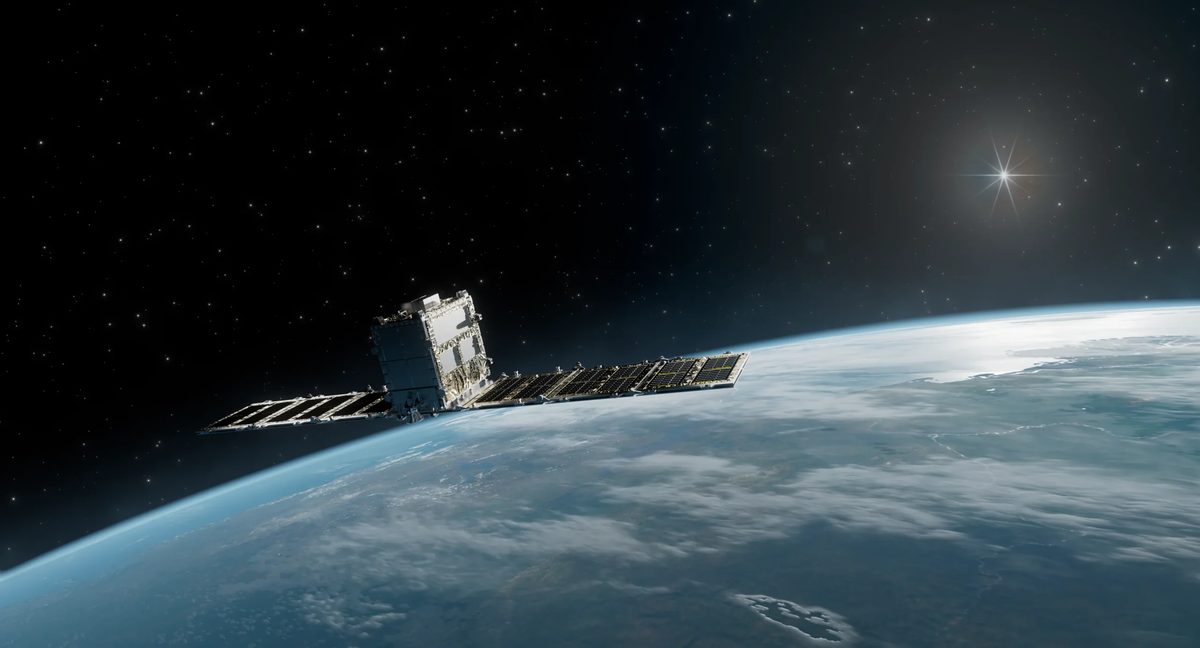
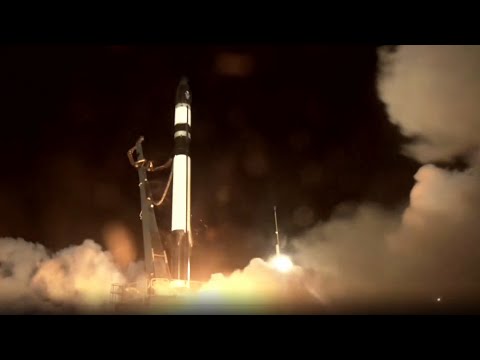
On June 17, 2026, a Rocket Lab Electron rocket lifted off from New Zealand's Mahia Peninsula carrying StriX-8, the latest radar satellite for Japan's Synspective. Each launch adds one more eye that can see the ground through clouds, smoke, and the dark.

Synspective wants 30 of these satellites in orbit by the end of the decade. Get there, and the company can re-image almost any spot on Earth within hours, day or night. That is the difference between photographing a flood after the clouds clear and watching it happen.

Why it matters

All-weather radar satellites can spot a collapsed bridge or a spreading flood at night and through cloud, when ordinary cameras see nothing.

Questions about this story

Free account needed to ask — your question is kept and asked for you right after sign-up. Answers are public.

No questions yet — be the first to ask.

Key Indicators

30
Target constellation size
Satellites Synspective plans to have in orbit by the late 2020s.
21
Electron launches booked
Dedicated Rocket Lab flights Synspective has under contract for the buildout.
Since 2020
Rocket Lab as sole launcher
Every StriX satellite in orbit has flown on an Electron rocket.
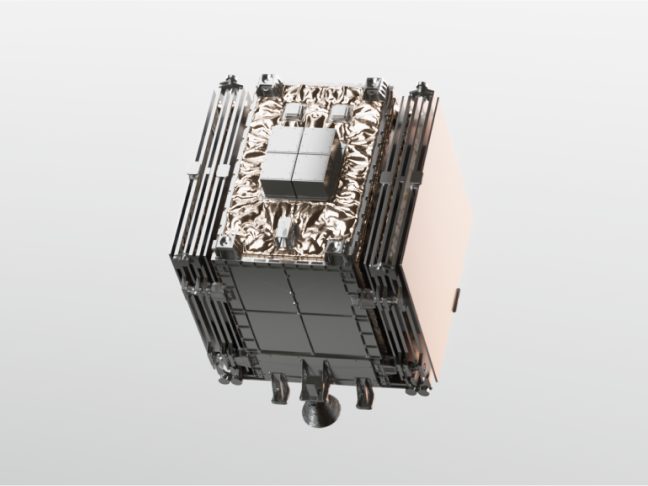
~100 kg
Mass per satellite
Roughly a tenth the weight of a conventional large radar satellite.
25 cm
Best image resolution
The finest detail StriX can resolve, sold to partners like Airbus.

Voices

Curated perspectives — historical figures and your fellow readers.

Ever wondered what historical figures would say about today's headlines?

Sign up to generate historical perspectives on this story.

People Involved

Organizations Involved

Timeline

February 2018 June 2026

6 events Latest: June 18th, 2026 · 3 months ago
Tap a bar to jump to that date
  1. Rocket Lab delays 'Ten Owl Of Ten' for pre-flight checks

    Latest Launch Delay

    Rocket Lab postponed the 10th dedicated Electron launch for Synspective (Electron's milestone 90th flight overall) from its June 18 NZT window at Mahia. The company cited additional pre-flight checkouts and did not immediately announce a new launch date.

  2. StriX-8 launches from Mahia

    Launch

    An Electron lifts off from New Zealand carrying the StriX-8 radar satellite, adding another node to Synspective's all-weather imaging fleet.

  3. Airbus signs on as a radar-data customer

    Partnership

    Airbus Defence and Space agrees to buy capacity from the StriX constellation, gaining access to imagery as fine as 25 centimeters.

  4. Synspective books 10 more Electron launches

    Contract

    At the International Astronautical Congress, the company expands its Rocket Lab order, bringing total contracted vehicles to 24 across Rocket Lab and SpaceX.

  5. First StriX satellite reaches orbit

    Launch

    Rocket Lab's Electron carries the first StriX demonstrator, beginning a launch partnership that remains exclusive.

  6. Synspective founded in Tokyo

    Origin

    Motoyuki Arai starts the company to commercialize small radar satellites developed with Japanese universities and the national space agency.

Scenarios

1

Synspective reaches its 30-satellite constellation by end of 2028

Possible Resolves by End of 2028

Discussed by: Synspective company statements; SpaceNews

Synspective keeps to its stated plan, flying satellites on a mix of dedicated Electron launches and SpaceX rideshares. By late 2028 it announces a full operational fleet capable of near-continuous, all-weather imaging. Hitting this depends on launch cadence, satellite production at its Tokyo facility, and steady funding from data customers like Airbus.

2

Rocket Lab flies at least four more StriX satellites within a year

Possible Resolves by Jun 17, 2027

Discussed by: Rocket Lab launch manifest; SpaceNews

Rocket Lab keeps up the dedicated-launch pace that has defined the partnership. Drawing on its backlog of booked Synspective flights, it conducts four or more StriX launches in the twelve months after StriX-8. This would signal the buildout is accelerating rather than stalling.

3

Synspective signs another major data buyer beyond Airbus

Possible Resolves by Jun 17, 2027

Discussed by: Synspective press office; industry coverage

To fund the fleet, Synspective converts its imagery into recurring revenue. It announces a new framework or supply agreement with a government agency or large commercial buyer, similar in scope to the Airbus deal. Such a contract would show demand for radar imagery is broadening beyond a single anchor customer.

4

A StriX launch or satellite fails before the constellation is complete

Unlikely Resolves by End of 2028

Discussed by: Rocket Lab and Synspective mission reports

Frequent small launches carry frequent small risks. An Electron flight carrying a StriX satellite suffers a launch failure, or a delivered satellite fails to reach working orbit, before the 30-satellite target is met. Even one loss would dent a record in which Rocket Lab has placed every StriX satellite successfully so far.

Historical Context

3 moments from history that rhyme with this story — and how they unfolded.

1998-1999

Iridium's first satellite constellation (1998-1999)

Iridium launched 66 satellites for a global phone network, an enormous early bet on a low-orbit constellation. The buildout cost billions, and the company filed for bankruptcy in 1999 as subscribers failed to materialize.

Then

Iridium's assets were sold for a fraction of the build cost after bankruptcy.

Now

The network survived under new owners and still operates, but the saga became a warning about constellation economics.

Why this matters now

Iridium shows the risk in any constellation: the cost comes up front, before the revenue. Synspective must fund 30 satellites before the full fleet pays off.

2014-2017

Planet Labs builds its imaging fleet (2014-2017)

Planet Labs launched dozens of shoebox-sized optical satellites, called Doves, to photograph the entire land surface of Earth every day. It treated satellites as cheap, replaceable units rather than rare assets.

Then

Planet reached daily global coverage and built a subscription imagery business.

Now

The fleet model became the standard for commercial Earth observation, though Planet's optical cameras still cannot see through clouds.

Why this matters now

Synspective copies Planet's many-cheap-satellites approach but uses radar, filling the gap Planet's optical fleet leaves at night and under cloud.

January 2018

ICEYE launches its first SAR satellite (2018)

Finnish startup ICEYE put the first under-100-kilogram synthetic aperture radar satellite in orbit, proving small spacecraft could do a job long reserved for large, expensive ones. It then scaled to a multi-satellite fleet selling all-weather imagery.

Then

ICEYE quickly added satellites and signed commercial and government customers for flood and disaster monitoring.

Now

It became the largest commercial SAR operator and showed the small-radar-satellite business could work.

Why this matters now

ICEYE is Synspective's closest competitor and its template. Both bet that many small radar satellites beat a few big ones.

Sources

(9)