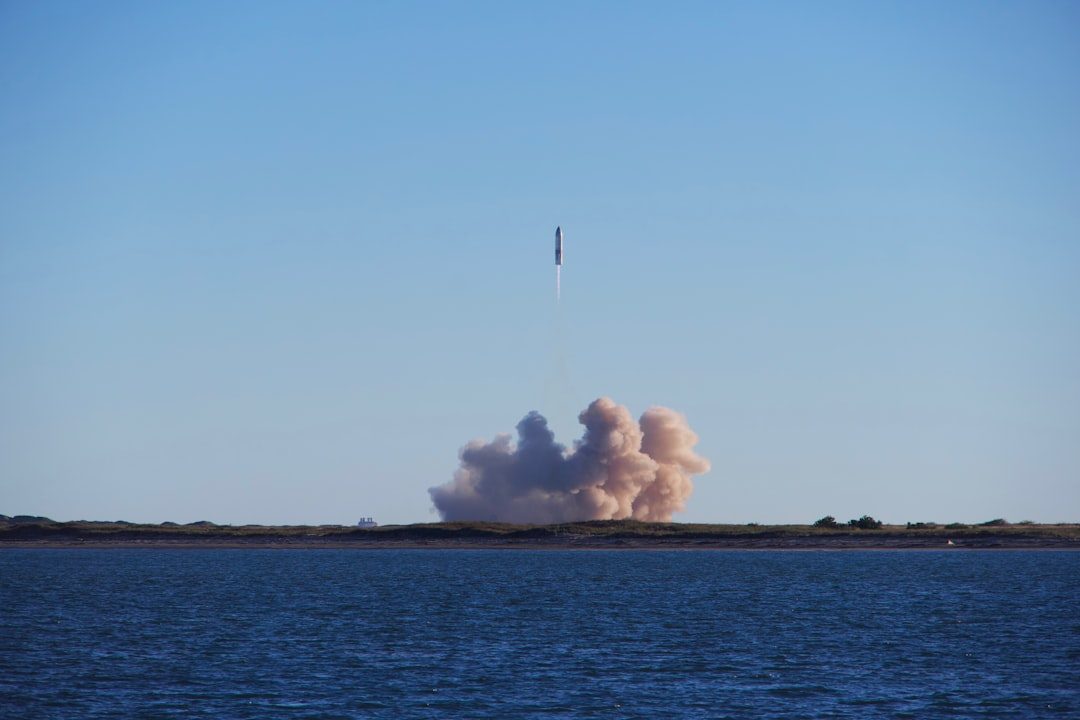
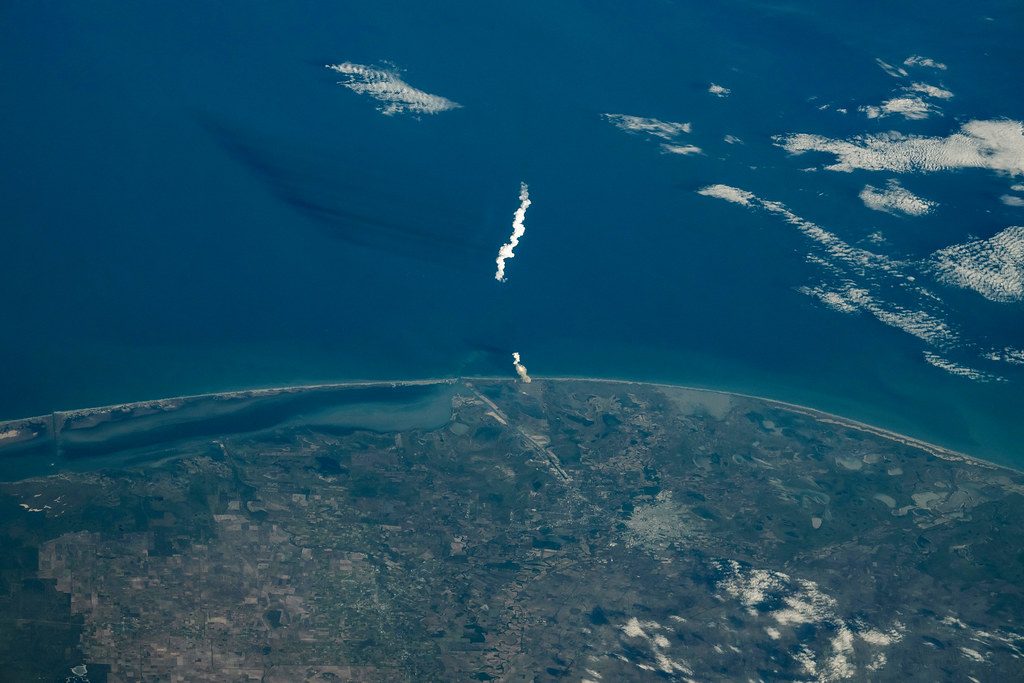
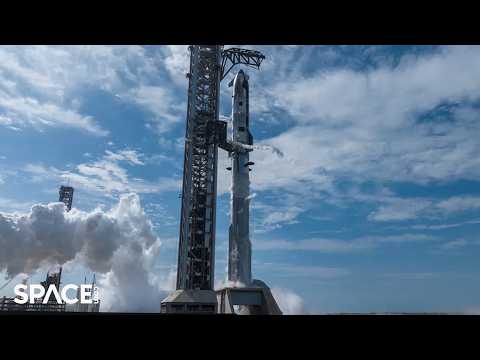
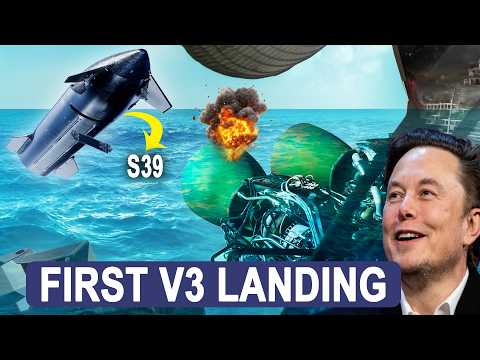
Starship completed its 13th test flight on July 24, 2026, deploying 20 Starlink V3 satellites and achieving the vehicle's first fully intact Ship splashdown in the Indian Ocean. The Super Heavy booster had a harder-than-planned water landing: only 5 of its 13 engines were firing at impact. SpaceX called the overall mission a success.
SpaceX stock (SPCX) hit an all-time low of $110.85 on July 23, then recovered slightly to $114.25 after the flight. A lockup expiration on August 6 will make 911.5 million insider shares — worth roughly $116 billion at current prices — eligible for sale for the first time. Elon Musk and a core group of insiders stay locked until mid-2027.
Why it matters
Starship is NASA's Moon rocket, and V3's booster has yet to land intact — while SpaceX shares trade below their IPO price.
Questions about this story
Free account needed to ask — your question is kept and asked for you right after sign-up. Answers are public.
No questions yet — be the first to ask.
Key Indicators
408 ft
Total stack height
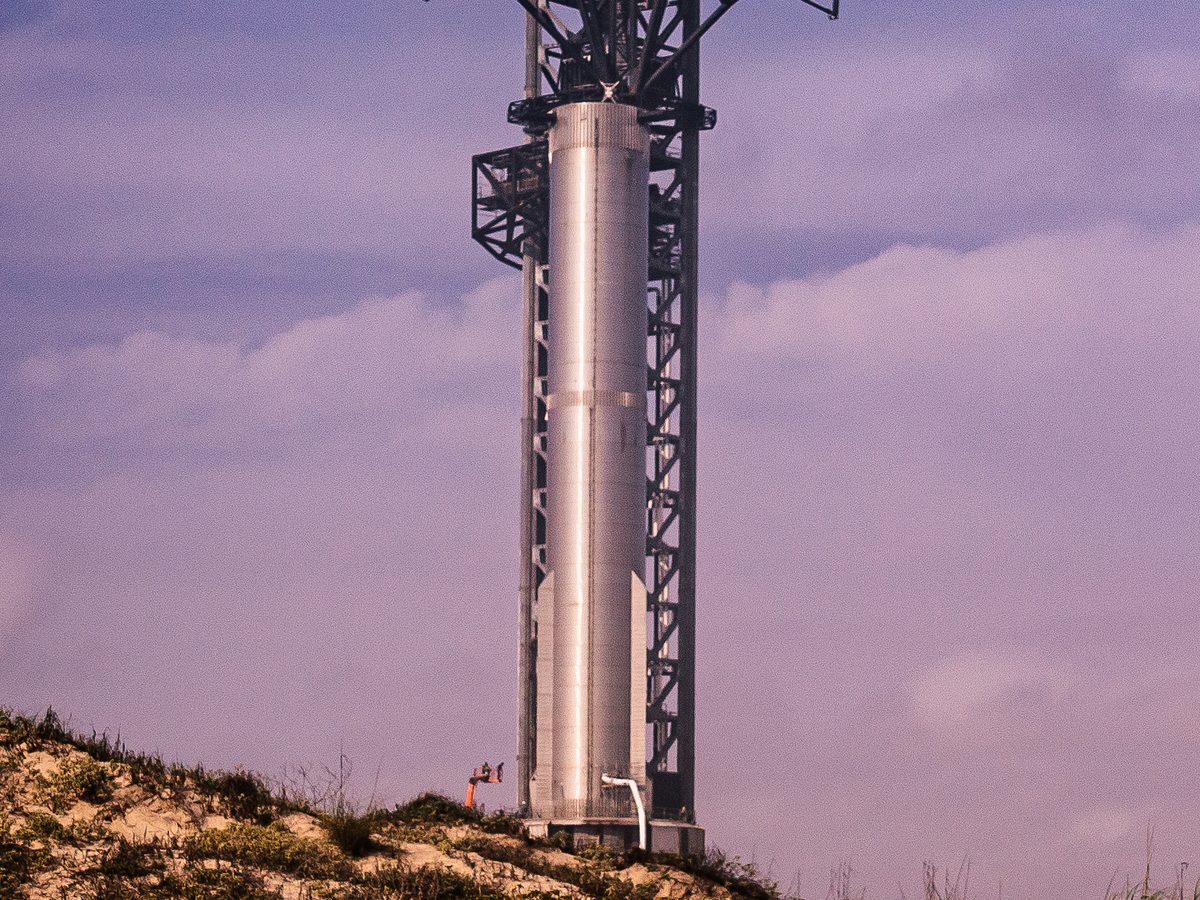
The Block 3 vehicle is the tallest rocket ever to fly.
18M lbs
Liftoff thrust
About 9% more thrust than any prior rocket, from 33 Raptor 3 engines on the booster.
$85.7B
IPO capital raised
SpaceX priced at $135 a share on June 12 — the largest IPO in U.S. history. Stock hit an all-time low of $110.85 on July 23. About 911.5 million insider shares worth ~$116B unlock August 6.
$18.7B
SpaceX 2025 revenue
Starlink drove $11.4 billion of that total. SpaceX lost $4.9 billion last year and has spent over $15 billion developing Starship.
2028
Artemis 4 lunar landing target
NASA's first crewed Moon landing of the Artemis program depends on Starship working as a lander.
20 events
Latest: July 23rd, 2026 · 2 months ago
Showing 8 of 20
JK to step
Tap a bar to jump to that date
Jump to
July 2026
SPCX hits all-time low of $110.85
LatestFinancial
SpaceX stock fell to $110.85, an all-time low, before recovering to $114.25 the following day after Flight 13 launched successfully.
Bloomberg: $116B in SpaceX insider shares set to unlock August 6
Financial
Restrictions on 911.5 million SPCX shares lift August 6, two days after SpaceX's first post-IPO earnings report. Musk and a select group of insiders remain locked until mid-2027.
SPCX falls below its $135 IPO price
Financial
SpaceX shares closed below their offering price for the first time. By July 24, SPCX was at $114.25 — about 15% below the IPO price and roughly half the all-time high of $225.60.
SPCX joins the Nasdaq-100
Financial
SpaceX entered the Nasdaq-100 index less than a month after its IPO, triggering automatic buying by index funds.
June 2026
SpaceX lists on Nasdaq as SPCX, raising $85.7 billion
Financial
Shares priced at $135 and opened at $150, closing the first day at $160.95. The raise — including underwriter overallotment — set a U.S. IPO record. The order book was more than twice oversubscribed.
May 2026
FAA grounds Starship; orders mishap investigation into Booster 19
Regulatory
The FAA classified the Booster 19 hard water impact as a mishap and required a SpaceX-led investigation before further flights. The probe focused on why multiple Raptor 3 engines failed during the boostback burn.
Starship's rescheduled V3 debut lifted off from Pad 2 on May 22. Ship 39 deployed 22 satellites and splashed down on target in the Indian Ocean. Booster 19 suffered multiple Raptor 3 engine failures during the boostback burn and hit the Gulf of Mexico at roughly 1,500 km/h.
Starship V3 lifts off on Flight 12
Test Flight
SpaceX launched the first V3 vehicle from Starbase Pad 2. The mission plan included deploying 20 Starlink simulators, relighting a Raptor in space, and splashing the booster down in the Gulf of Mexico.
Flight 12 countdown scrubbed at T-40 seconds
Scrub
A hydraulic pin on the Starbase launch tower arm failed to retract during the final countdown. Elon Musk confirmed the issue on X and said the repair would allow a second attempt the following evening.
SpaceX names Chun Wang commander of first private Starship Mars flyby
Announcement
During the Flight 12 webcast, SpaceX announced that Chun Wang—co-founder of Bitcoin mining pool F2Pool and commander of the 2025 Fram2 Crew Dragon mission—will lead the first private crewed Starship flight to Mars, a two-year flyby with no landing. No launch date was given.
SpaceX prospectus reportedly readied for filing
Financial
Bloomberg and NPR reported preparations for SpaceX's $75 billion IPO, targeting a June 12 Nasdaq listing.
SpaceX files S-1 with SEC, first public look at company finances
Financial
SpaceX registered with the SEC under proposed ticker SPCX, disclosing $18.7 billion in 2025 revenue, a $4.9 billion net loss, and more than $15 billion in cumulative Starship development spending. The filing targets a $75 billion raise at roughly $1.8 trillion valuation, with roadshow starting June 8.
First Starship V3 fully stacked at Pad 2
Pre-launch
SpaceX completed a second wet dress rehearsal with Booster 19 and Ship 39 on Starbase's new second launch pad.
Starbase construction worker dies in fall; OSHA investigation opened
Safety
Jose Luis Bautista, 25, fell eight feet from scaffolding at the Starbase facility and died of blunt-force trauma. The Occupational Safety and Health Administration opened a formal investigation; results are expected to take months.
February 2026
NASA names Artemis 4 as first crewed Moon landing
Policy
Administrator Jared Isaacman moves the crewed landing from Artemis 3 to Artemis 4 in 2028, with Artemis 3 demoted to a lander test.
March 2025
Flight 8 upper stage breaks up over Florida
Failure
The Ship lost engines and attitude control after staging, scattering debris and triggering an FAA investigation.
October 2024
SpaceX catches Super Heavy booster on the tower
Milestone
Flight 5 ended with Mechazilla catching the returning Super Heavy. The Ship landed on target in the Indian Ocean.
June 2024
Flight 4 ends with first soft splashdown
Test Flight
Booster 11 completed its profile and Ship survived reentry, performing a controlled splashdown in the Indian Ocean.
November 2023
Flight 2 demonstrates hot staging
Test Flight
All 33 booster engines fired through ascent and hot staging worked, but both stages were lost before reaching orbit.
April 2023
Flight 1 clears the pad, then breaks up
Test Flight
The first integrated Starship test reached 40 km before losing engines and self-destructing. The launch mount was destroyed.
Scenarios
1
Starship V3 hits Flight 12 milestones and IPO prices at top of range
V3 completes ascent, deploys Starlink simulators, relights a Raptor in space, and the Ship survives reentry. Confidence in the vehicle holds, NASA reaffirms Artemis 4 timing, and SpaceX prices its IPO at or above the reported $1.75 trillion valuation on June 11.
2
Flight 12 ends in vehicle loss, IPO delays or prices lower
V3 fails before completing major in-space objectives, echoing the 2025 setbacks with Block 2. SpaceX either pushes its listing past July or accepts a markdown from the $1.75 trillion target as investors discount Starship's value to the Starlink and Artemis stories.
3
NASA slips Artemis 4 past 2028
Likely
Resolves by End of 2027
Discussed by: Space.com, The Planetary Society, NASA Office of Inspector General
Even if Flight 12 succeeds, Starship still has to demonstrate orbital refueling and a crew-rated lunar landing. If V3 development or in-orbit propellant transfer slips into 2027, NASA announces a new Artemis 4 target later than 2028.
4
Blue Origin's Blue Moon overtakes Starship for Artemis 4
Repeated V3 issues push NASA to swap landers. Blue Moon MK2 advances faster than expected through Artemis 3's orbital test, and NASA names Blue Origin's vehicle as the lander for the first crewed touchdown.
5
SPCX shares recover above $135 within 90 days of touching the IPO floor
Possible
Resolves by Oct 15, 2026
Discussed by: Yahoo Finance contributors and TradingView analysts tracking SPCX post-IPO; one Yahoo Finance piece from July 2026 predicted SPCX reaching $220 by year-end
SpaceX stock fell below $135 in mid-July after a post-IPO peak of $225.60. A successful series of Starship flights — including an orbital attempt on Flight 14 — and continued Starlink V3 deployments could push the stock back above the offering price before the end of Q3.
6
Flight 14 becomes Starship's first orbital flight
Possible
Resolves by End of 2026
Discussed by: NASASpaceFlight.com, RocketLaunch.Live, and NextSpaceFlight vehicle trackers following Booster 21 and Ship 41 preparations
SpaceX has signaled that Flight 14 could be Starship's first attempt at orbital velocity rather than the suborbital arcs flown on Flights 12 and 13. Success would unlock full commercial Starlink V3 deployment and bring the vehicle one step closer to the orbital refueling NASA needs for Artemis.
7
August share unlock triggers sustained SPCX selloff below $100
Possible
Resolves by Q3 2026
Discussed by: Bloomberg, Seeking Alpha, and Investing.com analysts covering the August 6 lockup expiration
When 911.5 million shares become eligible for sale on August 6, insider selling could push SPCX further below its $135 IPO price. If Q2 earnings on August 4 disappoint, the combination could send the stock to new lows. Musk and select insiders are locked until mid-2027, limiting some of the selling pressure.
Historical Context
3 moments from history that rhyme with this story — and how they unfolded.
1 of 3
November 1967
Saturn V's first flight (November 1967)
NASA flew the 363-foot Saturn V uncrewed on Apollo 4, producing 7.6 million pounds of thrust. The all-up test approach put a working third stage and command module on the first launch, against the advice of many engineers.
Then
The flight worked. NASA cleared Saturn V for crewed flight in under a year.
Now
Saturn V flew 13 times without losing a crew and landed astronauts on the Moon six times. The rocket retired in 1973 with no failures.
Why this matters now
Saturn V is the closest historical analog for what Starship V3 is trying to do: a fully integrated heavy-lift vehicle tested against a Moon-landing deadline. Starship's fail-and-fly approach is the philosophical opposite of Saturn V's all-up perfection.
2 of 3
January 1986
Space Shuttle Challenger (January 1986)
Challenger broke apart 73 seconds after launch, killing seven astronauts. An O-ring in a solid rocket booster failed in cold weather, after engineers had warned of the risk the night before.
Then
NASA grounded the Shuttle for 32 months. Schedule pressure and risk acceptance came under congressional scrutiny.
Now
The Shuttle never flew its planned cadence again and retired in 2011. The U.S. lost crewed launch capability until SpaceX's Crew Dragon flew in 2020.
Why this matters now
Challenger is the warning attached to any program that mixes commercial pressure, government schedule commitments, and aggressive flight cadence. Starship will eventually carry humans for NASA, and the IPO timeline adds a financial driver that did not exist for Shuttle.
3 of 3
February 2018
Falcon Heavy demonstration (February 2018)
SpaceX flew Falcon Heavy for the first time, sending Elon Musk's Tesla Roadster toward Mars orbit. Two side boosters landed back at Cape Canaveral simultaneously; the center core missed its drone ship.
Then
Falcon Heavy won U.S. Space Force and commercial contracts within months.
Now
The rocket has flown more than a dozen times with no losses and remains the second-most-powerful operational launcher. It validated SpaceX's iterative test approach to federal customers.
Why this matters now
Falcon Heavy showed that SpaceX could move from one rocket to a heavy-lift architecture in a single test campaign. Starship is the same playbook scaled by roughly a factor of three in thrust.