

Pull to refresh
Logo
SpaceX splits its launch coasts: Starlink west, Starship east

SpaceX splits its launch coasts: Starlink west, Starship east

Built World

Vandenberg tops 50 launches and sets a coast-to-coast turnaround record as Florida's Starship pad nears its debut

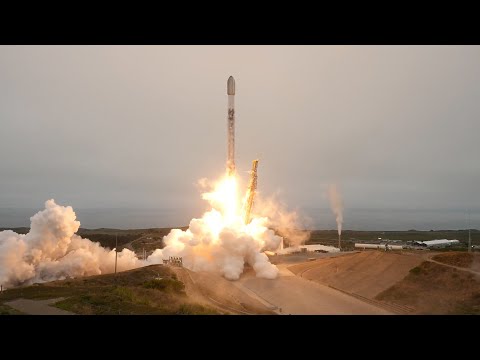
August 11th, 2026: 51st West Coast launch of 2026

Overview

Updated Aug 16

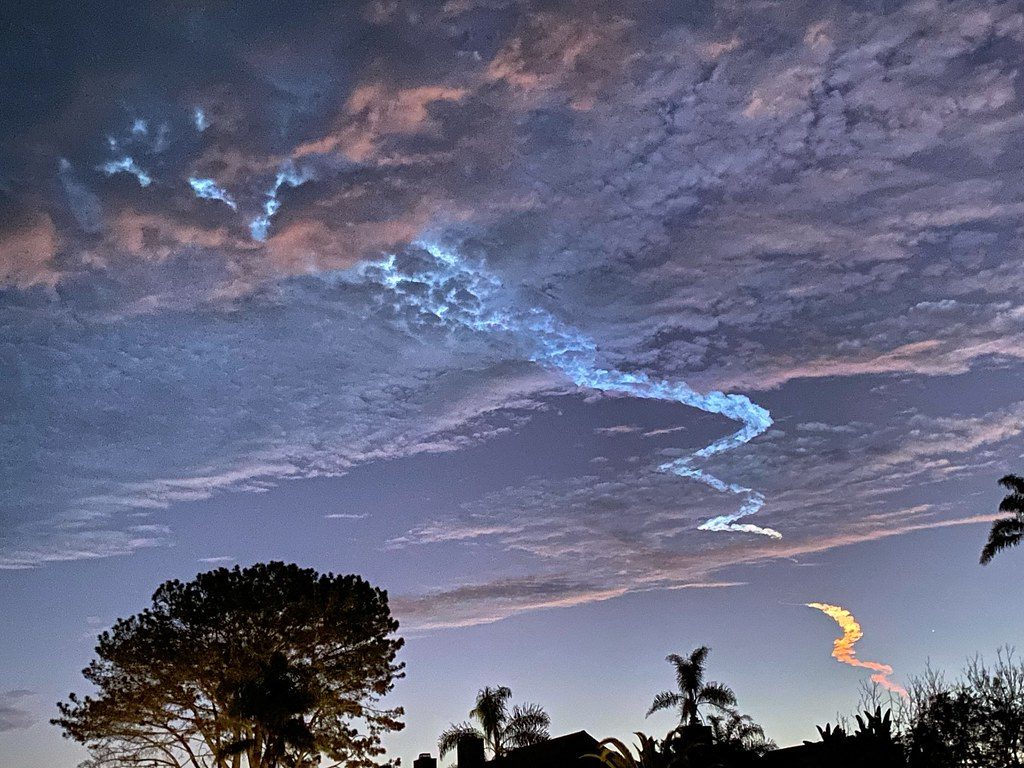
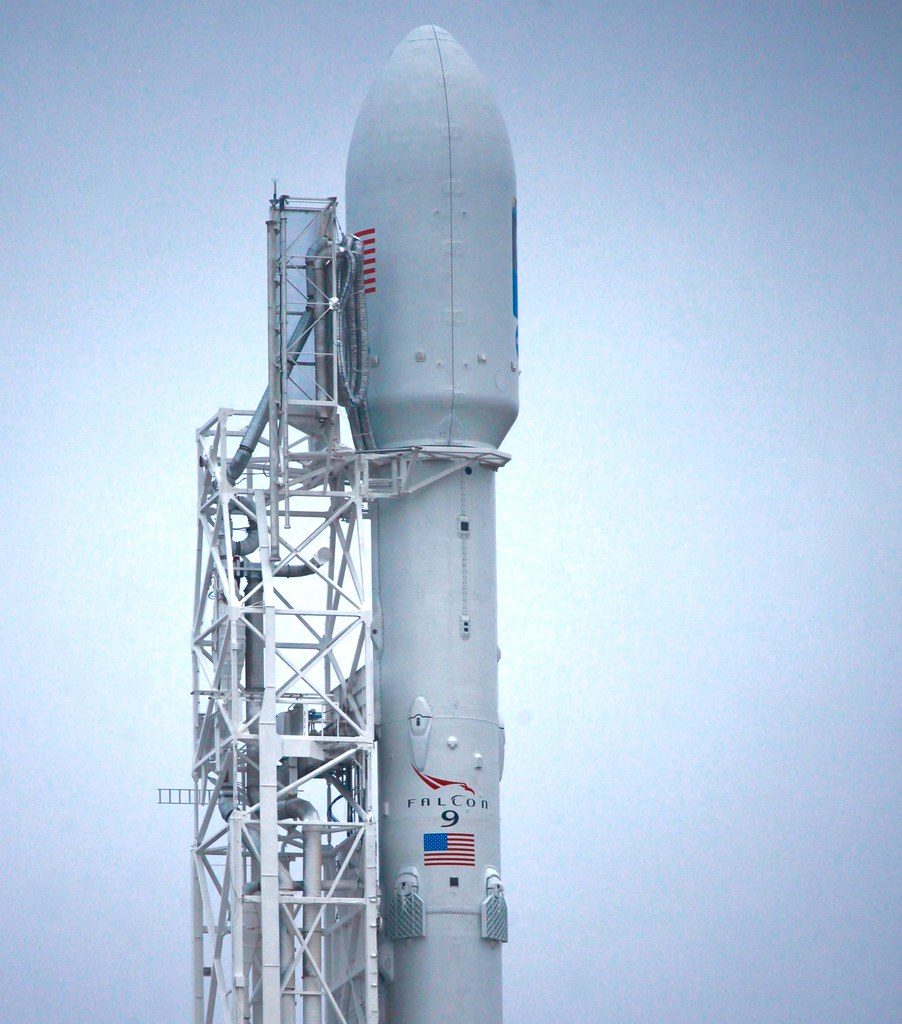
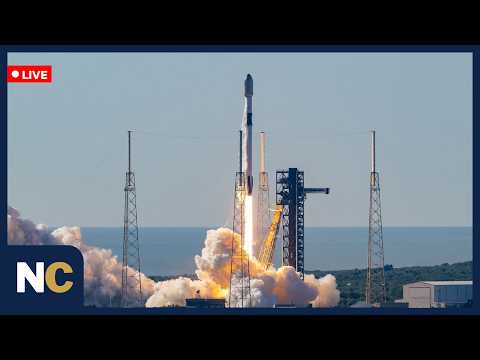
SpaceX broke its own turnaround record on August 15, launching two Falcon 9 rockets 38 minutes apart from Florida and California. One carried Globalstar satellites from Cape Canaveral; the other flew a classified Space Force mission from Vandenberg, capping a stretch that included the year's 51st West Coast launch and 94th Falcon 9 flight overall.

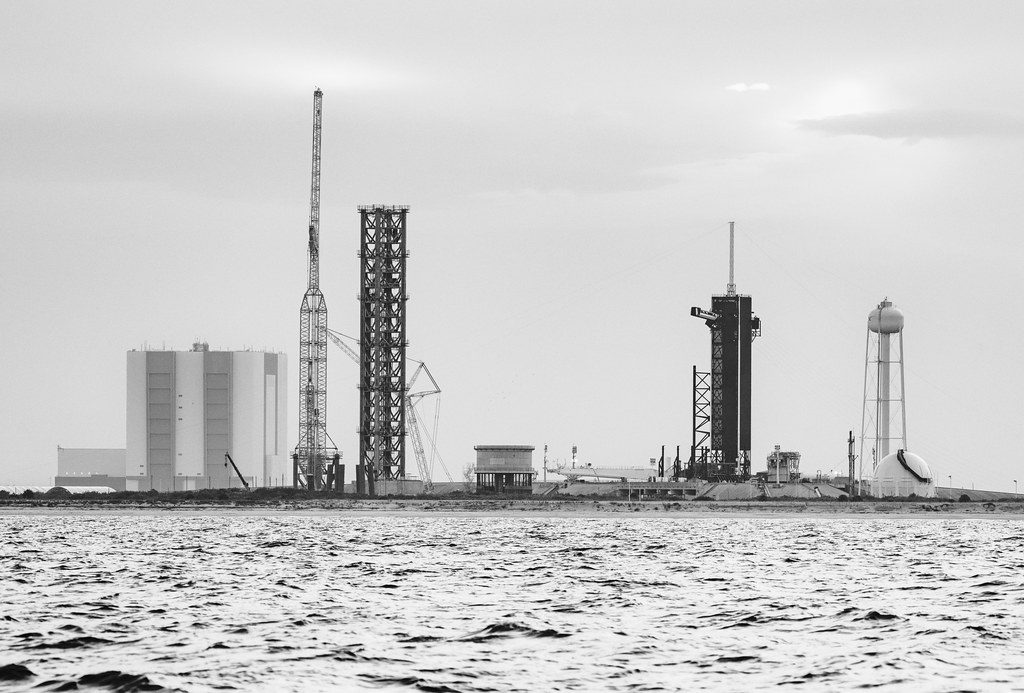
Florida is still catching up on the Starship side. Kennedy Space Center's new assembly building, the Gigabay, stands 380 feet tall and should finish this month, and regulators have cleared up to 44 Starship launches a year from the pad next door. SpaceX still hopes to launch Starship from Florida this year.

Why it matters

SpaceX now launches roughly every three days, cutting the cost of putting internet, cargo, and crew into orbit for everyone who buys a ride.

Questions about this story

Free account needed to ask — your question is kept and asked for you right after sign-up. Answers are public.

No questions yet — be the first to ask.

Key Indicators

51
West Coast launches in 2026
Reached August 11 with more than four months left in the year.
94
Falcon 9 flights in 2026
Passed 90 by mid-August; still on pace to clear 150 for the year.
100
Vandenberg's yearly launch cap
SpaceX's Falcon flights from Vandenberg are capped at 100 a year; it passed the halfway mark by mid-August.
38
Minutes between coast-to-coast launches
New company record set August 15, beating the old 65-minute mark from August 2024.
16
Flights by booster B1093
The first stage on the August 8 mission landed on a Pacific droneship for a 16th time.
36
Flights by fleet-leading booster
B1067 set a reuse record in July, three flights shy of Space Shuttle Discovery.
10–16
Tanker flights per lunar refueling
Each Artemis Moon trip needs Starship refueled in orbit by a string of tanker launches.

Voices

Curated perspectives — historical figures and your fellow readers.

Ever wondered what historical figures would say about today's headlines?

Sign up to generate historical perspectives on this story.

People Involved

Organizations Involved

Timeline

April 2026 August 2026

5 events Latest: August 11th, 2026 · 1 month ago
Tap a bar to jump to that date
  1. 51st West Coast launch of 2026

    Latest Milestone

    The Starlink 17-49 mission from Vandenberg deployed 24 satellites, SpaceX's 51st West Coast launch and 94th Falcon 9 flight of the year, part of a same-day bicoastal pairing that added 53 satellites total.

  2. 50th West Coast launch of 2026

    Milestone

    The Starlink 17-38 mission from Vandenberg deployed 24 satellites; booster B1093 landed on a Pacific droneship for a 16th flight.

  3. Booster sets 36-flight reuse record

    Record

    Falcon 9 first stage B1067 flew a record 36th time from Florida, three flights behind Space Shuttle Discovery's 39.

  4. 50th dedicated Starlink mission of 2026

    Milestone

    The Starlink 17-41 mission added 24 more broadband satellites, showing how much of the cadence Starlink drives.

  5. SpaceX passes 50 Falcon 9 launches for the year

    Milestone

    A Vandenberg mission carrying 25 Starlink satellites marked the company's 50th Falcon 9 flight of 2026.

Scenarios

1

SpaceX clears 150 Falcon launches in 2026

Likely Resolves by End of 2026

Discussed by: Spaceflight Now launch logs; New Space Economy cadence analysis

SpaceX passed 80 Falcon 9 launches before mid-2026 and analysts put the theoretical ceiling near 155 to 165 across its three pads. If Vandenberg keeps its Starlink pace and Florida avoids long stand-downs, the year-end total tops 150. A grounding after any failure is the main thing that could stop it.

2

A Falcon 9 booster passes the Space Shuttle's flight record

Possible Resolves by End of 2026

Discussed by: AIAA; RealClearScience booster-reuse coverage

Fleet leader B1067 reached 36 flights in July 2026, three short of Space Shuttle Discovery's 39 missions. With turnaround as short as a few weeks, a single booster could reach a 40th flight before year-end. Any loss of that specific booster on landing would reset the countdown.

3

Starship demonstrates in-orbit propellant transfer

Uncertain Resolves by Q2 2027

Discussed by: NASA Artemis program updates; Space.com Artemis coverage

Refueling Starship in orbit is the hard step between the current test flights and a crewed Moon landing. NASA needs 10 to 16 tanker flights per lunar mission, which is why Florida is being cleared for Starship. A full ship-to-ship propellant transfer test would show the plan is on track. Schedule slips have repeatedly pushed such demonstrations later.

4

Starship makes its first flight from Florida in 2026

Uncertain Resolves by End of 2026

Discussed by: U.S. Space Force; Kennedy Space Center construction reporting

Regulators have cleared up to 44 Starship launches a year from Kennedy Space Center's Launch Complex 39A, and the Gigabay assembly building there is due to finish this month. SpaceX aims to fly Starship from Florida before the end of 2026, though it has slipped this target before while working through test flights in Texas.

Historical Context

3 moments from history that rhyme with this story — and how they unfolded.

1984–2011

Space Shuttle Discovery's reuse record (1984–2011)

Discovery flew 39 missions over 27 years, the most of any orbiter, carrying satellites, the Hubble telescope, and station crews. Each flight still needed months of refurbishment between launches.

Then

Discovery became NASA's most-flown vehicle before retiring in 2011.

Now

Its 39-flight mark stood as the reuse benchmark that Falcon 9 boosters are now closing on.

Why this matters now

SpaceX's fleet leader is three flights away from that record, with turnaround measured in weeks, not months.

1985–1986

Space Shuttle peak cadence and Challenger (1985–1986)

NASA flew nine Space Shuttle missions in 1985, its busiest year, and marketed the shuttle as a routine, reusable ride to orbit. In January 1986, Challenger broke apart 73 seconds after liftoff, killing all seven aboard and grounding the fleet for nearly three years.

Then

Shuttle flights stopped while NASA redesigned hardware and safety reviews.

Now

The promised airline-like cadence never returned; the shuttle stayed costly and slow to turn around.

Why this matters now

It shows how fast a high launch rate can stall after one failure, the main risk to SpaceX's 2026 pace.

2023

SpaceX breaks the global annual launch record (2023)

SpaceX flew 96 Falcon-family missions in 2023, made up of 91 Falcon 9 and five Falcon Heavy flights. That beat the previous single-nation annual record of 64 launches.

Then

SpaceX became the source of most payloads reaching orbit that year.

Now

The 2023 jump set up the even higher pace seen in 2026, driven by reused boosters.

Why this matters now

The 2026 coast split is the next step in the same climb, spreading the workload across pads to push cadence higher.

Sources

(11)