

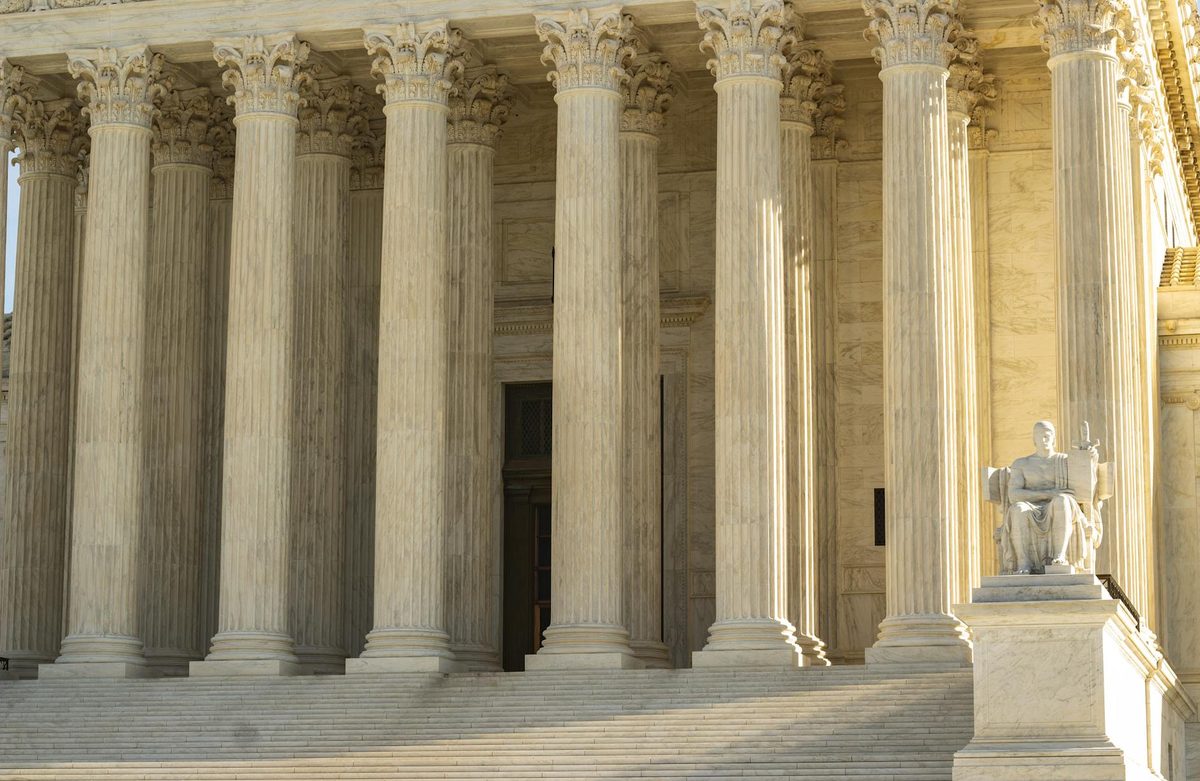

Congress passed the Video Privacy Protection Act in 1988 after a reporter published Supreme Court nominee Robert Bork's video rental history. Thirty-eight years later, the law has become the basis for hundreds of class action lawsuits against media companies using tracking pixels on their websites—and the Supreme Court just agreed to decide who can sue under it.
The case turns on a single word: 'consumer.' The Second and Seventh Circuits say anyone who signs up for any service from a company that also offers video content qualifies. The Sixth Circuit says only people who subscribe specifically to video content count. With statutory damages of $2,500 per violation and thousands of pending lawsuits, the answer could mean billions in liability—or the end of an entire category of privacy litigation.