
Cancer stem cell theory (1990s–2000s)
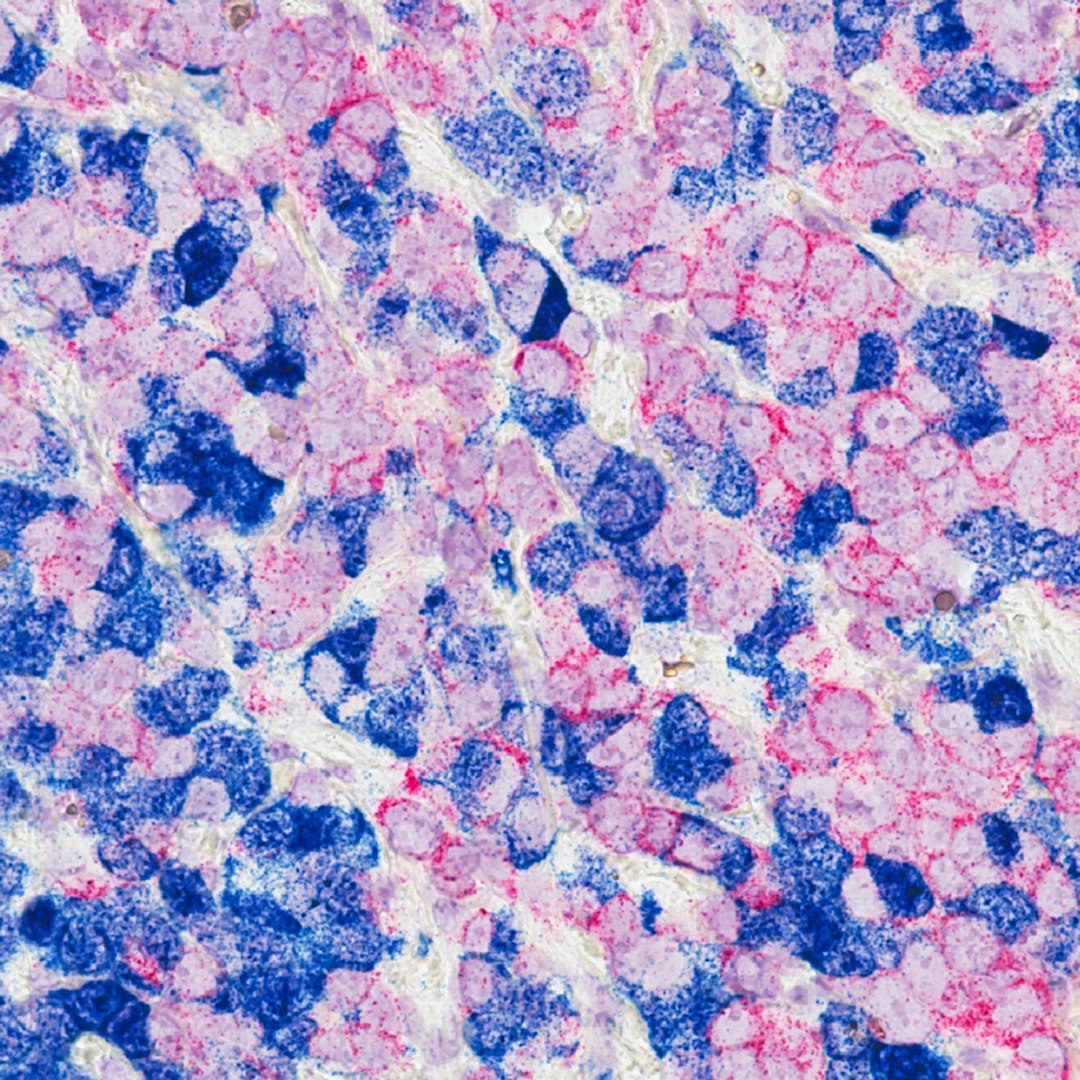
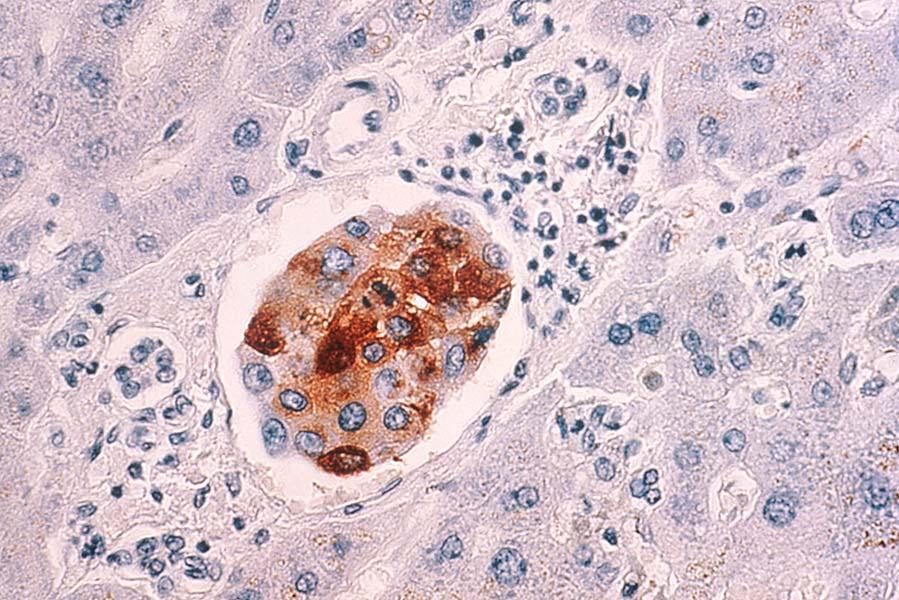
Researchers identified a small population of cancer cells within tumors that resist treatment and drive tumor regrowth. John Dick's group at the University of Toronto showed acute myeloid leukemia is organized hierarchically, with a rare subset of cells capable of initiating and maintaining the disease.
The discovery shifted cancer research toward studying tumor heterogeneity and rare resistant cell populations. It also sparked controversy over whether solid tumors follow the same hierarchy as blood cancers.
Cancer stem cell research led to the concept of minimal residual disease, the idea that a few surviving cells after treatment explain relapse. The field eventually recognized that many cancer cells can acquire stem-like properties dynamically, rather than only a fixed stem cell population existing permanently.
The dormant cell map builds on this foundation by locating where treatment-resistant cells physically reside and identifying the support cells that protect them. Unlike stem cell theory, which focused on cell-intrinsic properties, this work emphasizes the tumor microenvironment's role in preserving resistant populations.