
Pull to refresh
Logo
San Francisco and states sue Toast over subscription fees and cancellation

San Francisco and states sue Toast over subscription fees and cancellation

Rule Changes San Francisco, CA local

The FTC, California and seven states filed suit in federal court on Oct. 29, 2026. Toast denies the claims and says a federal subscription law does not cover business contracts.

Overview

Updated 2 days ago

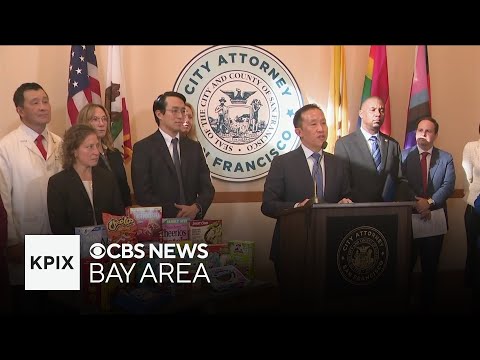
The Federal Trade Commission, California and seven states sued Toast on Oct. 29, 2026, alleging hidden fees, add-ons restaurants did not order, and subscriptions that are hard to cancel. California's claims were filed by Los Angeles County Counsel and San Francisco City Attorney David Chiu.

Toast denies the allegations. The company says it cooperated with the FTC's review from mid-2025 and argues the Restore Online Shoppers' Confidence Act, the federal subscription law behind part of the case, does not apply to contracts negotiated between businesses. The case is in the U.S. District Court for the Northern District of California.

Why it matters

If the FTC wins, restaurant software contracts could face limits on cancellation fees and automatic renewals.

Last Monday's email for San Francisco, CA

Sent Nov 9. It carried:

Get next Monday's: one short email a week. Free. Unsubscribe in one click.

Questions about this story

Free account needed to ask — your question is kept and asked for you right after sign-up. Answers are public.

No questions yet — be the first to ask.

Key Indicators

156,000+
Toast customers
Compliance Week reported Toast had more than this many customers at the time of the lawsuit.
$150
Early cancellation penalty per remaining month
The lawsuit alleges restaurants can face this charge for each month left on a contract.
$85
Monthly payment-processing charge for closed restaurants
The complaint says temporarily closed restaurants are still billed this amount.
99 cents
Alleged online-order fee
The lawsuit says Toast charged this on certain online orders over $10 from September 2021 to July 2023.
$5,318.87
Early termination fee cited in complaint
One restaurant owner was charged this after canceling a four-year subscription, according to the lawsuit.
120 days
Deadline to begin processing payments
The complaint says customers who miss this deadline must return hardware or pay full retail price.
30 days
Written notice required before nonrenewal
The lawsuit alleges this requirement is not clearly explained when restaurants sign up.
7
States joining the lawsuit
Colorado, Florida, Illinois, Iowa, Nebraska, Oklahoma and Utah joined the FTC; California's claims came through Los Angeles County Counsel and San Francisco's city attorney.

Voices

Curated perspectives — historical figures and your fellow readers.

Sign up to generate historical perspectives on this story.

People Involved

Organizations Involved

Timeline

October 2026 November 2026

2 events Latest: November 3rd, 2026 · 1 week ago

Scenarios

1

Toast settles and agrees to change cancellation practices

Possible Resolves by Nov 2, 2027

Discussed by: Based on the complaint's requested relief

The plaintiffs and Toast reach a settlement before trial. The deal includes a monetary payment and changes to how Toast discloses fees, enrolls restaurants, and handles cancellations.

2

Court dismisses the lawsuit before trial

Uncertain Resolves by Jun 1, 2027

Discussed by: Based on the standard motion-to-dismiss stage

Toast files a motion to dismiss. The court agrees that the complaint fails to state a claim and dismisses all claims before discovery or trial.

3

Court orders Toast to stop alleged practices while case proceeds

Possible Resolves by May 1, 2027

Discussed by: Based on the complaint's request for injunctive relief

The plaintiffs seek a preliminary injunction. The court orders Toast to halt the alleged undisclosed fees or cancellation penalties while the lawsuit continues.

Historical Context

2 moments from history that rhyme with this story — and how they unfolded.

June 2023

FTC v. Amazon Prime (2023)

The Federal Trade Commission sued Amazon, alleging the company used deceptive design to enroll consumers in Prime and made cancellation difficult. Amazon disputed the claims.

Then

The case put subscription sign-up and cancellation practices under federal scrutiny.

Now

It became a reference point for later enforcement against negative-option marketing.

Why this matters now

The Toast lawsuit makes similar allegations about auto-renewing subscriptions and cancellation obstacles.

2022

FTC v. Vonage (2022)

The Federal Trade Commission alleged Vonage trapped consumers in subscriptions, hid fees, and made cancellation hard. Vonage agreed to pay $100 million to settle.

Then

The settlement required changes to how Vonage disclosed and canceled services.

Now

It showed that cancellation obstacles can carry nine-figure penalties.

Why this matters now

Toast faces similar claims over cancellation penalties and undisclosed charges.

Sources

(5)