

Pull to refresh
Logo
WorkWhile agrees to reclassify gig workers as employees in San Francisco settlement

WorkWhile agrees to reclassify gig workers as employees in San Francisco settlement

Rule Changes San Francisco, CA local

Two-year lawsuit ends with $7.2 million in worker payments and a 2027 reclassification deadline

Overview

Updated Oct 21

San Francisco's city attorney closed a two-year lawsuit against gig staffing firm WorkWhile with a $2.3 million settlement announced October 20. The company must reclassify all its California workers as employees by January 1, 2027, and pay $7.2 million in restitution to workers by 2029. Add $600,000 in penalties and the case totals $7.8 million.

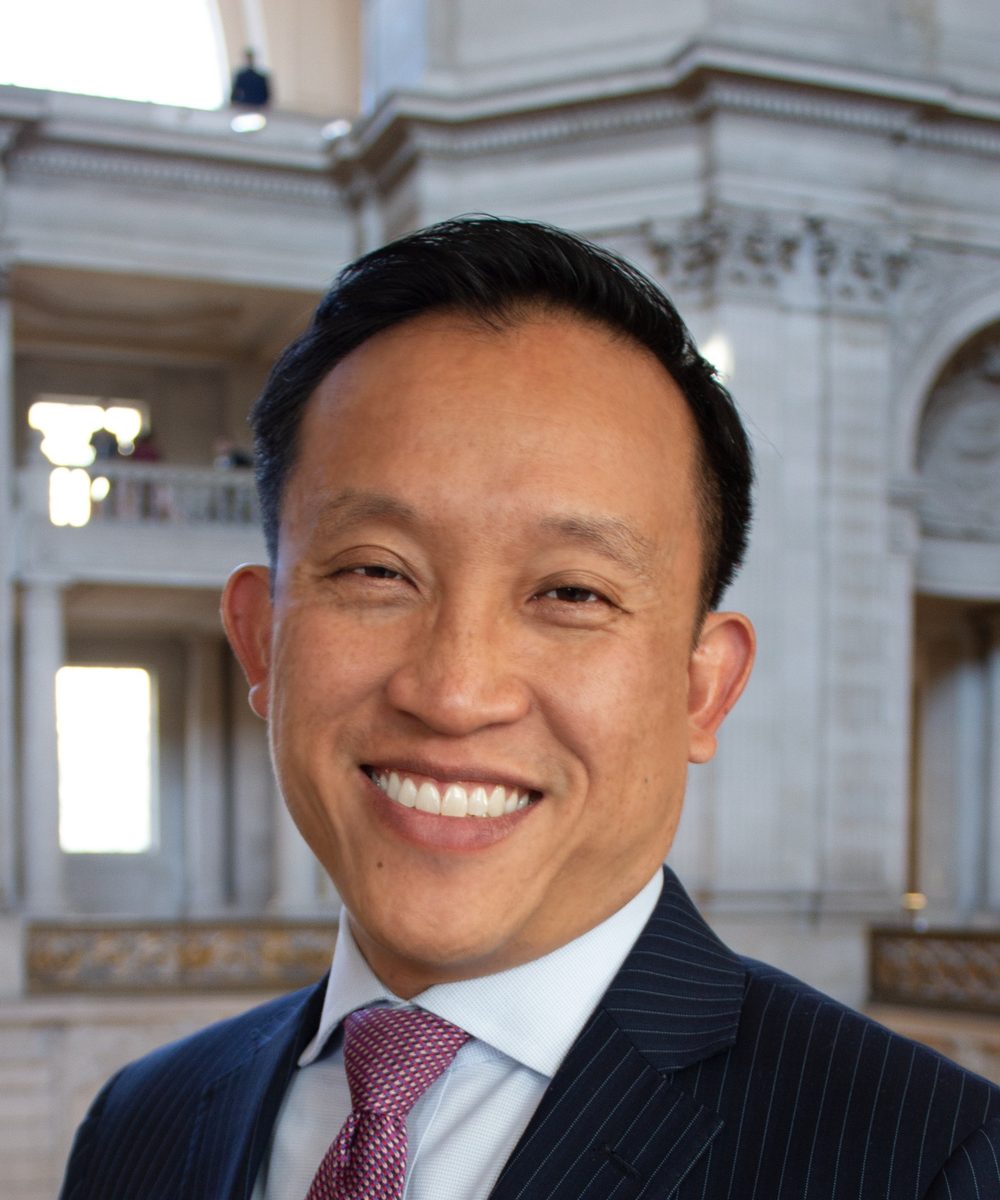
The deal is the latest in City Attorney David Chiu's enforcement against gig companies that treat workers as independent contractors. WorkWhile says the settlement covers California delivery drivers and that it will keep defending Proposition 22, the 2020 law that lets app-based drivers stay contractors.

Why it matters

If the reclassification holds, gig staffing firms in California face a new baseline: shift workers get employee benefits, not contractor status.

Last Monday's email for San Francisco, CA

Sent Nov 9. It carried:

Get next Monday's: one short email a week. Free. Unsubscribe in one click.

Questions about this story

Free account needed to ask — your question is kept and asked for you right after sign-up. Answers are public.

No questions yet — be the first to ask.

Key Indicators

$7.2M
Cumulative payments to workers by 2029
Restitution to workers across three settlements. Penalties bring the case total to $7.8 million.
$2.3M
Final settlement announced October 2026
$2.1 million in restitution to drivers plus $200,000 in penalties to the city.
Jan 1, 2027
Deadline to reclassify all workers as employees
WorkWhile must give workers paid breaks, sick pay, and safety protections.
3
Separate settlements in the case
December 2024 non-driver workers, January 2026 delivery drivers, October 2026 remaining drivers.

Voices

Curated perspectives — historical figures and your fellow readers.

Sign up to generate historical perspectives on this story.

People Involved

Organizations Involved

Timeline

November 2020 January 2027

6 events Latest: October 20th, 2026 · 3 weeks ago
Tap a bar to jump to that date
  1. Reclassification deadline

    Upcoming Compliance

    WorkWhile must classify all California workers as employees with benefits like paid breaks and sick pay.

  2. California voters pass Proposition 22

    Referendum

    Voters approve a ballot measure allowing app-based drivers to remain independent contractors.

Scenarios

1

WorkWhile reclassifies workers, becomes employee-based model

Likely Resolves by Feb 1, 2027

Discussed by: San Francisco City Attorney's Office; WorkWhile's settlement terms

WorkWhile meets the January 1, 2027 deadline, classifying all California workers as employees with benefits. The company continues operating but with a higher cost structure, potentially passing costs to client businesses that use its platform.

2

WorkWhile challenges reclassification under Prop 22

Possible Resolves by Jun 1, 2027

Discussed by: WorkWhile, which reaffirmed its commitment to Proposition 22 in its settlement statement

WorkWhile argues the reclassification requirement conflicts with Proposition 22, which allows app-based drivers to be independent contractors. The company files a legal challenge, potentially extending the fight over its delivery drivers beyond the settlement.

3

Chiu expands enforcement to other gig staffing firms

Likely Resolves by Oct 20, 2027

Discussed by: City Attorney's Office, which has already settled with Lyft and GigSmart

The WorkWhile settlement becomes a template. Chiu's Worker Protection Team targets other gig staffing companies using similar contractor models, seeking restitution and reclassification. The office's track record suggests this pattern will continue.

Historical Context

2 moments from history that rhyme with this story — and how they unfolded.

April 2018

Dynamex v. Superior Court (2018)

California's Supreme Court ruled that workers are employees unless they pass a three-part 'ABC test,' making it harder for companies to classify workers as independent contractors. The case involved Dynamex, a same-day delivery company.

Then

The ruling upended contractor models across California industries.

Now

It led to Assembly Bill 5 in 2019, codifying the ABC test into state law.

Why this matters now

The ABC test is the legal standard San Francisco used to argue WorkWhile's workers were employees, not contractors.

November 2020

Proposition 22 (2020)

Uber, Lyft, and DoorDash spent a record $200 million on a ballot measure to exempt app-based drivers from AB5. Voters passed it 58% to 42%.

Then

App-based drivers remained independent contractors with some benefits.

Now

The California Supreme Court confirmed Prop 22 as settled law after legal challenges, but its application to gig staffing firms remains disputed.

Why this matters now

WorkWhile cites Prop 22 to defend its classification of delivery drivers; the city argues the law doesn't cover all of the company's workers.

Sources

(4)